Artistic production – on our own or in cooperations – already is a tradition for the IKMW. Through the predecessor institute it possesses longstanding expertise especially in exhibitions, but also in the realm of interdisciplinary projects in the area of cultural and urban development. This experience and knowledge will now also be brought to bear in international cooperations.
The large exhibition projects include “Mythos documenta” in the CAFA Art Museum in Beijing (2017), “Arnold Bode and his Hears” in the New Gallery of Art in Shanghai (2018) as well and exhibitions and conferences in the programme “Budapest x Berlin”. In 2021 the exhibition “Joseph Beuys and the documenta”, conceived in cooperation with the Zeppelin University Friedrichshafen and the documenta Archive, was shown in the residence of the German embassy in Beijing.
“Suspended Self” Final exhibition of the Gen Z trilogy in Budapest
The final stop on the journey into the inner world of China’s Gen Z
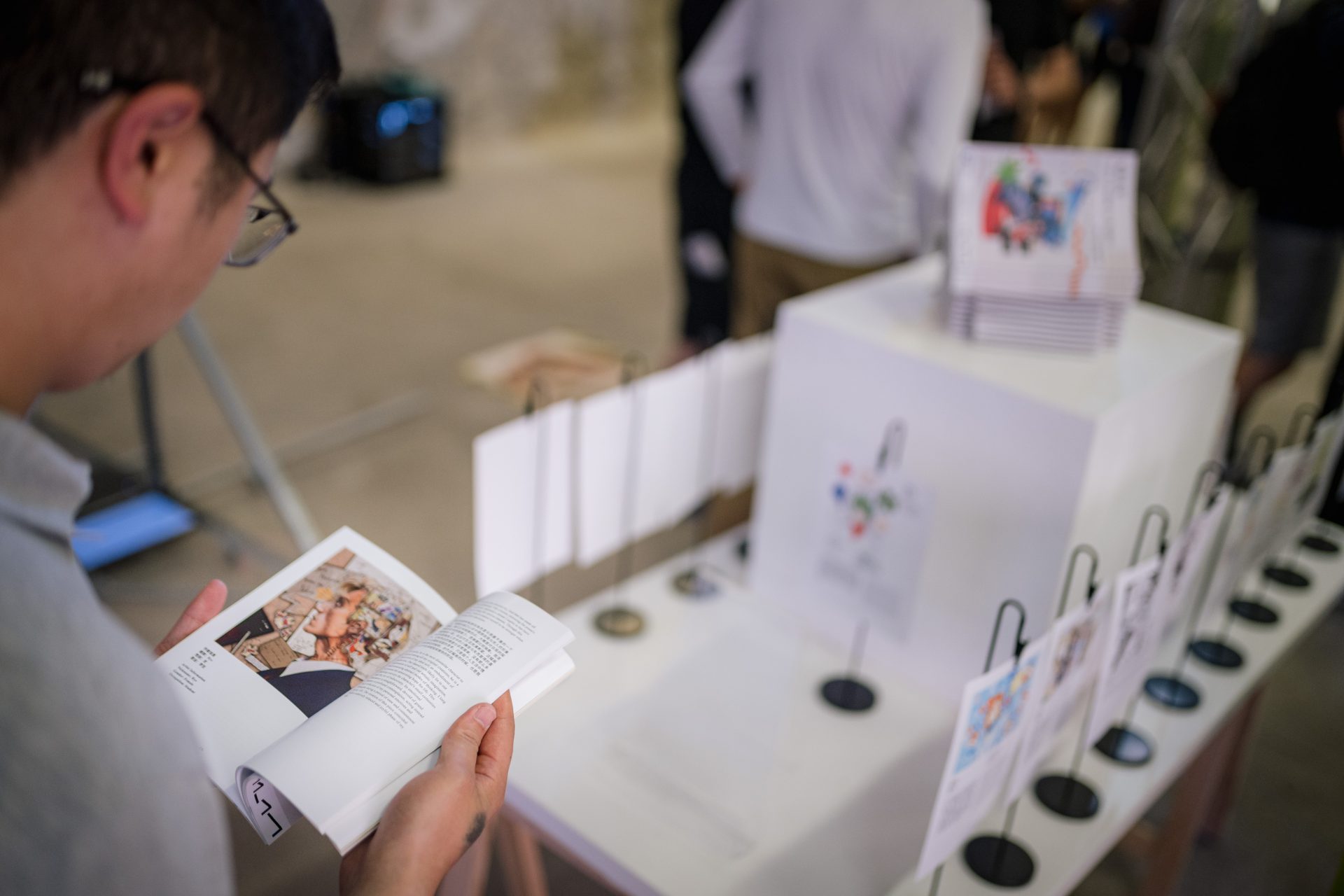
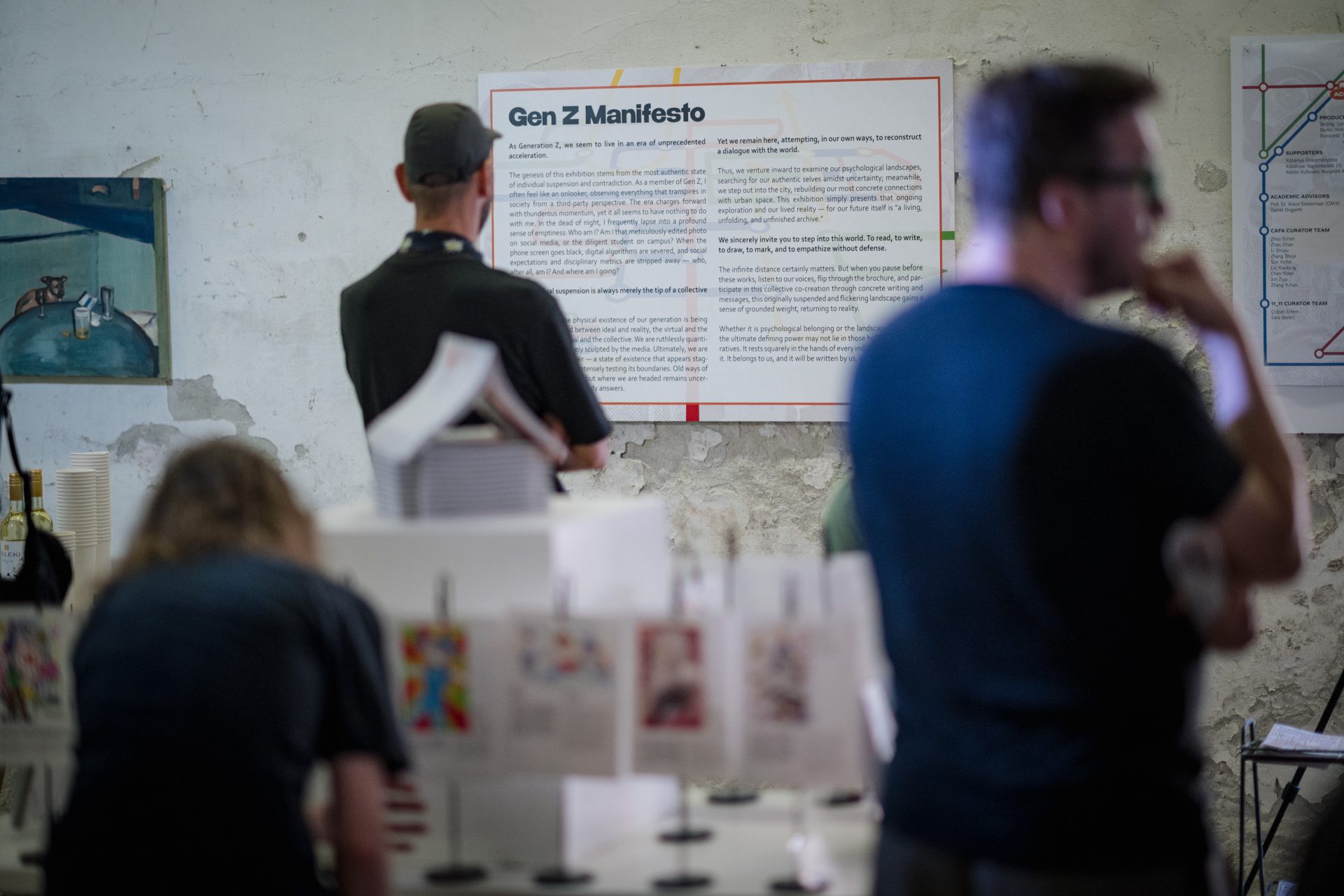
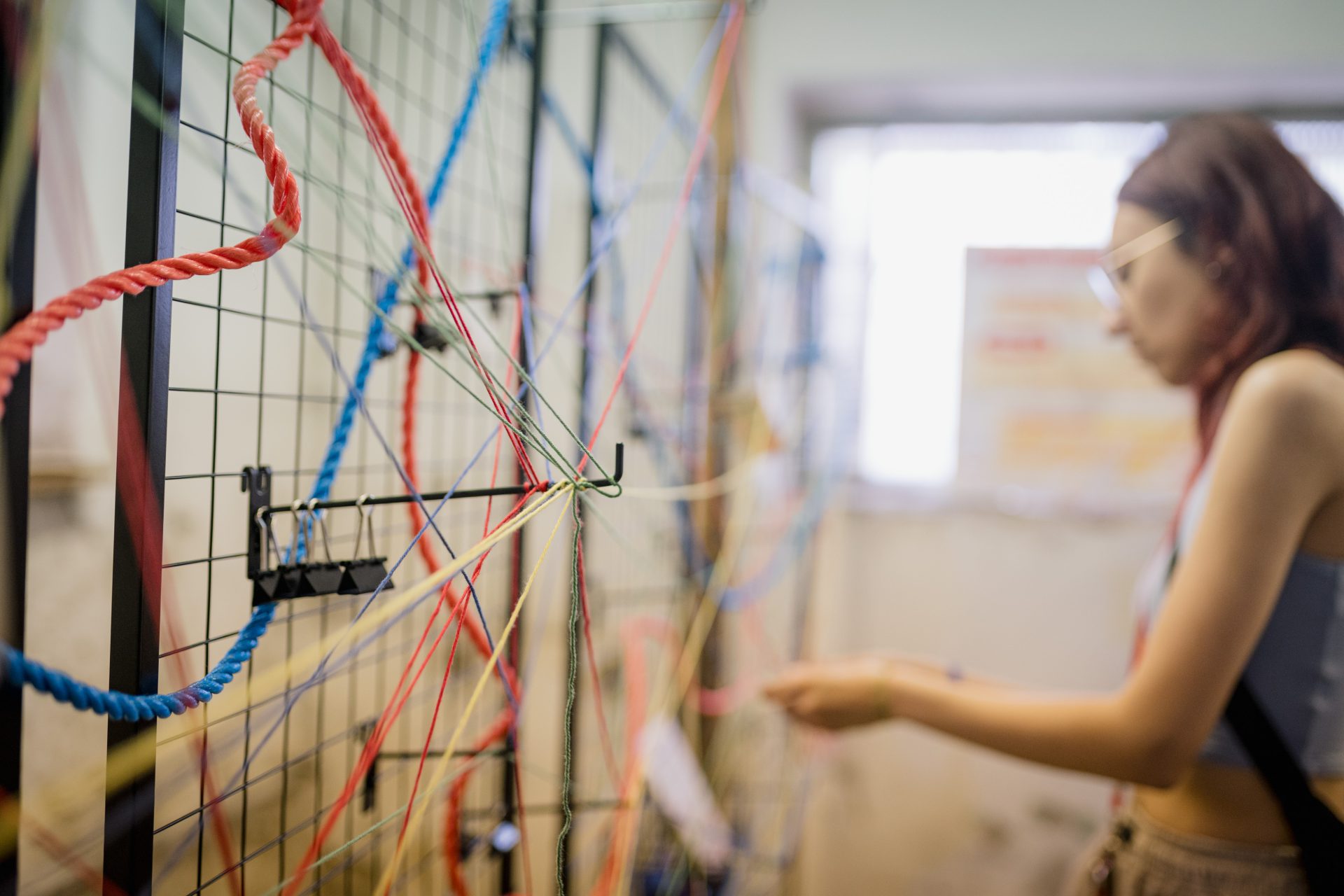
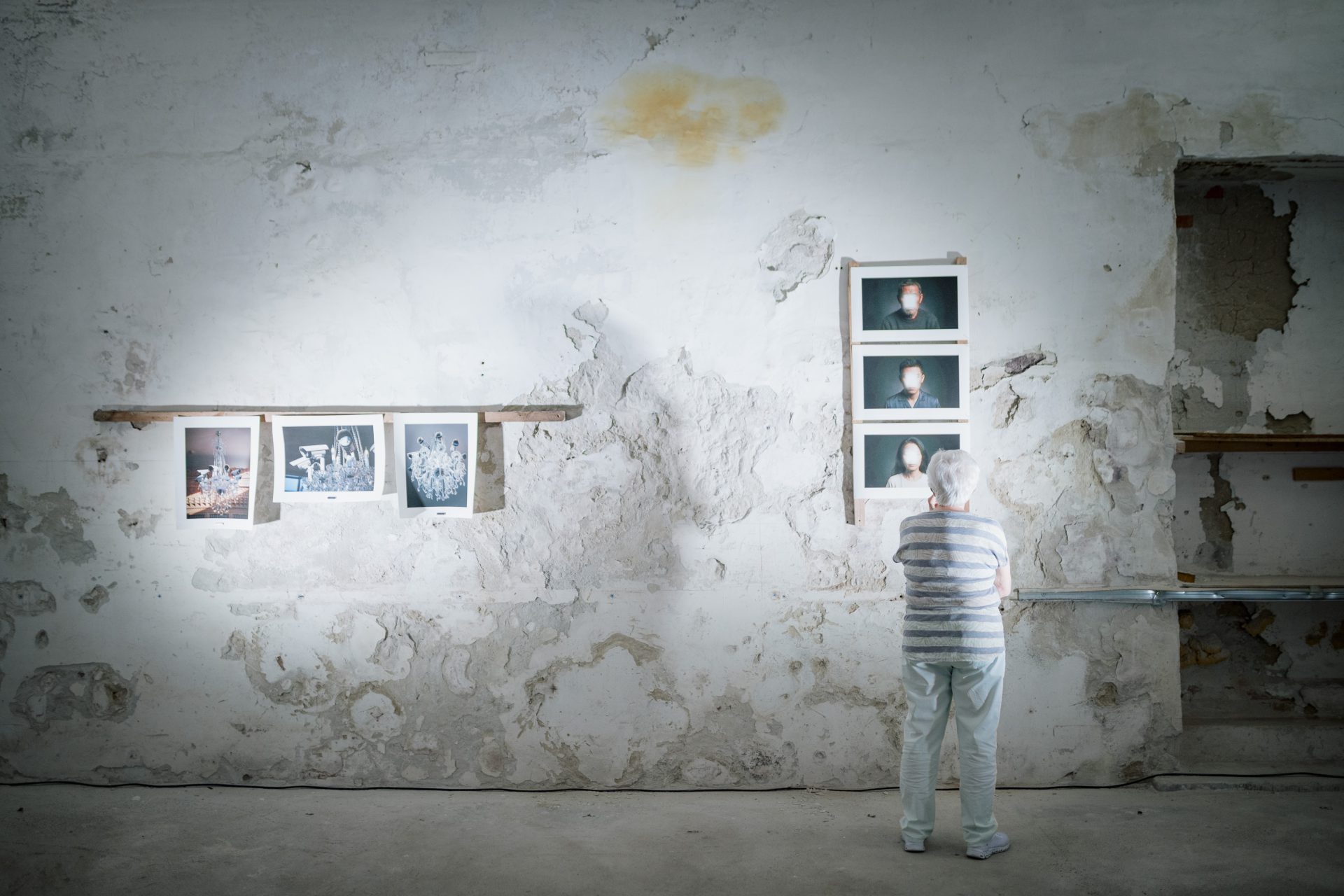
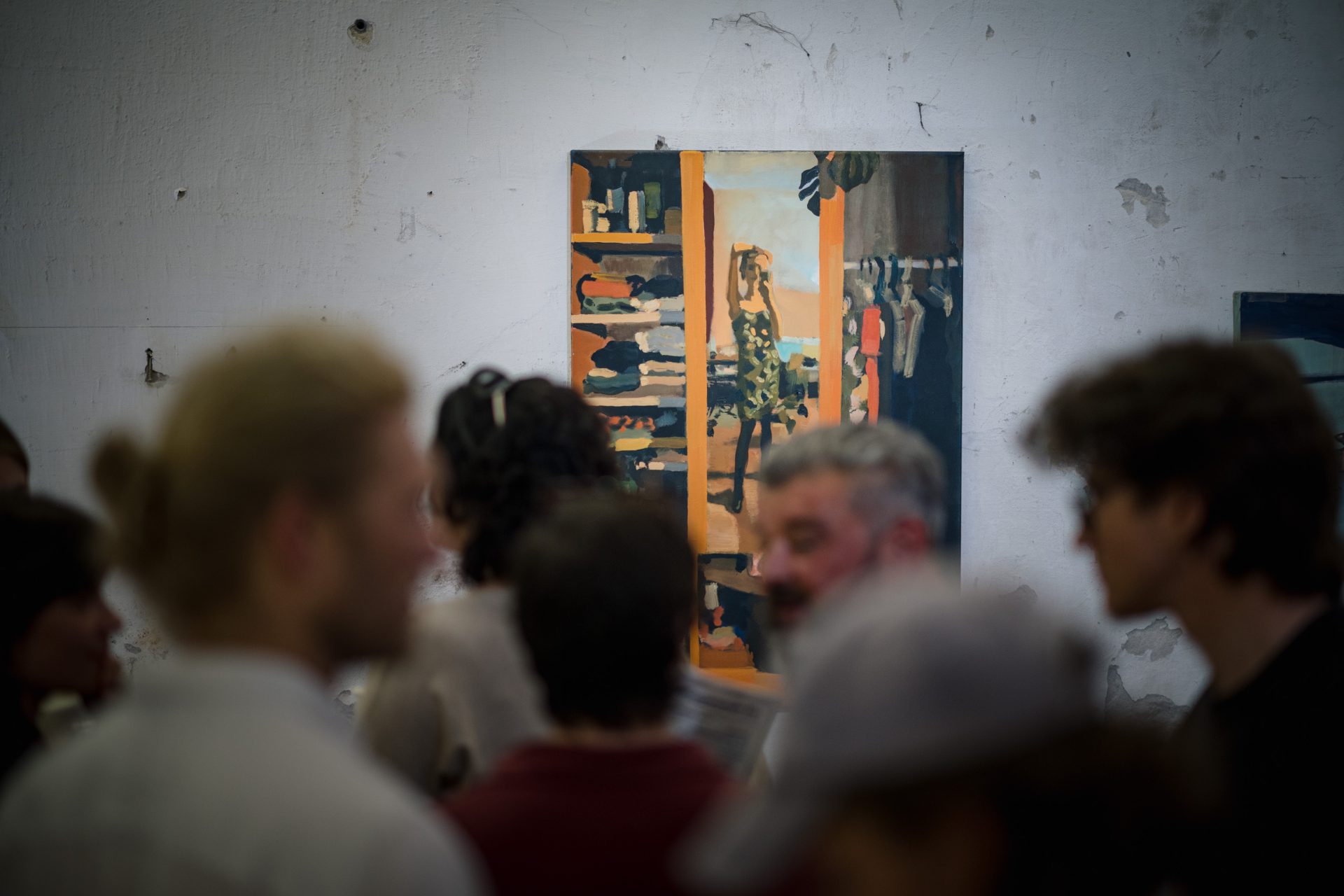
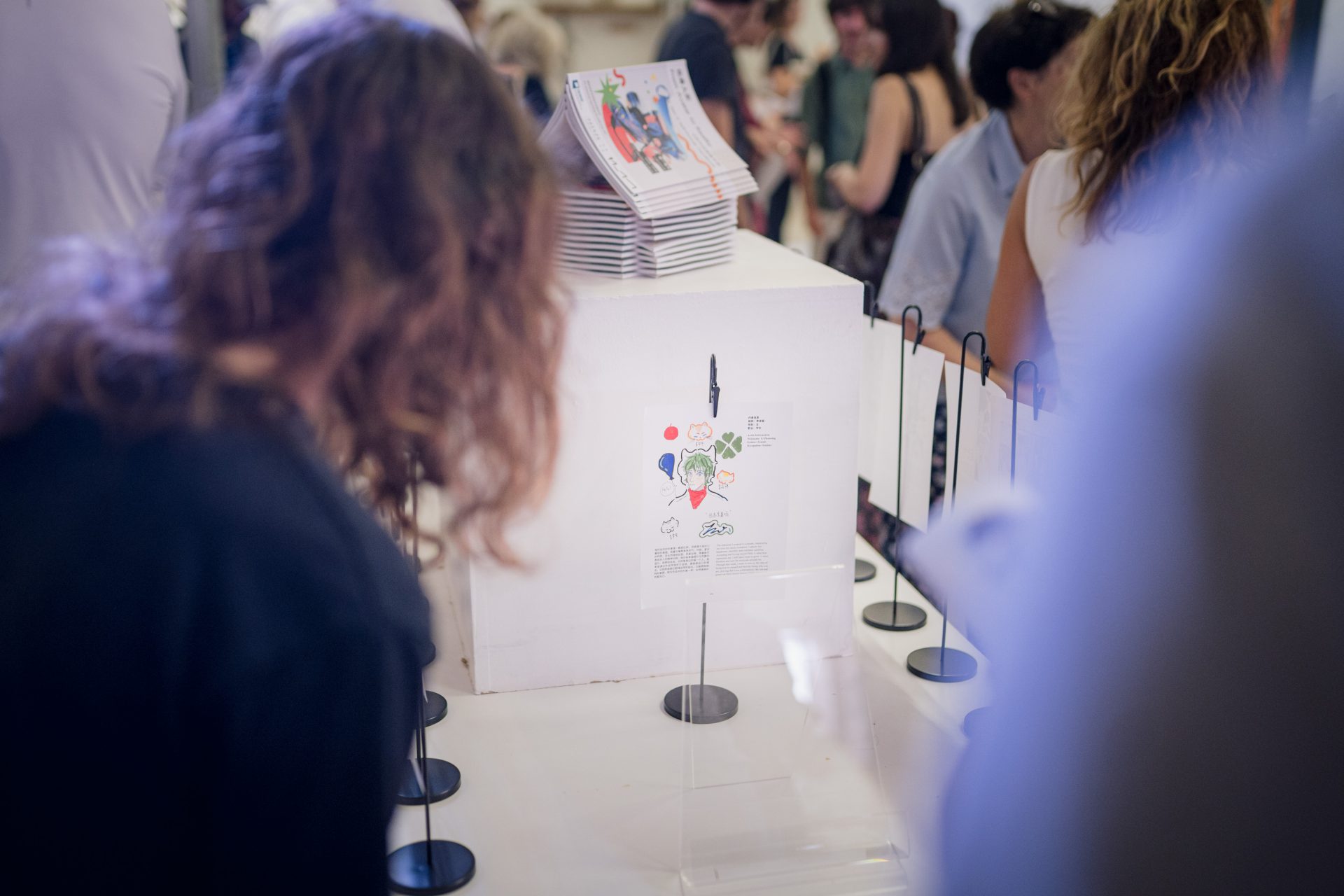
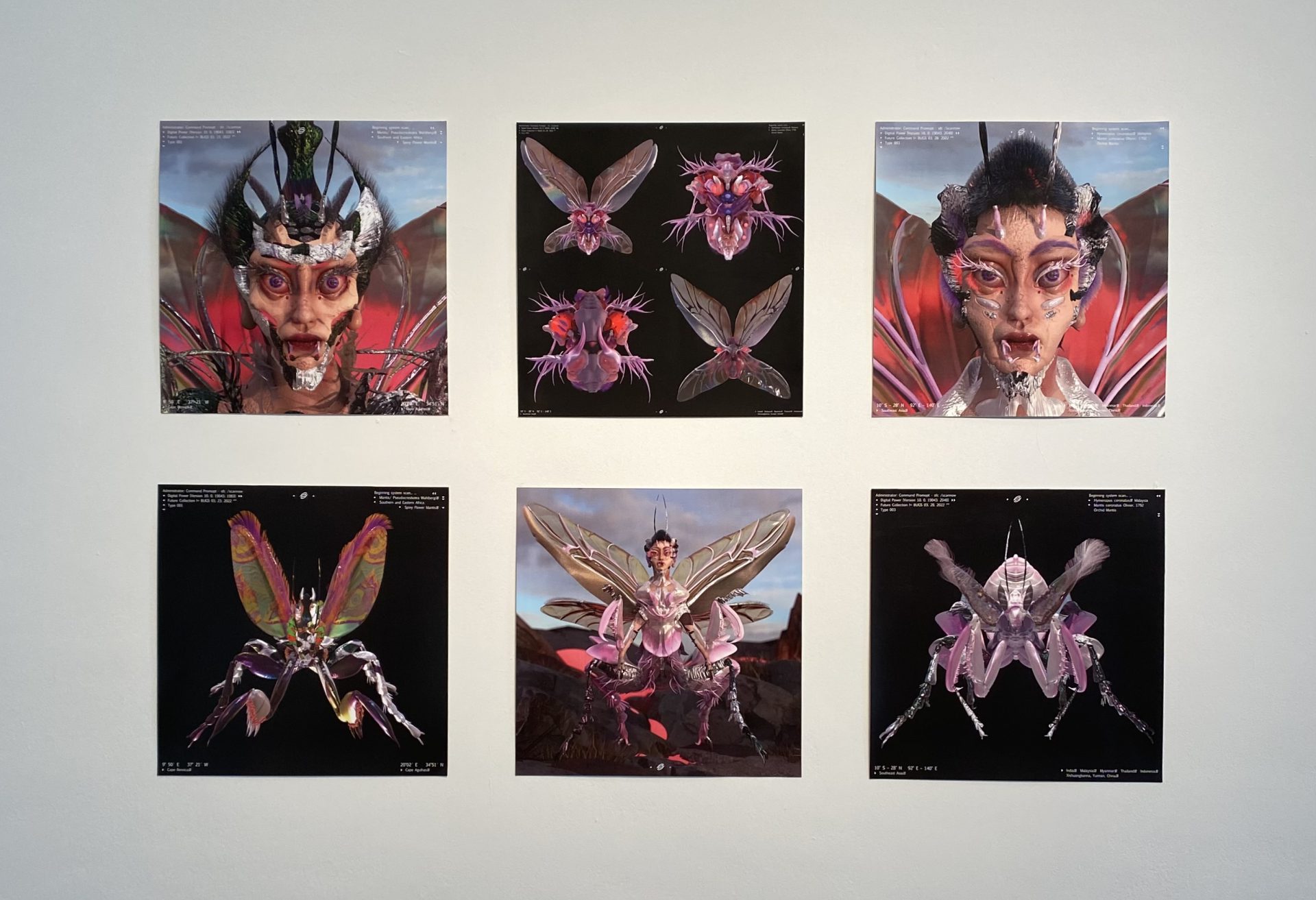
The exhibition “Suspended Self – Perspectives on Generation Z between psychological landscapes and urban code” opened on 29 June 2026 in Budapest, Hungary. It is a research-based exhibition stemming from the seminar ‘Modernism, Postmodernism and the Present’, which Prof. Dr. Klaus Siebenhaar taught during the winter semester of 2025/26 at the Central Academy of Fine Arts (CAFA) in Beijing.
From the perspective of their own generation, CAFA students are seeking answers to their pressing questions about their identity and their relationship with society and art.
They reflect on the divide between the individual and society, the discrepancy between ideals and reality, the blurring boundaries between the virtual and the real, and the confusion and stagnation in personal development amidst rapid social change. Outdated ways of life no longer work, yet the future remains uncertain, and neither time nor society provides ready-made answers. Generation Z is striving, in its own way, to re-establish a dialogue with the world. It is turning inwards to explore its inner landscapes and, amidst the uncertainty, to search for its authentic self. At the same time, its members are heading into the cities to re-establish tangible connections with urban spaces.
The exhibition showcases works by Chinese and Hungarian Generation Z artists. Generation Z is no longer merely seeking answers or their own individual forms of expression; it seeks dialogue and interaction with the audience.
The venue is situated on the former site of the historic Dreher Brewery in Kőbánya, District 10, Budapest. The site, which is now recognised as a municipal cultural heritage site, is being transformed into art spaces by the 11_11 Foundation – a partner of the ‘Triple-B’ project – in collaboration with the Kőbánya District Council.
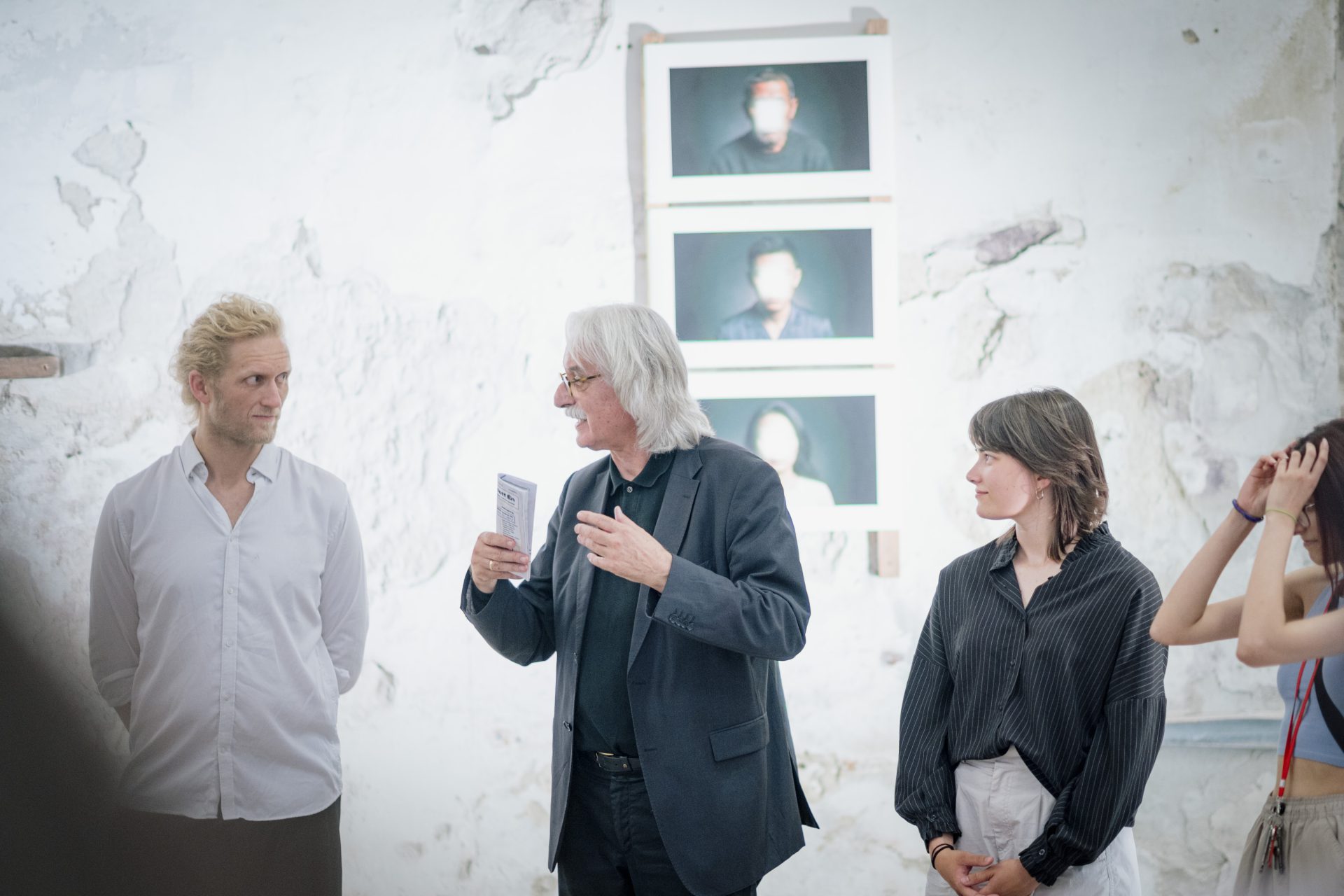
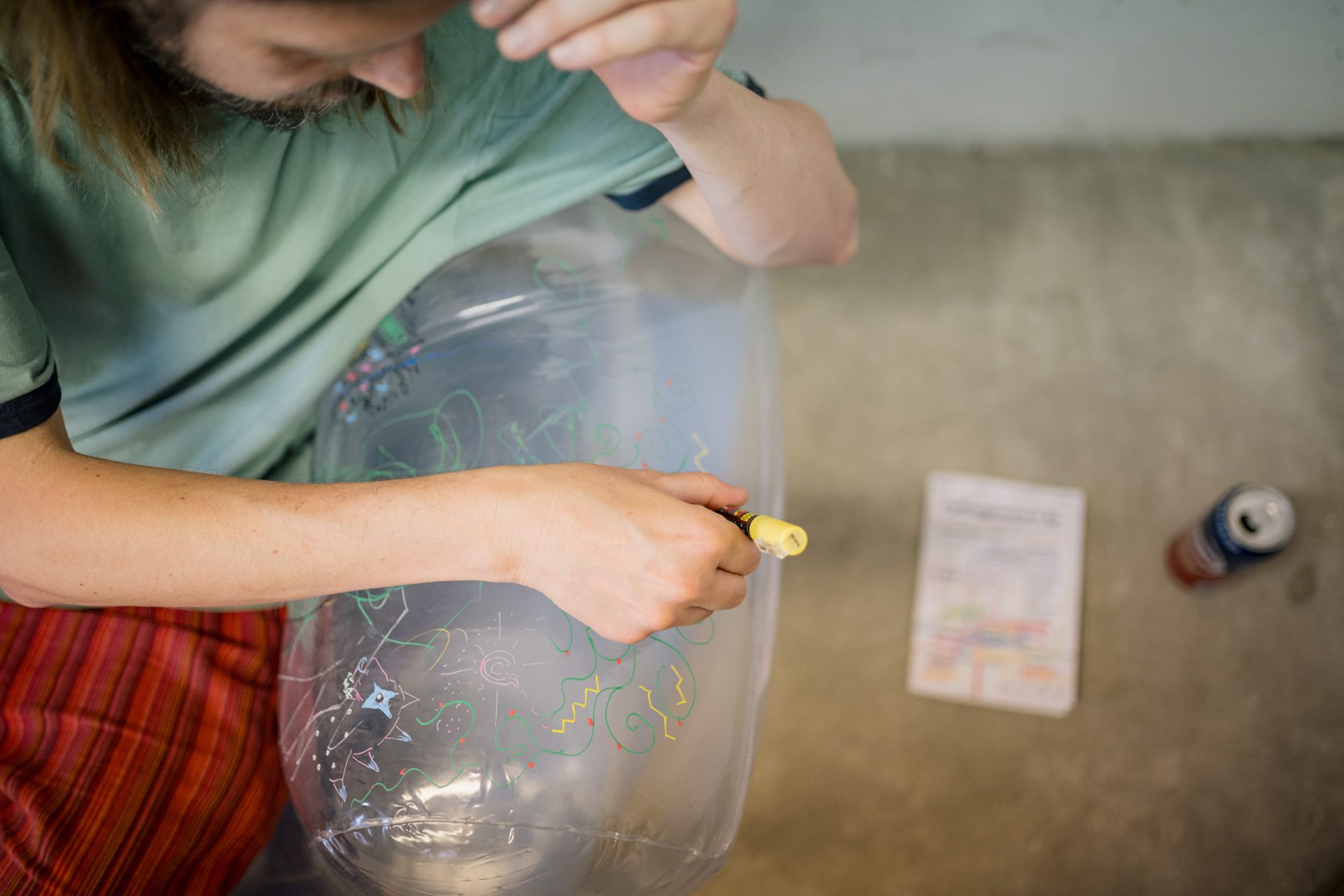
The reception on the opening day was met with a great and positive response. Visitors of all ages took part in the activities on site.
“Suspended Self” marks the conclusion of the Gen Z trilogy, which began in 2025 with the exhibition “Beijing – Berlin – Bohemian”.
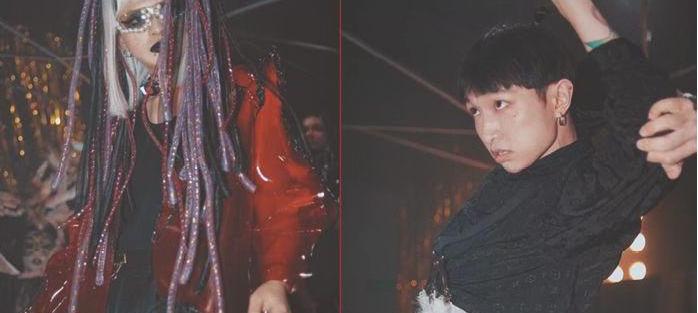
Chinese Gen Z: Underground Rock Culture & Academic Bars
A journey of discovery into the world of contemporary Chinese rock culture
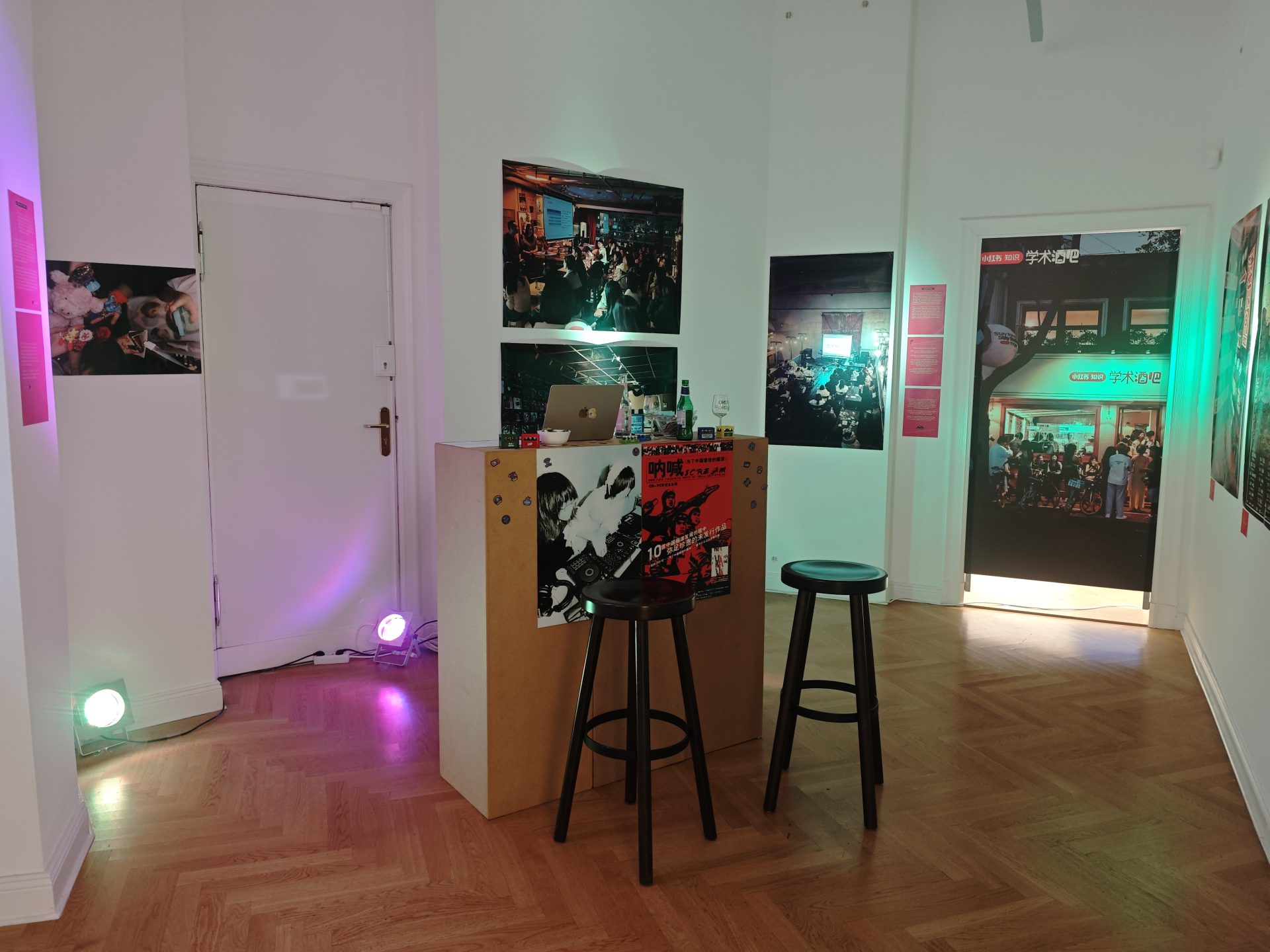
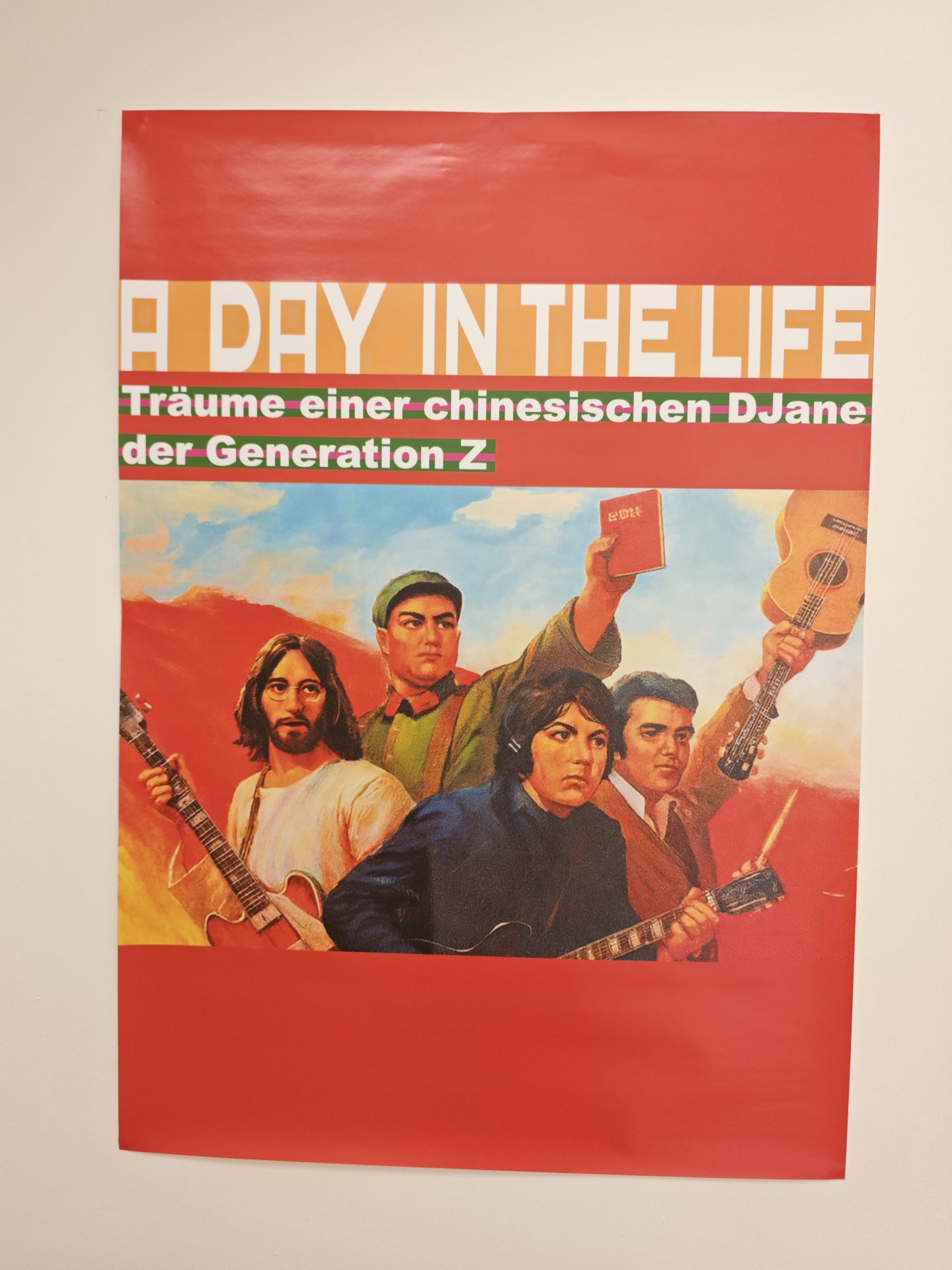
During the 2024/25 summer term, Generation Z students at the Central Academy of Fine Arts (CAFA) in Beijing, under the academic supervision and guidance of Prof. Dr. Klaus Siebenhaar, carried out a series of research projects and used the findings to develop an experimental exhibition format entitled ‘A DAY IN THE LIFE – Dreams of a Chinese Generation Z DJane’. The approach was experimental – methodologically experimental, that is – because documentary material was incorporated into an autobiographical narrative.
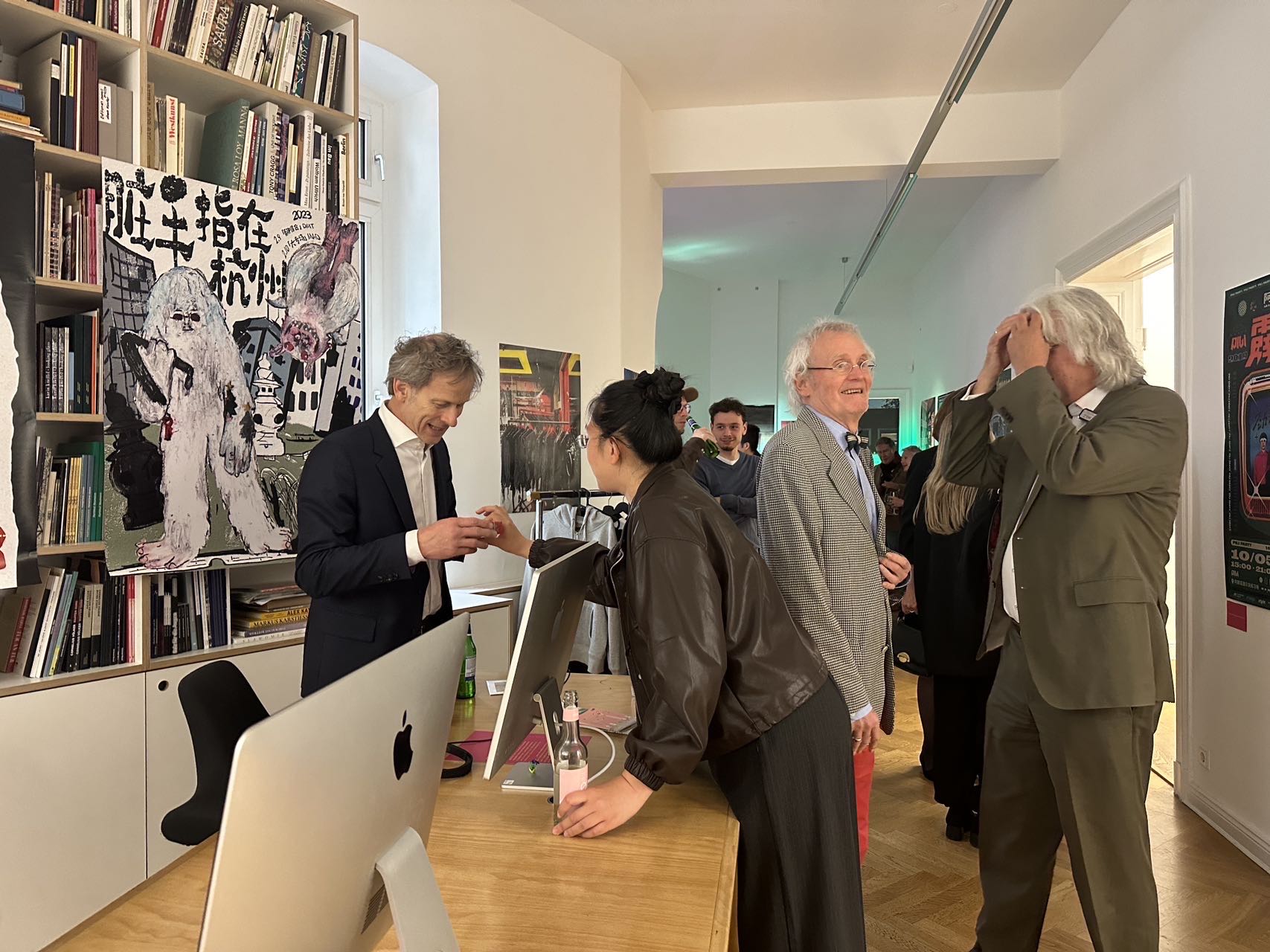
The exhibition was presented in the summer of 2026 as a pop-up exhibition (2 days) at Galerie Friese. Following on from the ‘Beijing-Berlin-Bohemian’ exhibition, it is another joint project between Galerie Friese, the IKMW and CAFA.
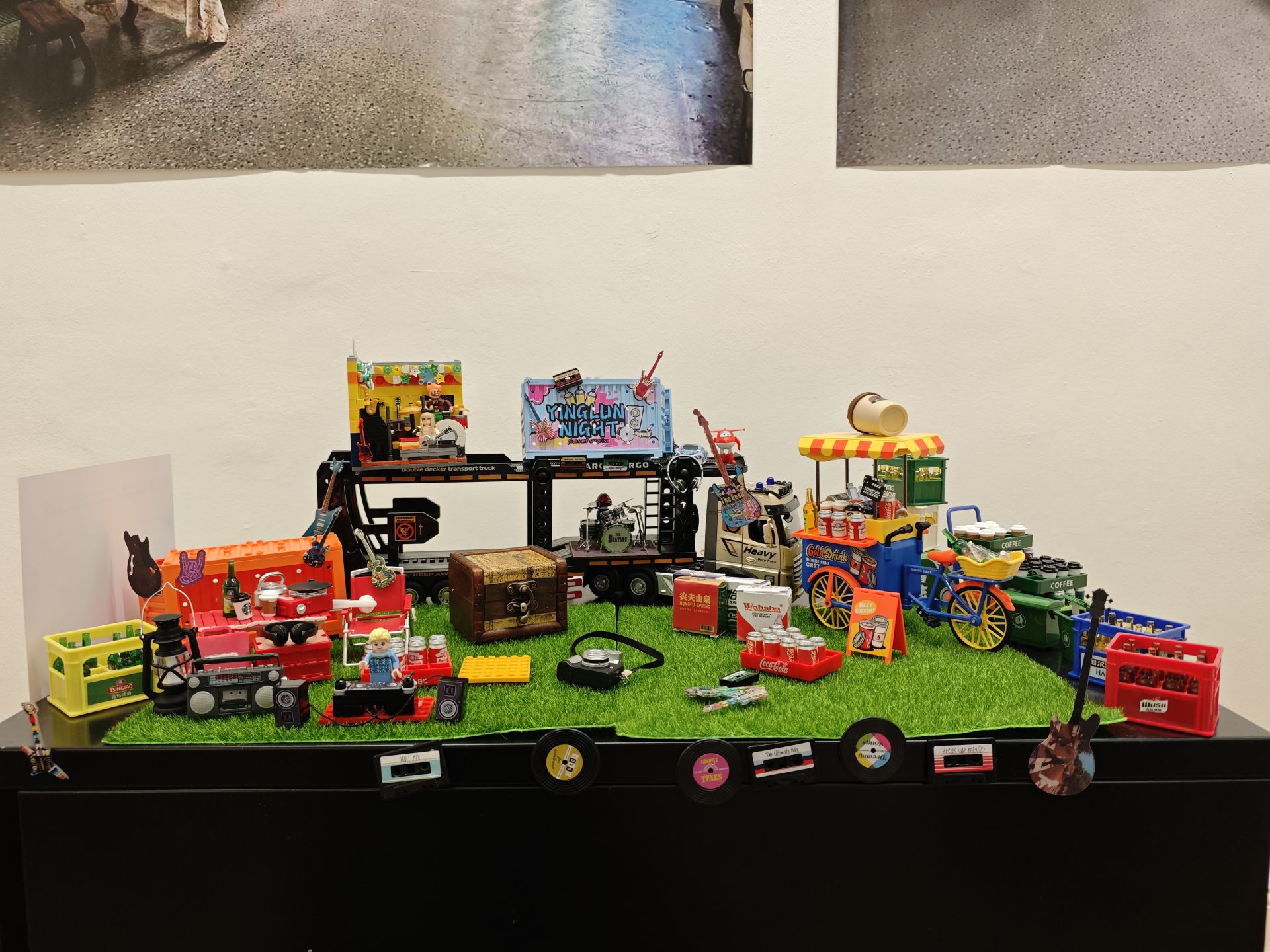
Original posters, photographs, fashion and extensive video footage shed light on a Chinese youth and music culture – straddling the underground and the mainstream – that is scarcely recognised in the West. Western and Asian aesthetics (psychedelic, K-pop) are just as clearly recognisable as entirely independent, genuinely Chinese forms and trends such as ‘Academic Bars’ or vintage rock shops. This research-based exhibition is akin to a journey of discovery into the lifestyle, self-presentation, dreams and even nightmares of a generation that, for the first time, represents a global phenomenon.
IKMW Expands
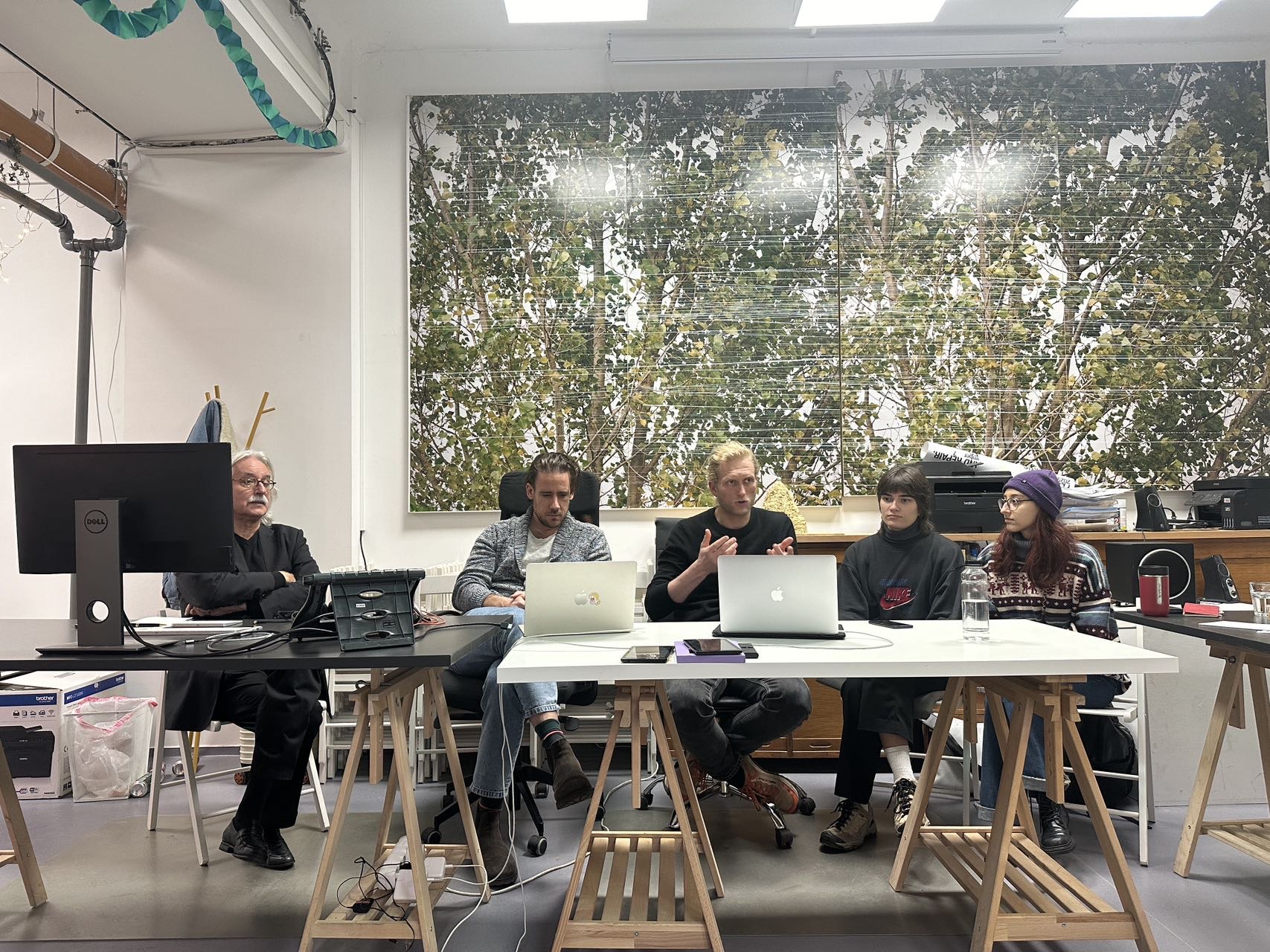
Art and culture-based urban projects are at the heart of the IKMW’s “Triple B” project in Berlin, in collaboration with the Central Academy of Fine Arts (CAFA) in Beijing and the 11_11 Foundation in Budapest. This project, in partnership with student groups and emerging cultural managers from the three metropolises, focuses on practical projects at the intersection of district development, aesthetic education, neighborhood development, and “third places.” Klaus Siebenhaar, Distinguished Professor at CAFA, and Daniel Ongjert, co-founder of the Hungarian 11_11 Foundation and a recent addition to the management team, will jointly lead the development and management of diverse activities, ranging from exhibitions and spatial research to structural practices, for Chinese students, particularly in Budapest.
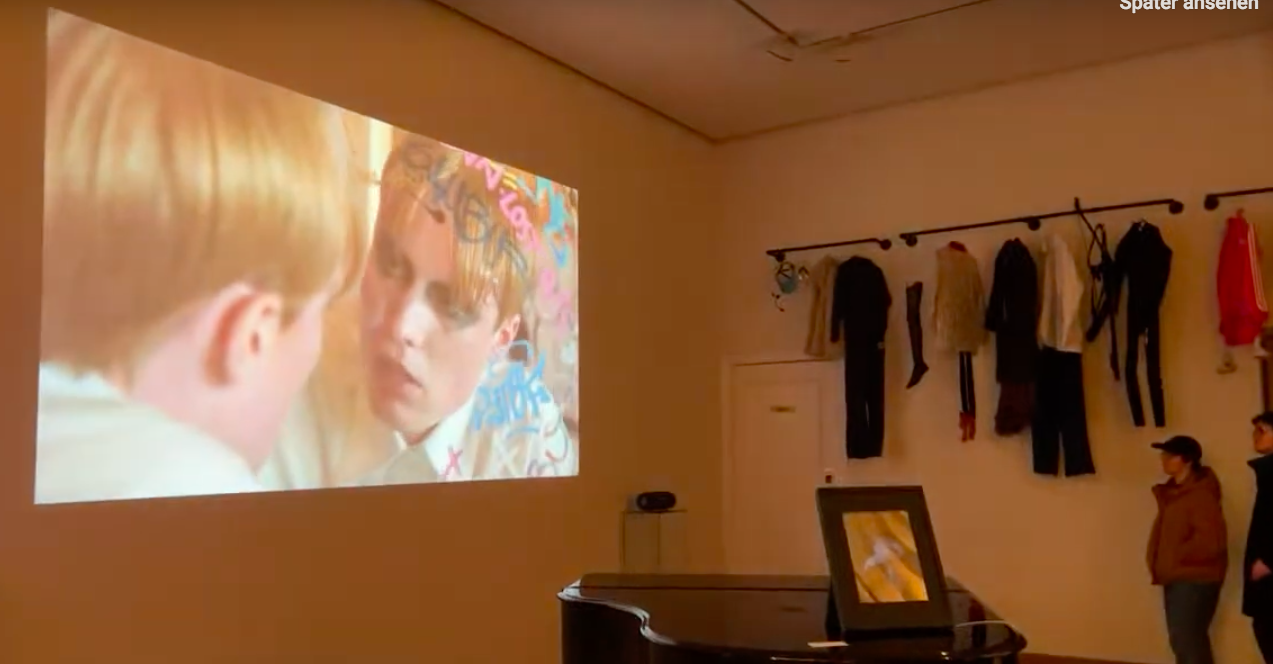
The following video gives an impression of the successful German-Chinese-Hungarian collaboration project „Art Clinic“ in Budapest:
Art and culture-based urban projects are at the heart of the IKMW’s “Triple B” initiative in Berlin, with the Central Academy of Fine Arts (CAFA) in Beijing and the 11_11 Foundation in Budapest. The collaboration does not start from scratch: the successful larger and smaller exhibition projects in Berlin and Budapest (“Art Clinic”, “Timehouse”, “Berlin-Beijing-Boheme”) provided valuable experience and reinforced the desire for continuous cooperation, which focuses particularly on the international academic development of young talent.
Reinforcement
Daniel Ongjerth takes over “International Projects”
Daniel Ongjerth, co-founder of the 11_11 Foundation in Budapest, will join the IKMW leadership team at the beginning of 2026. Based in Budapest, he will manage international projects focusing on cultural ecosystems and urban development. Due to his many years of expertise in arts and culture-based community building and successful project collaborations with the IKMW before and during the pandemic, he will be jointly responsible for the “Triple B” project with the Central Academy of Fine Arts (CAFA) in Beijing, effective immediately.
Bohemians on the Road
Seminar and Exhibition Project Berlin-Beijing-Budapest Successfully Completed
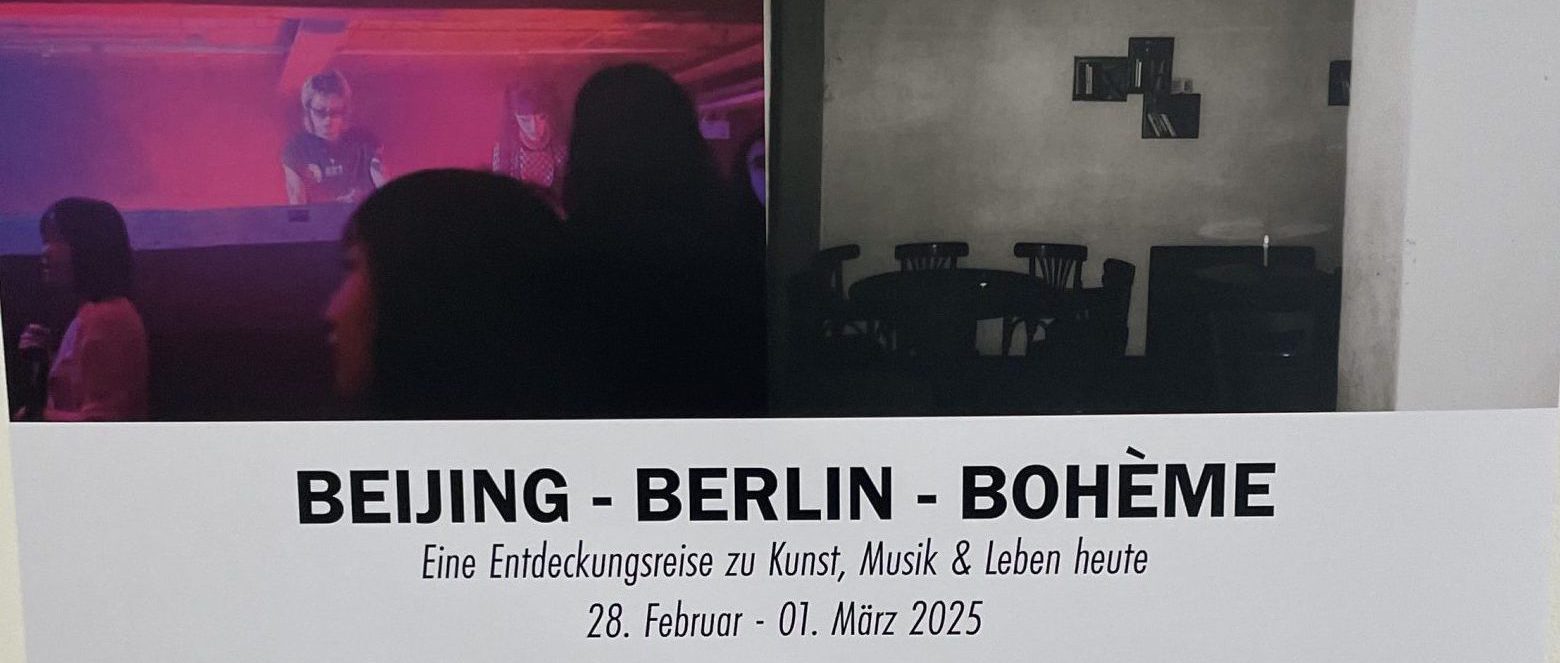
This long-term seminar and exhibition project on the European Bohemian scene and its contemporary subcultural transformations began in the Summer semester of 2024 at the Free University of Berlin in the Department of Philosophy and Humanities and was revisited in a modified form in the Winter semester of 2024/25 at the Central Academy of Fine Arts (CAFA) in Beijing.
After the seminars concluded, student project teams in Berlin and Beijing embarked on archival and field research, exploring the Bohemian scene of today.
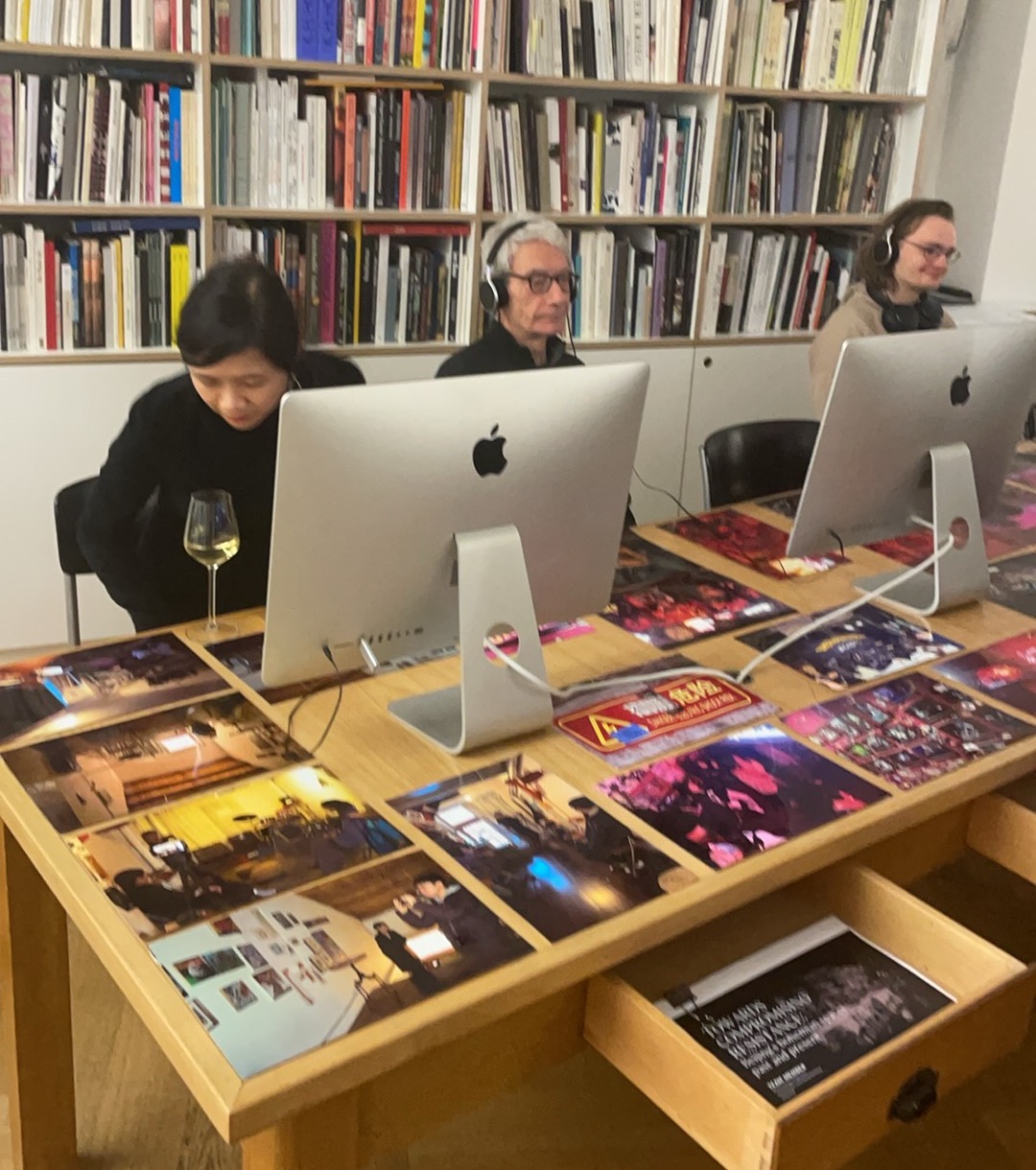
This resulted in a catalog of highly diverse subcultural formations, which were initially presented in a „cabinet of curiosities,“ a „lab,“ at the Galerie Friese in Spring 2025 as „Beijing-Berlin-Bohemian.“ At the same time, a hybrid curatorial practice was tested: the Chinese project teams participated via Zoom, while the Berlin working group set up the pop-up exhibition (3 days). Galerie Friese considered this temporary, experimental „expansion“ a resounding success and welcomed further collaboration in this constellation.
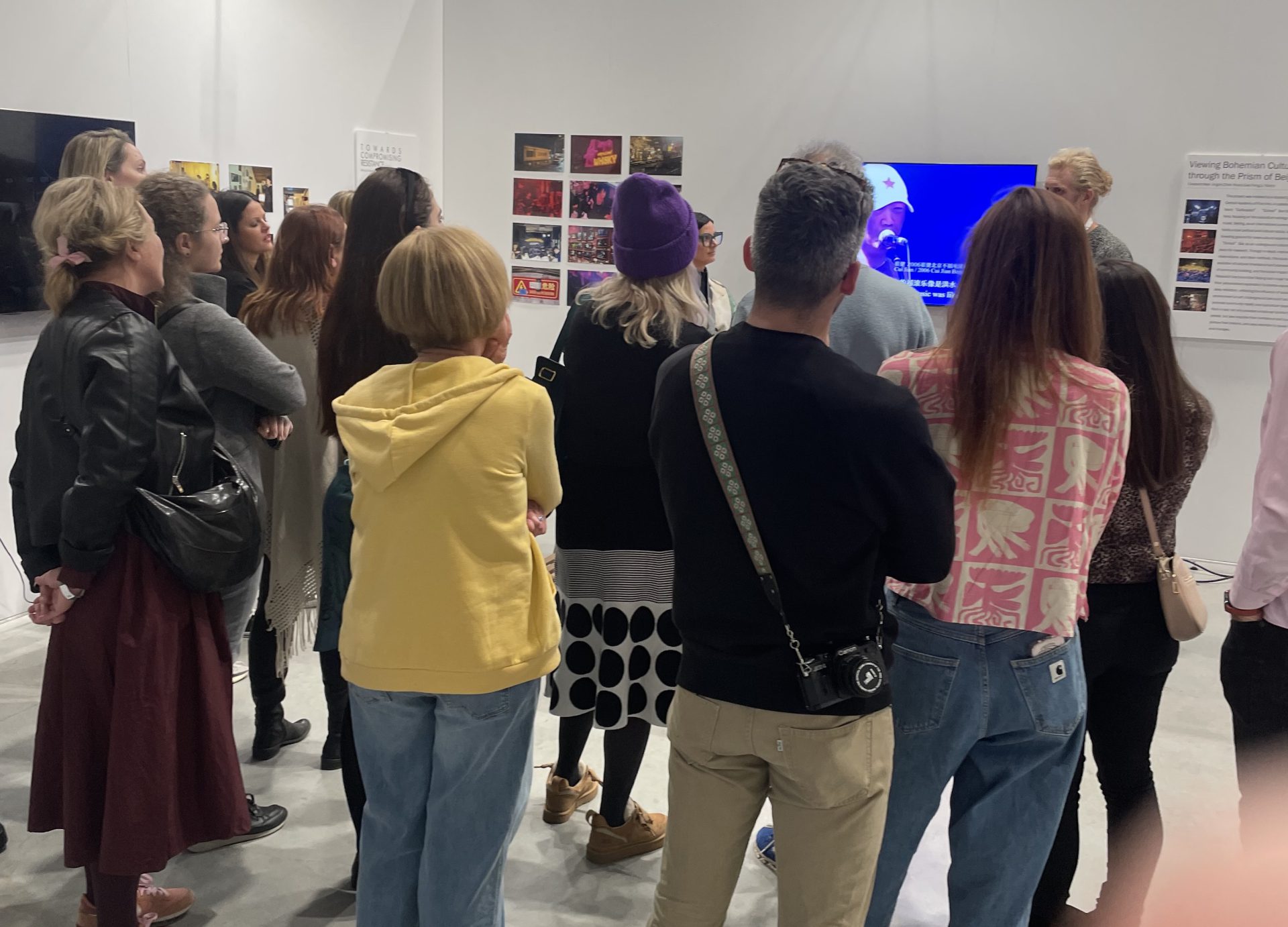
For the Budapest Contemporary Art Fair, a modified curatorial concept was implemented with the Budapest gallery „11_11,“ focusing entirely on the „Beijing Bohemian“ scene and reworking the Beijing video, photo, and text material for a traditional exhibition booth. The art fair appearance, which took place from October 15 to 19, 2025, proved to be a surprise success with the Budapest audience (including a large Chinese community) in the area of the photo galleries, generating numerous inquiries and discussions about the subject matter and its context. This also revived the „Berlin-Beijing-Budapest axis“ in a „post-pandemic“ way.
Made in Remscheid
Creating new community in a vibrant local cultural ecosystem
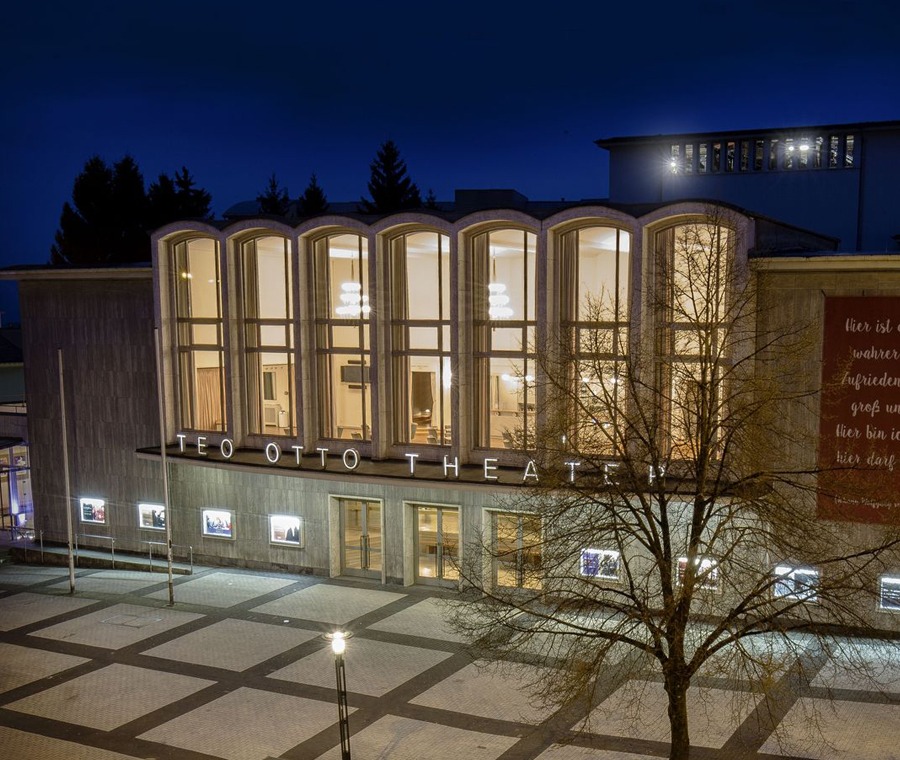
Achim Müller is helping to develop the „Made in Remscheid“ project at the Teo Otto Theater in Remscheid. Funded by the „Spielzeit“ program, he is working with Sven Graf, the artistic director of the Teo Otto Theater, and public relations expert Melanie Adriaan to further establish the guest theater as a focal point of Remscheid’s urban life.
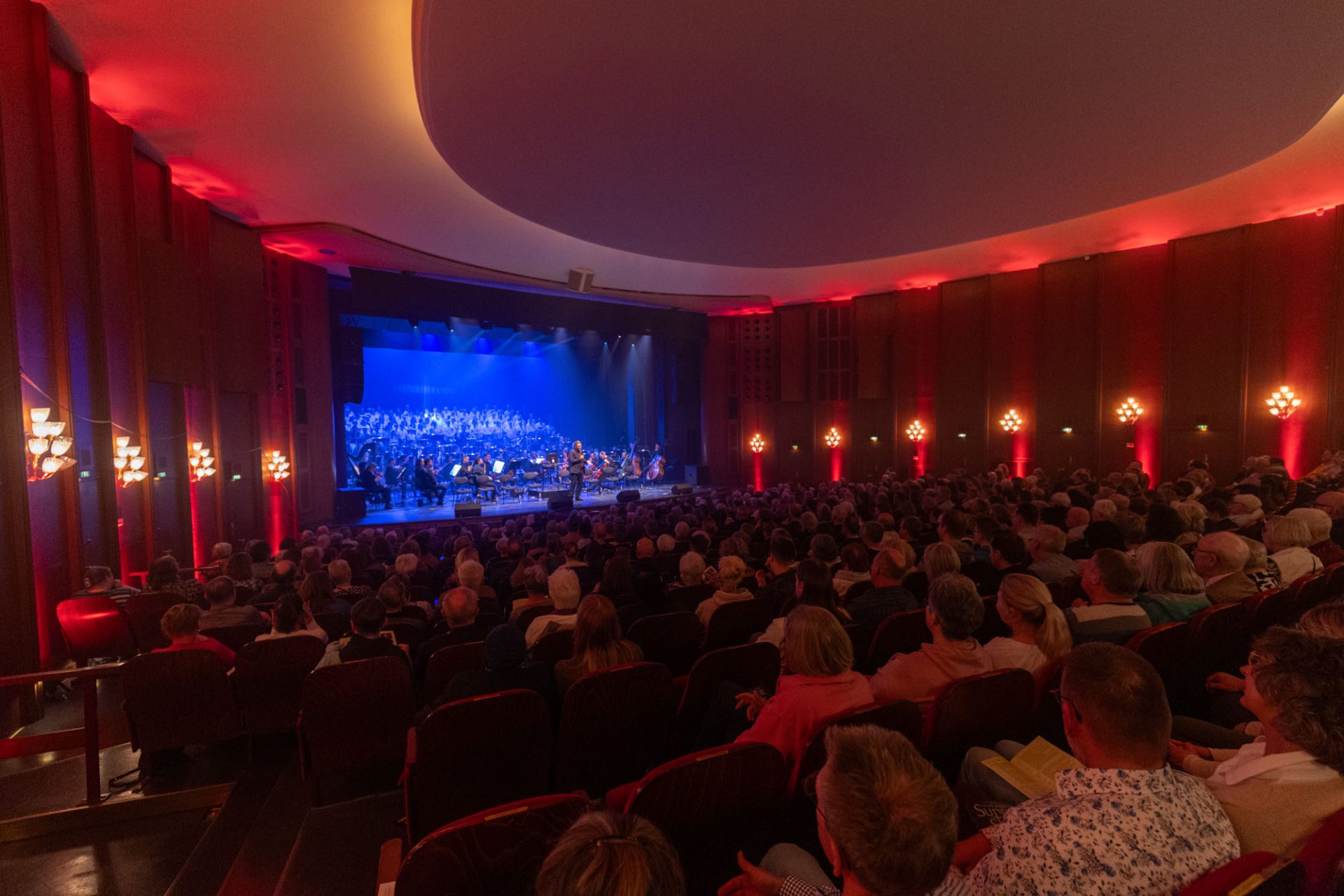
The core of the project is a program comprised of productions created by local artists and cultural institutions – such as recently the twice sold-out orchestral performance of the cult musical Jesus Christ Superstar, conducted by church music director Christoph Spengler, together with the Bergische Symphoniker, international musical soloists, a specially assembled band, and a choir of over 300 amateurs.
The diverse productions are managed underneath an overarching strategy: to increase the reach, visibility, and awareness of local artistic creation through continuous public relations work; to foster a sense of community and creative enthusiasm within an ecosystem of committed program partners through networking workshops and collaborations; and to create an intensified visitor experience for all Made in Remscheid productions through specific additional event formats, characterized by proximity, audience activation, and participation.
The most recent successful example was a church service at the Teo Otto Theater, which took place on the Sunday after the two performances of Jesus Christ Superstar, featuring two pastors, a band, video and audio recordings of scenes from the musical, and voices from Remscheid residents. Inspired by themes from the musical, the theater hall was transformed for a special kind of devotional.
Timehouse: Where are we NOW?
Chinese-German exhibition in the Löwenpalais, Berlin
On März 31, 2023 a joint exhibition project of the Central Academy of Fine Arts (CAFA), Beijing, the Kunstakademie Düsseldorf, the Freie Universität Berlin, the Institute for Art und Media Industries (IKMW) Berlin and the Art Foundation Starke, Berlin im Löwenpalais, Berlin.
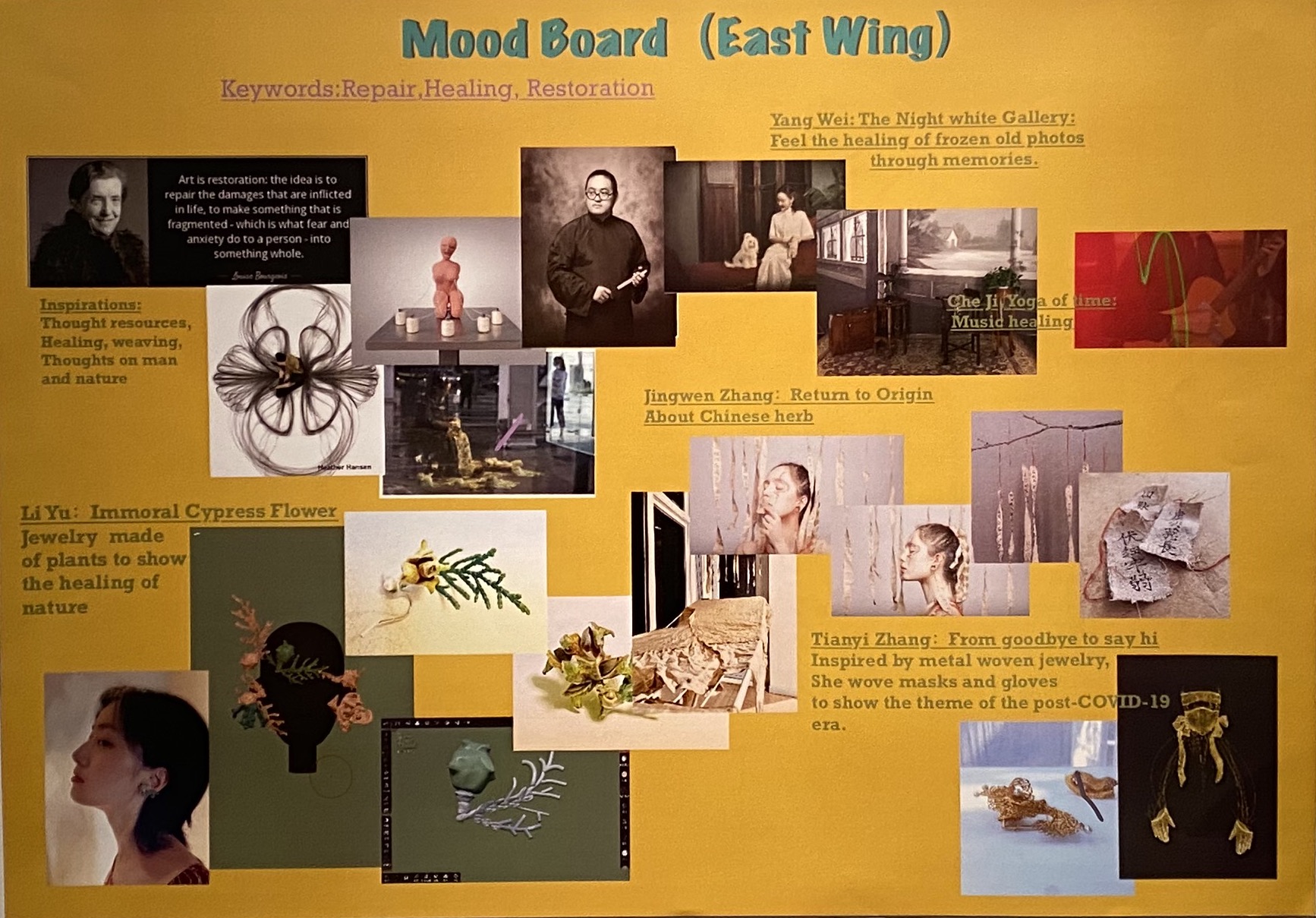
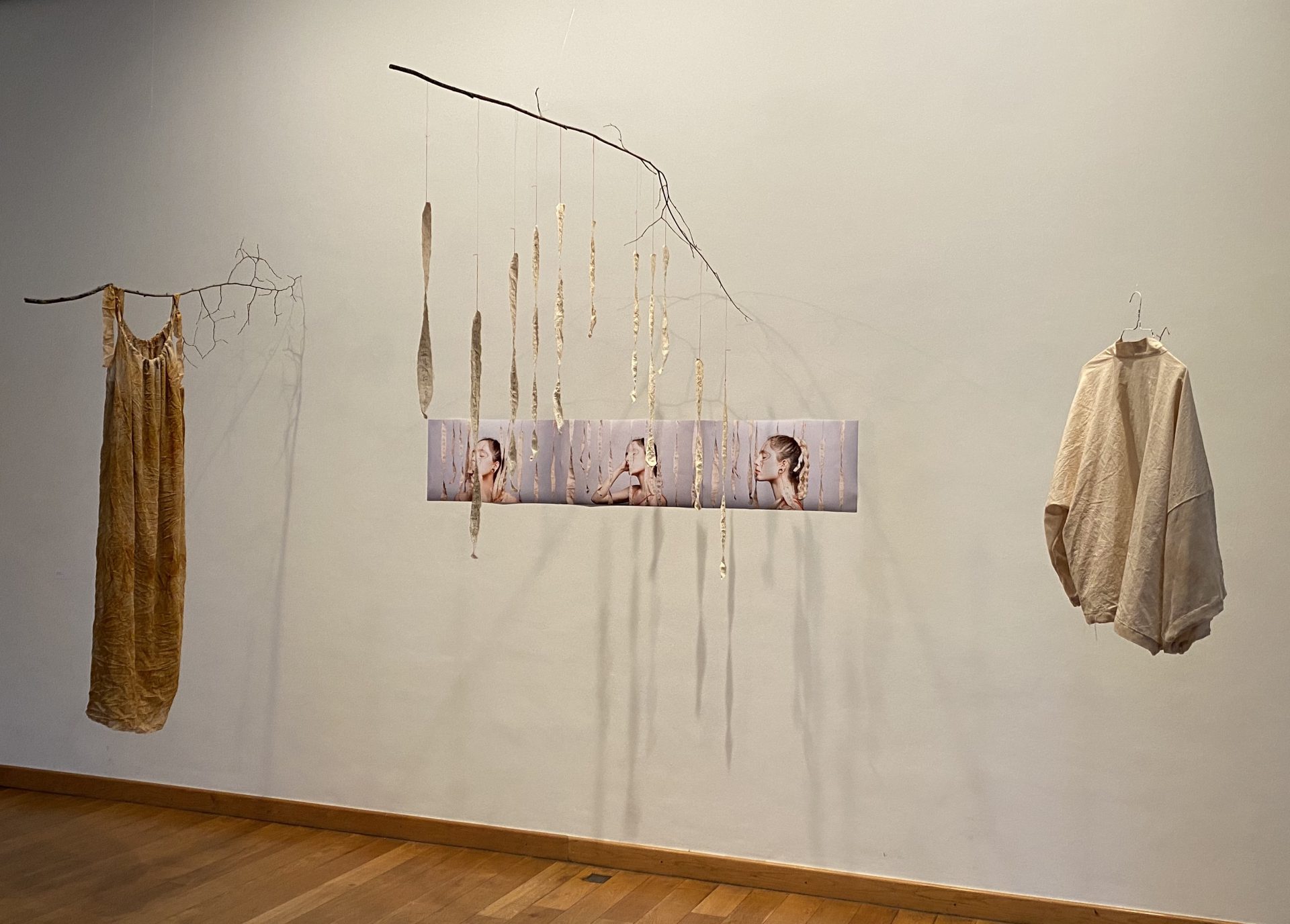
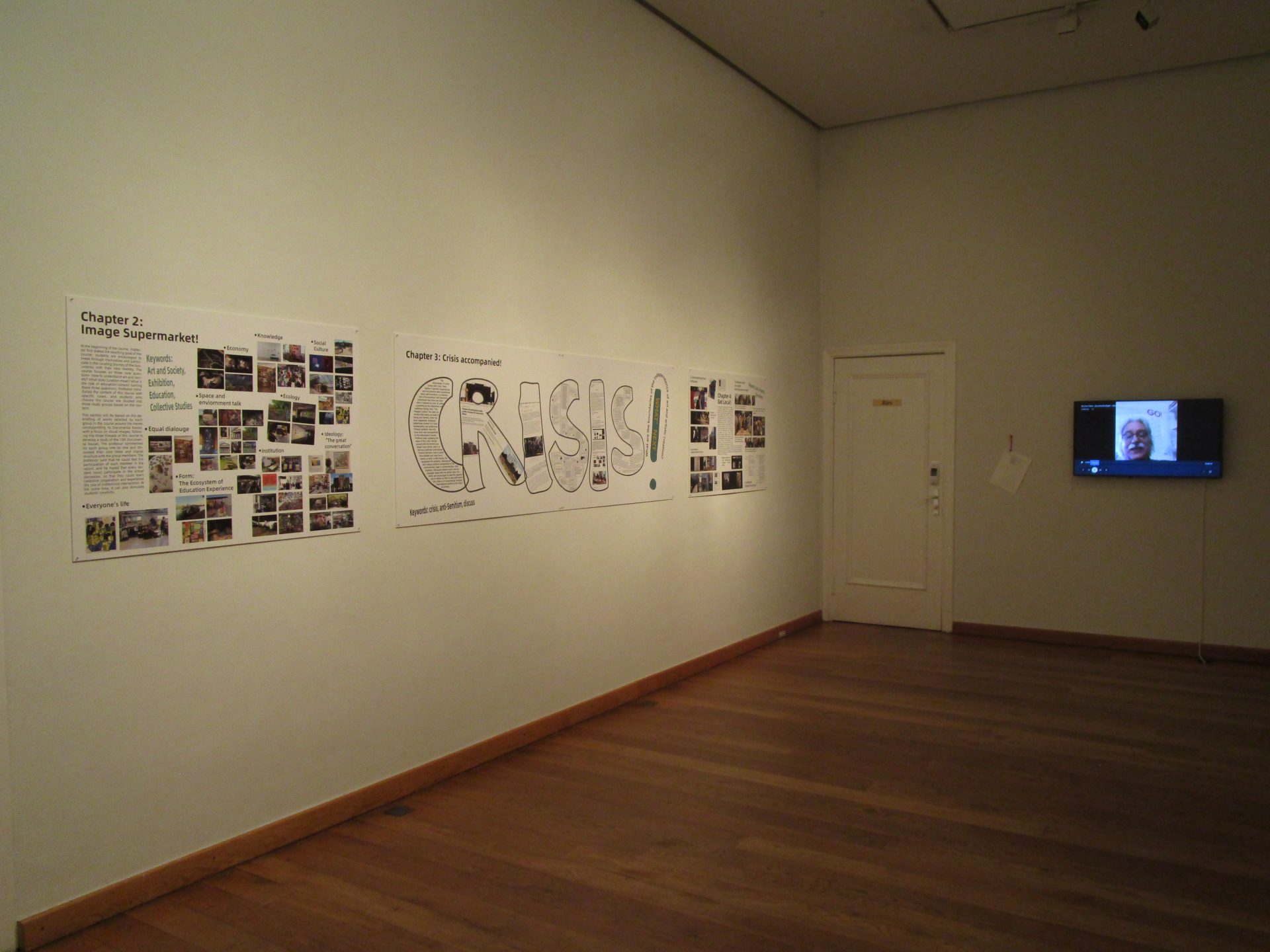
Two weeks the Löwenpalais transforms into a „timehouse“, where the „curatorial team“ formed by students Central Adademy of Fine Arts (CAFA), Beijing engaged in a search for their contemporary time. In five differently themed spaces („anthropocene“, „stages of subculture“, „crisis & survival“, „repair & healing“, „dreams“) the multiple artistic positions and formats from video through installations, photography, billboards to object art reflect the perspectives on the world and the emotional condition of the much-cited „Generation Z“.
48 mostly young artists from China, but also some international emerging artists from the Düsseldorfer art acadmy were invited. In the current post-pandemic era this exhibition is an experiment of a special kind, both in its genesis and its realisation – „distance curating“ with academic advisors and coaching across 10.000 km: teams, artists and a location, where the team could never meet physically as a whole, where only the artists from the Düsseldorf art academy and the academic teachers could walk and see in an analog way.
In this Chinese-German production the Löwenpalais from its lounge, its basement all through to the three traditional exhibition spaces will be used for exhibiting in entirety for the very first time. For the exhibition a booklet is published, comprising the exhibition’s „making of“ as well as the artists presented.
The exhibition is open until April 15, 2023 from 10 am to 5 pm. Address: Kunststiftung Starke, Löwenpalais; Königsallee 30-32; 14193 Berlin. https://stiftungstarke.de/
A video podcast by the Berlin-based Korean Moon Suk gives a lively impression of the exhibition’s opening:
Fascination and Controversy
Exhibition and Discussion on the documenta
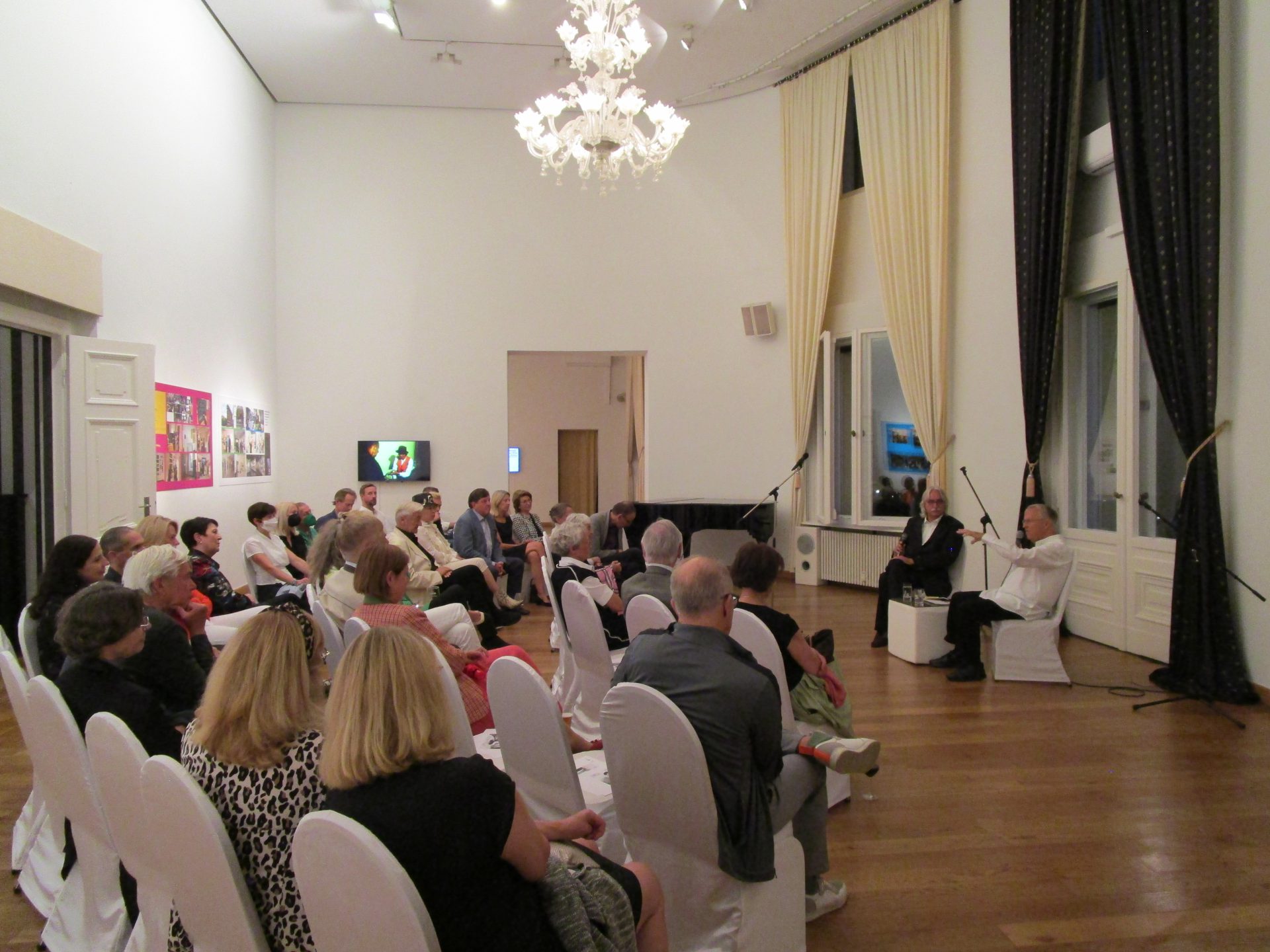
It was a special documenta night at the Löwenpalais of the Art Foundation Stark in Berlin Grunewald, linking Kassel with Beijing and the German capital.
The documentary exhibition „documenta goes China 2017-2022“ provided the framing for a panel discussion on the current situation of the documenta fifteen.
„documenta goes China“
Curated with photos, historic film sequences and trailers, the pop up-exhibition presented a significant part of the documenta’s reception in China, referring to three very different projects: “Myth of documenta. Arnold Bode and his heirs”, shown 2017 in the CAFA Museum in Peking on 3.000 sqm and featuring hundreds of objects, materials and photos from the documenta archive in Kassel, for the first time presented the documenta with its preconditions, its artistic developments and its curatorial, educational as well as historic contexts to a predominantly young Chinese audience. Well over 30.00 visitors within four weeks documented the strong interest, also for the newly configured version in Shanghai. Shaped by Klaus Siebenhaar (Free University Berlin) and Yu Ding (Central Academy of Fine Arts (CAFA), Peking), the exhibition serves as a best practice in research- and archive-based exhibition practice within Chinese curatorial studies.
The double exhibition „Joseph Beuys and the documenta“/“Cosmos Beuys“, opened in September 2021 in the Residency of the German Embassy in Beijing and the big seminar on the documenta fifteen in June/July 2022, turned into a montage by the Chinese students, were already perceived under the conditions of the Covid pandemic. All of these documenta endeavors, though very different in their dimensions and formats, represented the fundamental Chinese attitudes of perception:
1) The contemplative and healing power of art, its aesthetic, emotional and societal impact in staged indoor and outdoor spaces.
2) The transformation of an entire city through artistic interventions: Kassel as an “exhibition hall”.
3) The positive appropriation, the individually and collectively active role of the visitors and “atmospheres” developing from it.
All three exhibitions document the geographic link between Kassel-Berlin-Beijing. They rest on the continuous cooperation between institutions in these three cities: Free University Berlin, Institute for Arts und Media Industries Berlin, documenta Archive Kassel, Central Academy of Fine Arts (CAFA) Beijing and the German Embassy in Beijing.
And for all projects holds that they were realized with German and Chinese students.
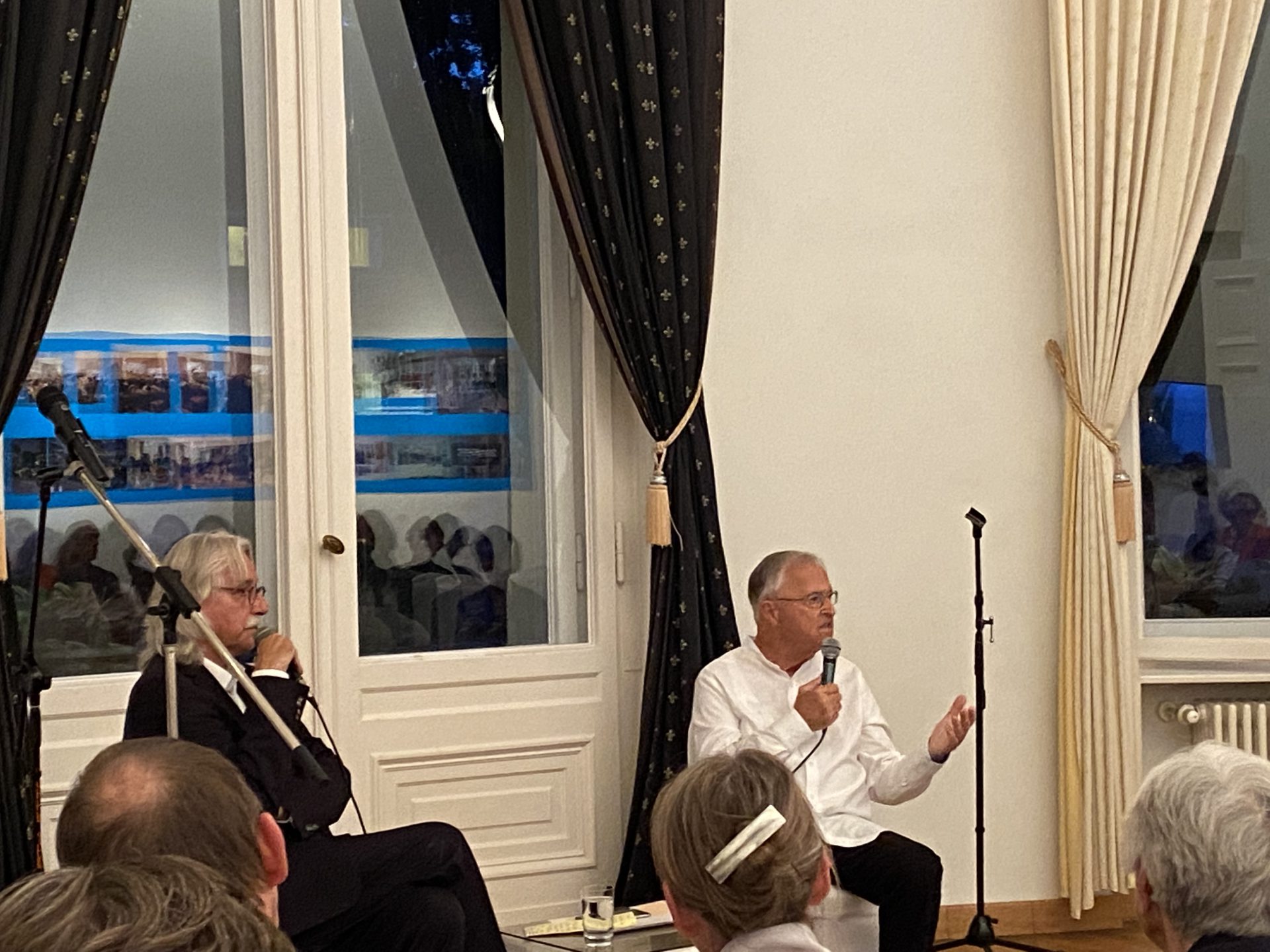
The political dialogue: Klaus Siebenhaar in conversation with Hans Eichel
As Mayor of Kassel, as Head of State of the State of Hessia and as German Treasurer, Hans Eichel has actively and directly accompanied the documenta through several decades, and had to weather off controversies, conflicts and situations of crisis. Especially as a politician the independence of artistic leadership and the freedom of the art in general always was untouchable and guaranteed. The discussions about Walter de Maria’s “Earth Kilometer”, the staging of “state artists of the GDR” or Beuys’ “7000 Oaks” always stayed civic protests in the context of cultural policy, they always could be resolved through discussions and communication. With its inability for dialogue, their “hermeneutics of suspicion” (Armin Nassehi), the scandalization of the accusations of antisemitism represent a novelty. Both Hans Eichel and Klaus Siebenhaar alleged that the forming of ideologic bubbles, the sometimes intentional ambiguity of central terms (racism, antisemitism, global south) and complex contexts of worldviews (French theory, applied post-modernism, post-colonial studies etc.) contribute significantly to polemics, waves of outrage and simplifications.
Both were united in their perspective on the future of the documenta: The documenta 16 will take place in 2027 in Kassel, and it must not be realized in an organizational or content-wise framework “supervised curating” (Klaus Siebenhaar”) – of state-side paternalism and intervention like in German public broadcasting.
The discussion closed on an engaged plea by both speakers to keep up artistic freedom even in conflict. Conflicts and necessary debates with attitudes as those of the Indonesian collective ruangrupa, the artistic directors of documenta fifteen, should take place on the basis of mutual respect and friendly coexistence and should not lead to political influence and uninformed, unreflected paternalization.
For „50%“ not to remain the „New Sold Out“
Audience Development-Workshop for the Deutscher Bühnenverein
In the face of visitor numbers that still haven’t reached pre-pandemic levels and of less than boisterous audience trends already before COVID the IKMW on 10 June 2022 gave a workshop on Audience Development at the annual meeting of the Deutscher Bühnenvereins (DBV) at the Oldenburg State Theater – it was the most frequented out of seven workshops offered to the member theatres.
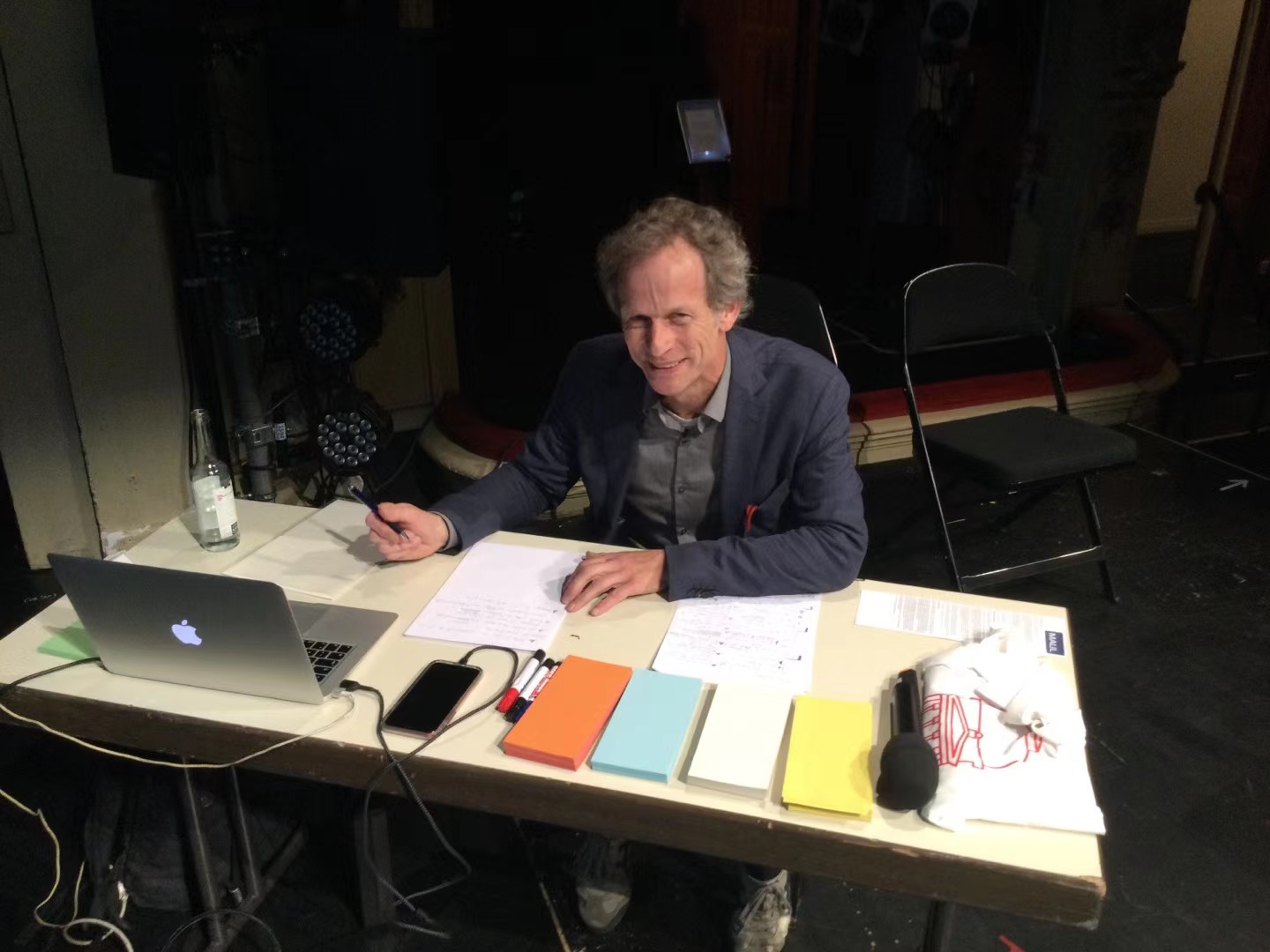
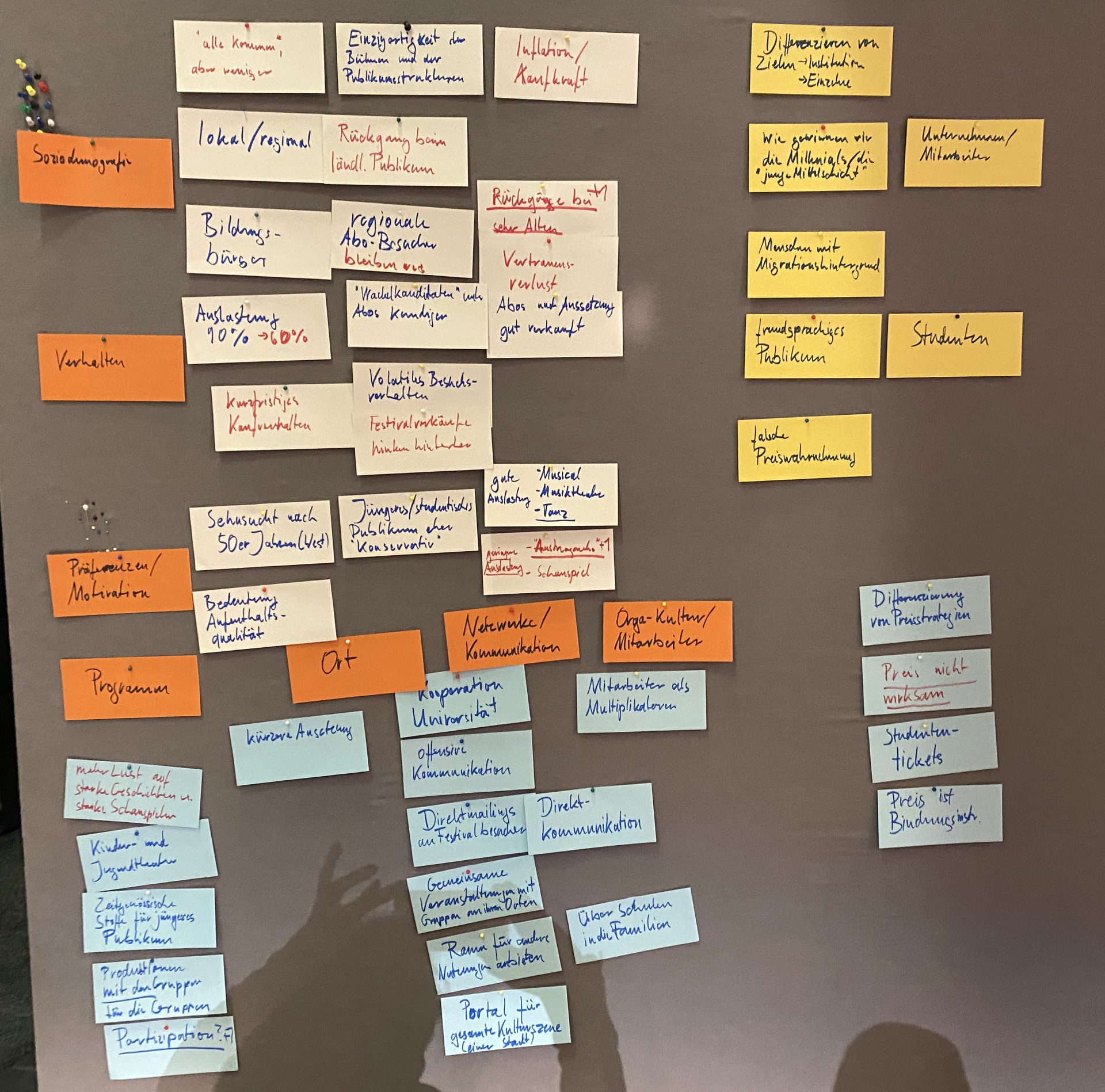
In a facilitated inventory Achim Müller collected and structured the experiences and knowledge of participating theatres. The research followed three guiding questions: Who comes, whom do we know? Whom do we miss, whom do we want to come? How and where do we want to seek, find, motivate and bind them?
To complement this experience-based kowledge Achim Müller and Klaus Siebenhaar introduced basic results from scientific research on visitor structure, motivation, behaviour and development.
The core findings were humbling, but not very surprising: significant decrease of visits, specifically among frequent visitors; both encouraging and disappointing expereinces both with measures to regain former and with those to attract new audiences visitors – and, lingering above, the insight already formulated by Bourdieu in the 1960s: Programming that is truly visitor-oriented – including innovative participatory formats and new venues – together with adequate, if possible personalised communications remain remain the core of all successful audience development.
The results made it clear: For the future theatres don’t really need additional general research projects without reference to concrete measures. For audience development to be at the same time art-oriented and evidence-based they should instead invest in a process of research & development focussing on developing and testing specific activities, formats and strategies. The IKMW already has entered talks with the DBV to start such a project with selected theatres.