A Ship Will Come!

Interreligious Project of the „Jewish Cultural Ship MS Goldberg“ Evaluated

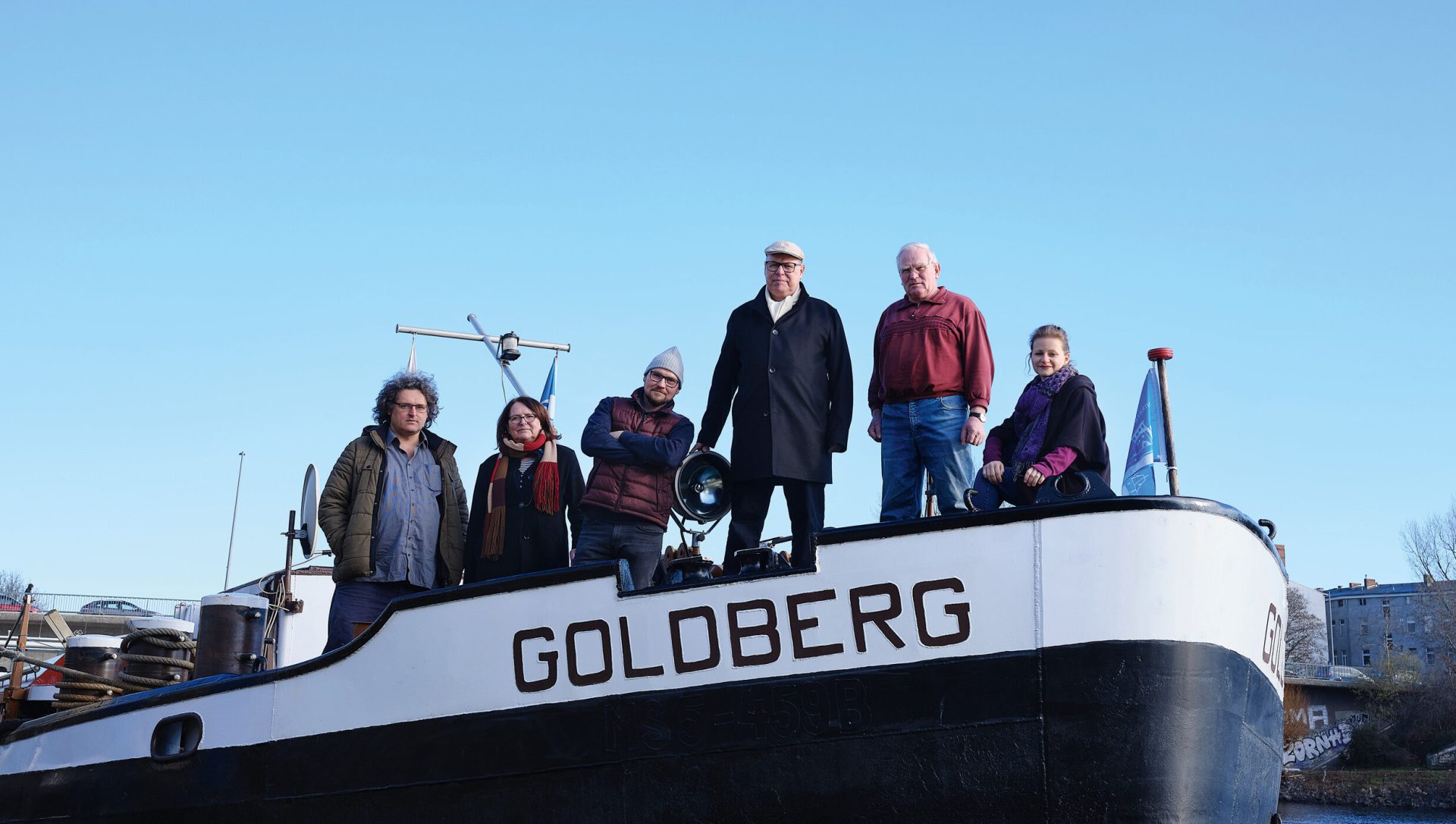
In the second half of 2025, the IKMW (Institute for Cultural and Media Research) had the opportunity to accompany an exceptional cultural institution in an equally special endeavor: The Institute conducted a comprehensive evaluation of the „Abraham’s Family Stories“ program of the „Jewish Cultural Ship MS Goldberg,“ including future scenarios and recommendations.

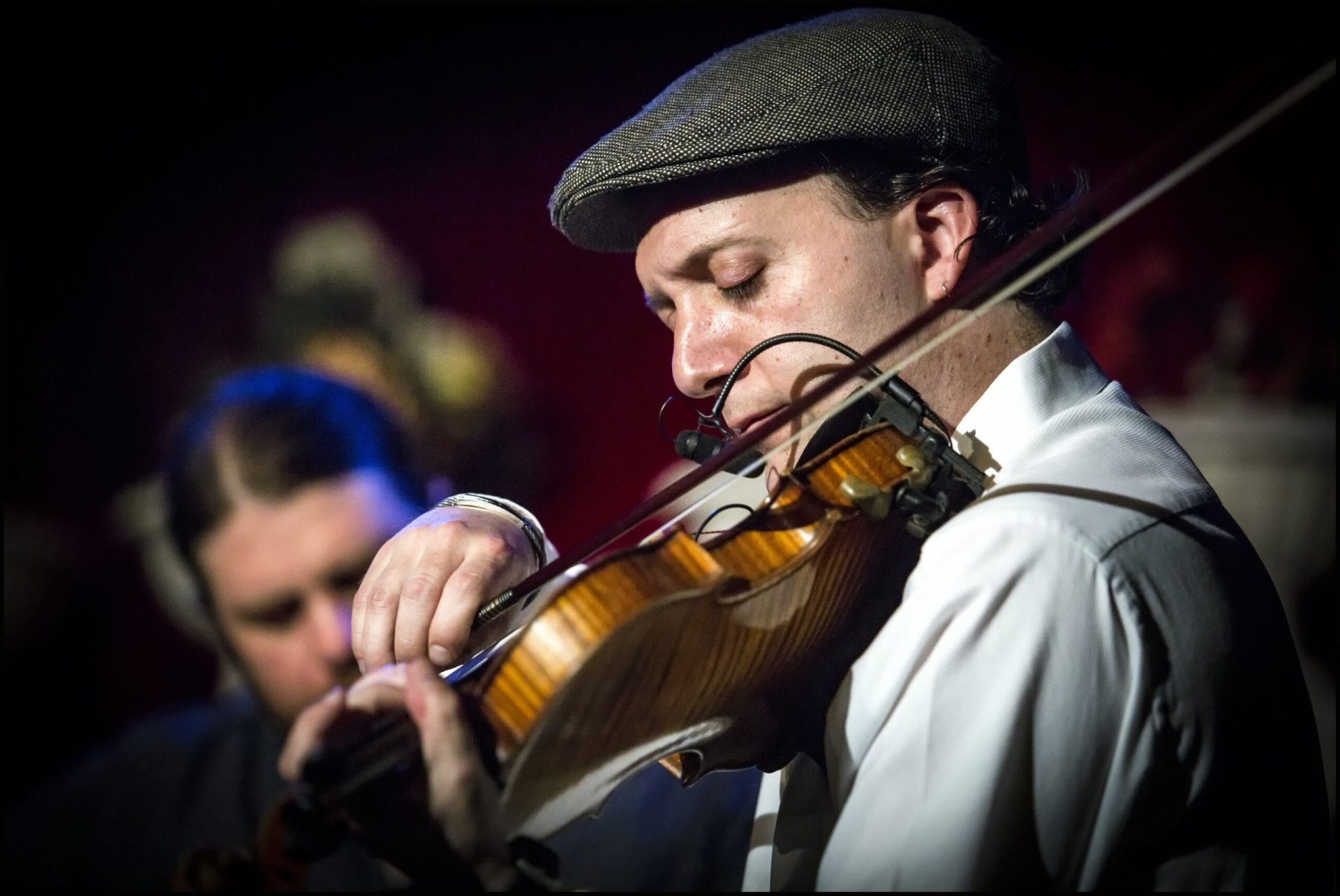
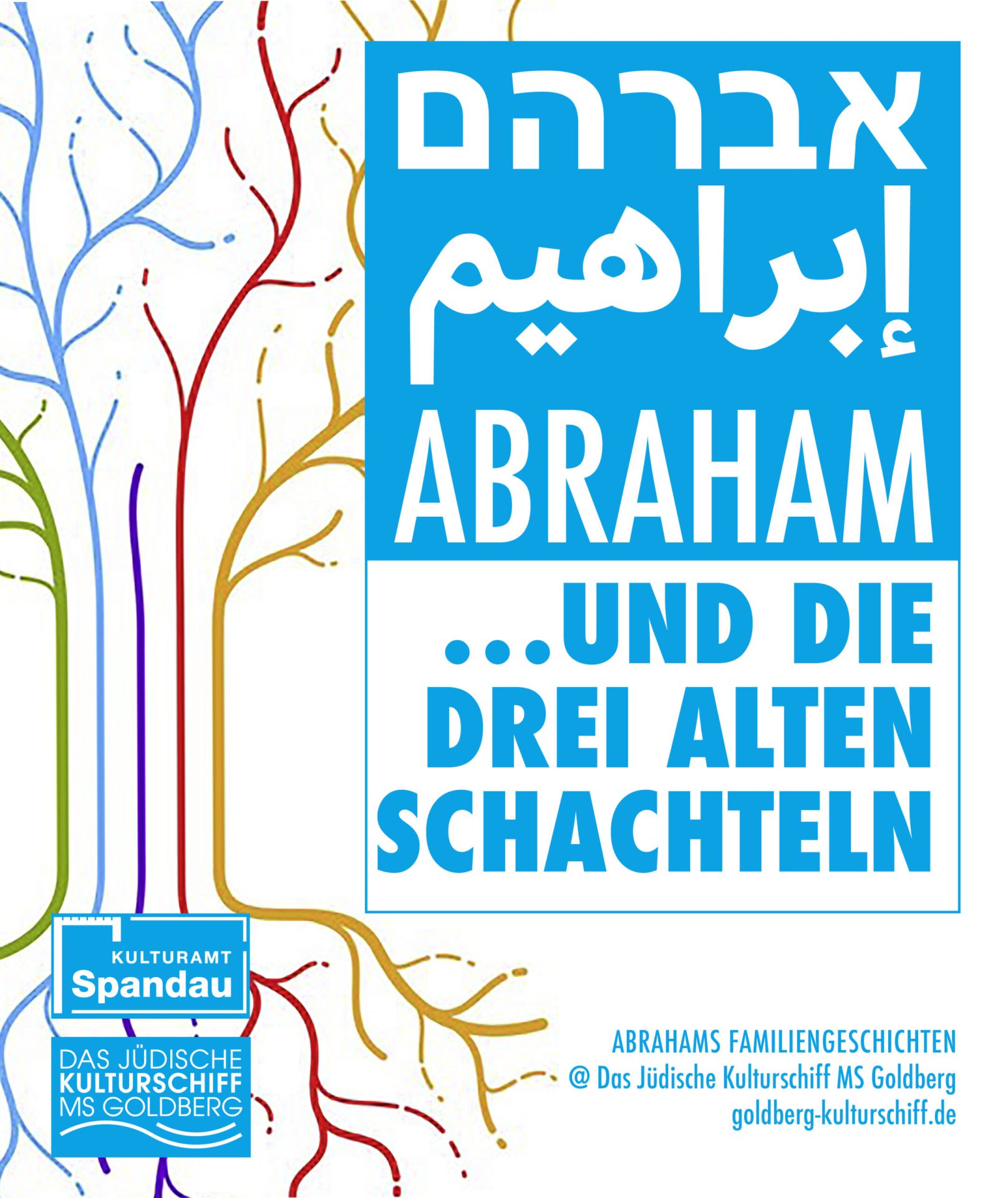
With „Abraham’s Family Stories,“ the MS Goldberg pursued an ambitious mission in terms of content and social impact: Rooted in the Jewish cultural scene, the program featured not only Jewish artists but also those from Islam and Christianity, showcasing music and themes. The goal was to make the connections between religions and cultures tangible and emotionally accessible to the widest possible audience.

The location itself contributes significantly to this mission. As a former inland freighter, the MS Goldberg possesses a unique aura: a ship is inherently a place outside of everyday life, carrying a diverse range of people and cultures. It is more accessible than a traditional, gated cultural institution and can change its berth to reach different audiences in different locations. However, these changes of location also require a specific approach to engaging and building audiences at each venue.

Those who come aboard the MS Goldberg are completely satisfied with the performances and the overall experience: Visitor satisfaction is exceptionally high. The successful combination of music and texts, the opportunities for questions, discussion, and exchange, as well as the focus on everyday stories, humor, and connecting elements between religions, contribute significantly to its success. At the same time, a development perspective has been identified: For the younger audience, which has been less represented so far, specific new productions and formats should be developed in the future, in the spirit of a platform organization with partners such as art schools.
Clear strengths and potential are also evident in communication. Currently, the audience in Berlin comes primarily from Spandau—the current berth—and the surrounding districts. Personal recommendations, spontaneous walk-in visitors, and the extensive newsletter distribution list—unusual for a young institution—have proven particularly effective. In the future, a stronger „platformization“ of communication could further increase reach: Collaboration with program partners and network stakeholders will allow for more targeted communication with specific audiences and the development of new audience segments.
The evaluation’s overall conclusion is very positive: MS Goldberg has already laid the groundwork for successful future development. With its clear profile, unique venue, and openness to collaborative structures, it possesses excellent prerequisites for sustainably expanding its audience. In a time of increasing social polarization, it will thus be even more effective in dismantling prejudice and building bridges between religions and cultures through vibrant and positive experiences.
Cultural Education in Times of Tight Budgets

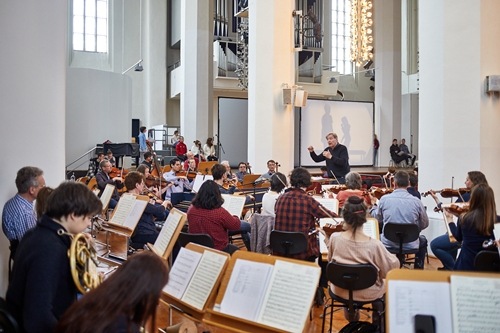
Evaluating Education Projects of the Brandenburg State Orchestra Frankfurt (Oder)

In autumn 2025, the IKMW (Institute for Cultural and Media Research) completed its evaluation of the Brandenburg State Orchestra Frankfurt (Oder) (BSOF)’s latest series of education projects, entitled „Spannungsfelder“ („Areas of Tension“). (The IKMW report can be downloaded here.)

The „Spannungsfelder“ projects were developed during the final months of the COVID-19 pandemic. They had to be implemented under a dual challenge: reduced funding compared to previous BSOF education projects and the widespread uncertainty affecting all areas of society as a result of the pandemic and its consequences.

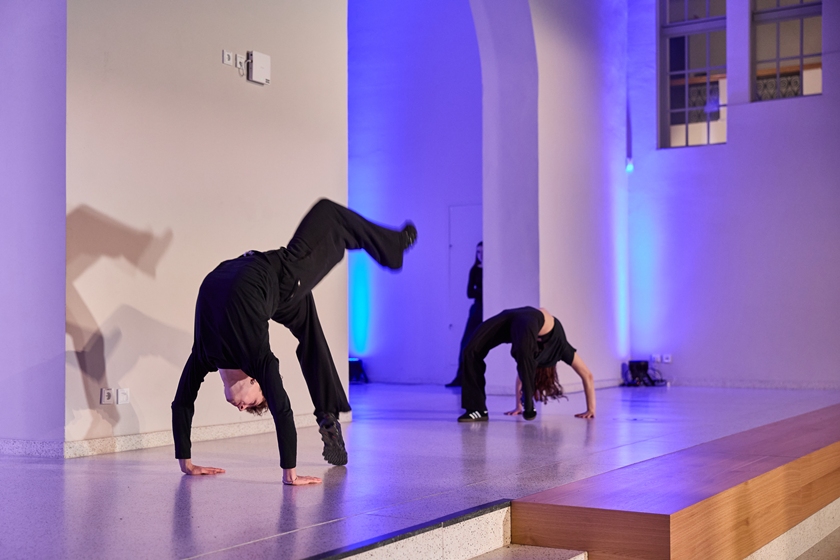
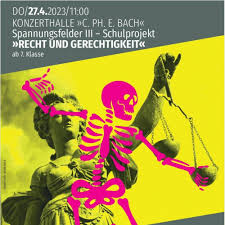
The „Spannungsfelder“ projects were developed during the final months of the COVID-19 pandemic. The societal uncertainty was thus consistently addressed in the artistic content: Each iteration of the „Spannungsfelder“ series focused on a tension between seemingly contradictory or ambivalent concepts: „Musik und Technik“ („Music and Technology“, 2020/21), „East Meets West“, 2021/22), „Recht und Gerechtigkeit“ („Law and Justice“, 2022/23), „Lüge und Wahrheit“ („Lies and Truth“, 2024/25), and „Angst und Mut“ („Fear and Courage“, 2024/25).

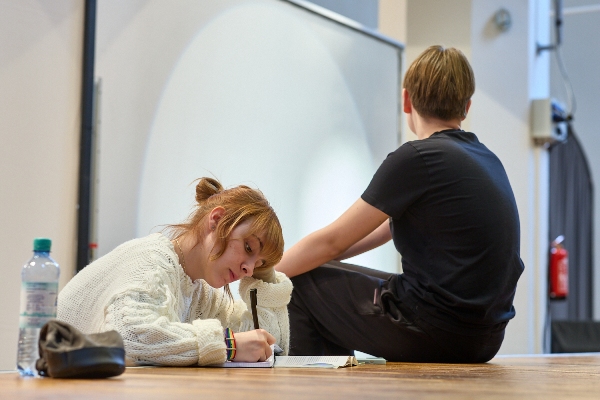
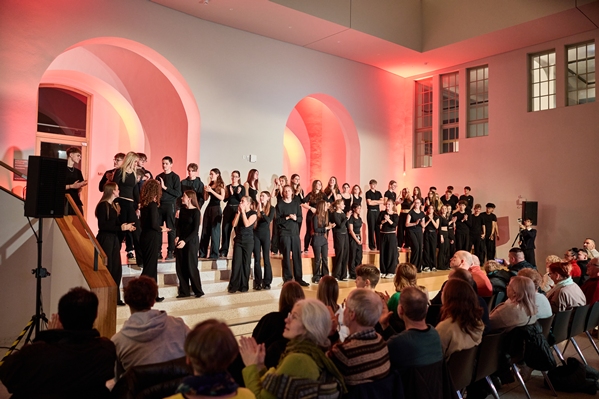
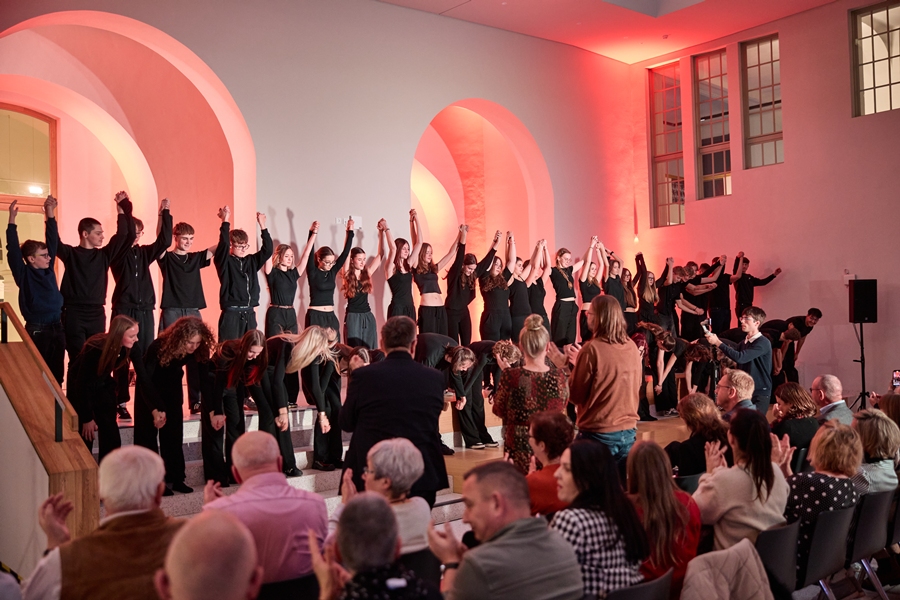
A musical program was conceived around each of these pairs of concepts. Under the direction of Howard Griffith and an internationally experienced choreographer, interdisciplinary music and performance pieces were developed and presented to large audiences by students from a German school in Frankfurt (Oder) and a Polish school from the partner city of Słubice.

Due to reduced funding following the end of the Swiss Drosos Foundation’s support for BSOF’s education projects in 2019, the „Spannungsfelder“ projects were implemented with fewer students and without the intensive rehearsals at the schools throughout the school year. However, the aspect of German-Polish cooperation was more pronounced. The number of German and Polish students in the new projects was roughly equal, making successful bilingual and trilingual collaboration crucial to the projects‘ success. It was therefore logical that these cross-border cooperation projects in the rural German-Polish border region were funded under the EU’s Interreg program.

Even with reduced funding and increased challenges, BSOF remained committed to implementing projects that provide formative experiences for the participating students and thus serve as models for other or future projects. The IKMW evaluation demonstrated that impressive and effective educational projects can be realized even with more limited resources: While the shortened development and rehearsal periods understandably resulted in less perceived freedom to experiment and develop new skills, the students‘ pride in their achievements and the positive feedback from their families were comparable to those of previous large-scale projects.

The aforementioned limitations also highlight the fact that smaller projects, given the smaller group sizes and limited development and rehearsal time, require even more careful conception, planning, and implementation.

The success factors identified by the IKMW can be summarized as follows: The interplay of the two ancient cultural techniques of play and celebration is crucial for the direct impact on the students. The productive combination of artistic play and performative events leads to an experience of freedom and self-determination. Specifically, the following must be ensured:

  • The students‘ contribution must be recognizable and tangible for them.
  • Key positions such as musical and choreographic direction must be filled by charismatic figures who inspire identification.
  • For crucial developmental phases, third-party venues outside the school or cultural institution should be sought.
  • The students‘ partners in the artistic process should be professional artists with an approachable, pedagogical attitude.
  • Full-fledged pieces and narratives should be developed and performed on equally full-fledged stages.
  • Multilingual collaboration should be facilitated by multilingual staff or interpreters and by specific group-building methods.

To have a lasting impact beyond individual projects, the interplay between school, home, orchestra, choreographers, and intermediary organizations should be understood and shaped as an educational ecosystem. This means:

  • The formal educational space of the school remains the central site of activity. Relationships with partner schools and ongoing communication with school administration and teachers are essential foundational work.
  • Cultural institutions act as incubators and accelerators. To ensure continuity as a platform for ever-new projects, cultural education should be permanently anchored in the budget and organizational structure.

IKMW Expands

Art and culture-based urban projects are at the heart of the IKMW’s “Triple B” project in Berlin, in collaboration with the Central Academy of Fine Arts (CAFA) in Beijing and the 11_11 Foundation in Budapest. This project, in partnership with student groups and emerging cultural managers from the three metropolises, focuses on practical projects at the intersection of district development, aesthetic education, neighborhood development, and “third places.” Klaus Siebenhaar, Distinguished Professor at CAFA, and Daniel Ongjert, co-founder of the Hungarian 11_11 Foundation and a recent addition to the management team, will jointly lead the development and management of diverse activities, ranging from exhibitions and spatial research to structural practices, for Chinese students, particularly in Budapest.

The following video gives an impression of the successful German-Chinese-Hungarian collaboration project „Art Clinic“ in Budapest:

Art and culture-based urban projects are at the heart of the IKMW’s “Triple B” initiative in Berlin, with the Central Academy of Fine Arts (CAFA) in Beijing and the 11_11 Foundation in Budapest. The collaboration does not start from scratch: the successful larger and smaller exhibition projects in Berlin and Budapest (“Art Clinic”, “Timehouse”, “Berlin-Beijing-Boheme”) provided valuable experience and reinforced the desire for continuous cooperation, which focuses particularly on the international academic development of young talent.

Reinforcement

Daniel Ongjerth takes over “International Projects”

Daniel Ongjerth, co-founder of the 11_11 Foundation in Budapest, will join the IKMW leadership team at the beginning of 2026. Based in Budapest, he will manage international projects focusing on cultural ecosystems and urban development. Due to his many years of expertise in arts and culture-based community building and successful project collaborations with the IKMW before and during the pandemic, he will be jointly responsible for the “Triple B” project with the Central Academy of Fine Arts (CAFA) in Beijing, effective immediately.

Bohemians on the Road

Seminar and Exhibition Project Berlin-Beijing-Budapest Successfully Completed

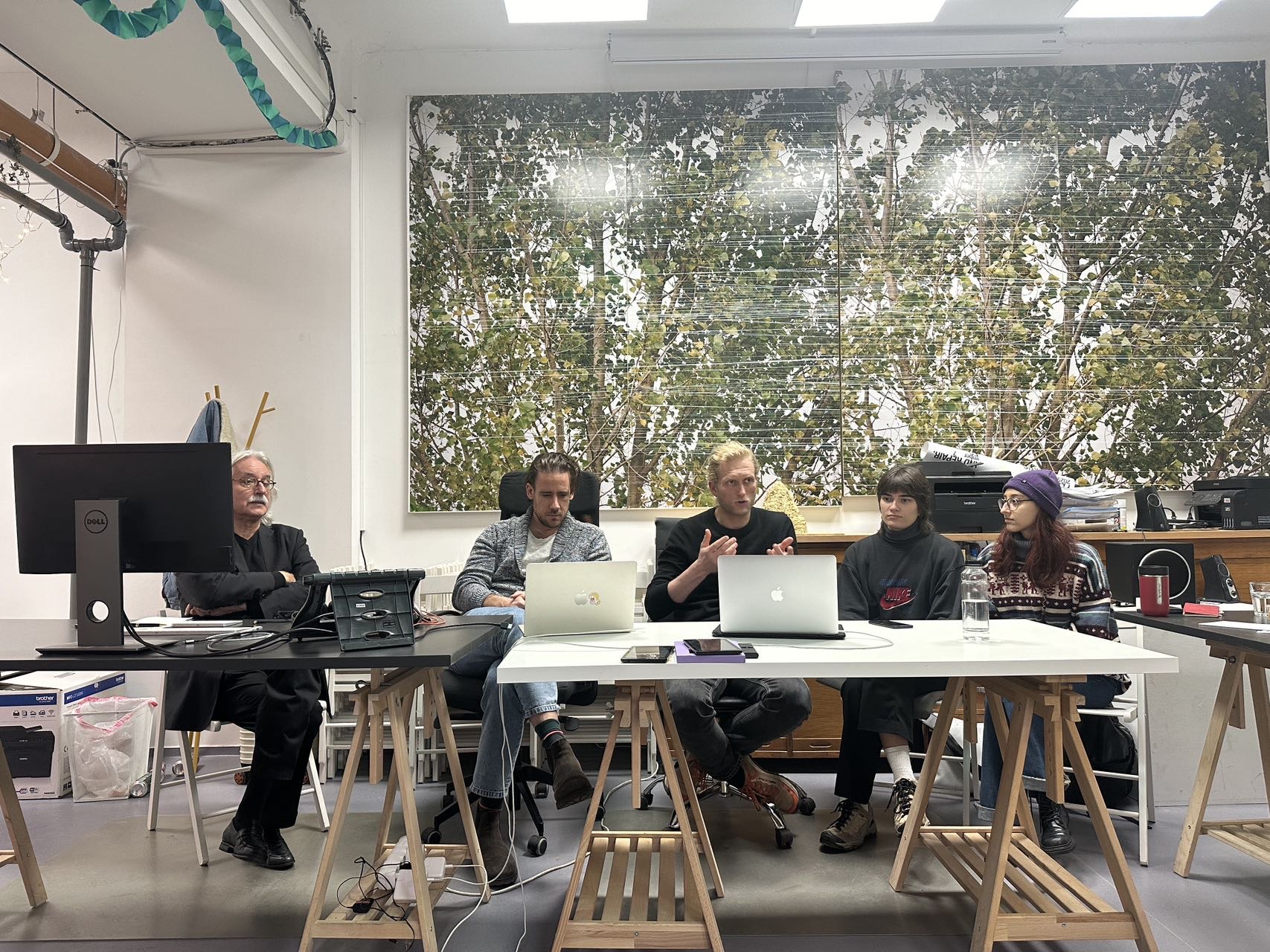
This long-term seminar and exhibition project on the European Bohemian scene and its contemporary subcultural transformations began in the Summer semester of 2024 at the Free University of Berlin in the Department of Philosophy and Humanities and was revisited in a modified form in the Winter semester of 2024/25 at the Central Academy of Fine Arts (CAFA) in Beijing.

After the seminars concluded, student project teams in Berlin and Beijing embarked on archival and field research, exploring the Bohemian scene of today.

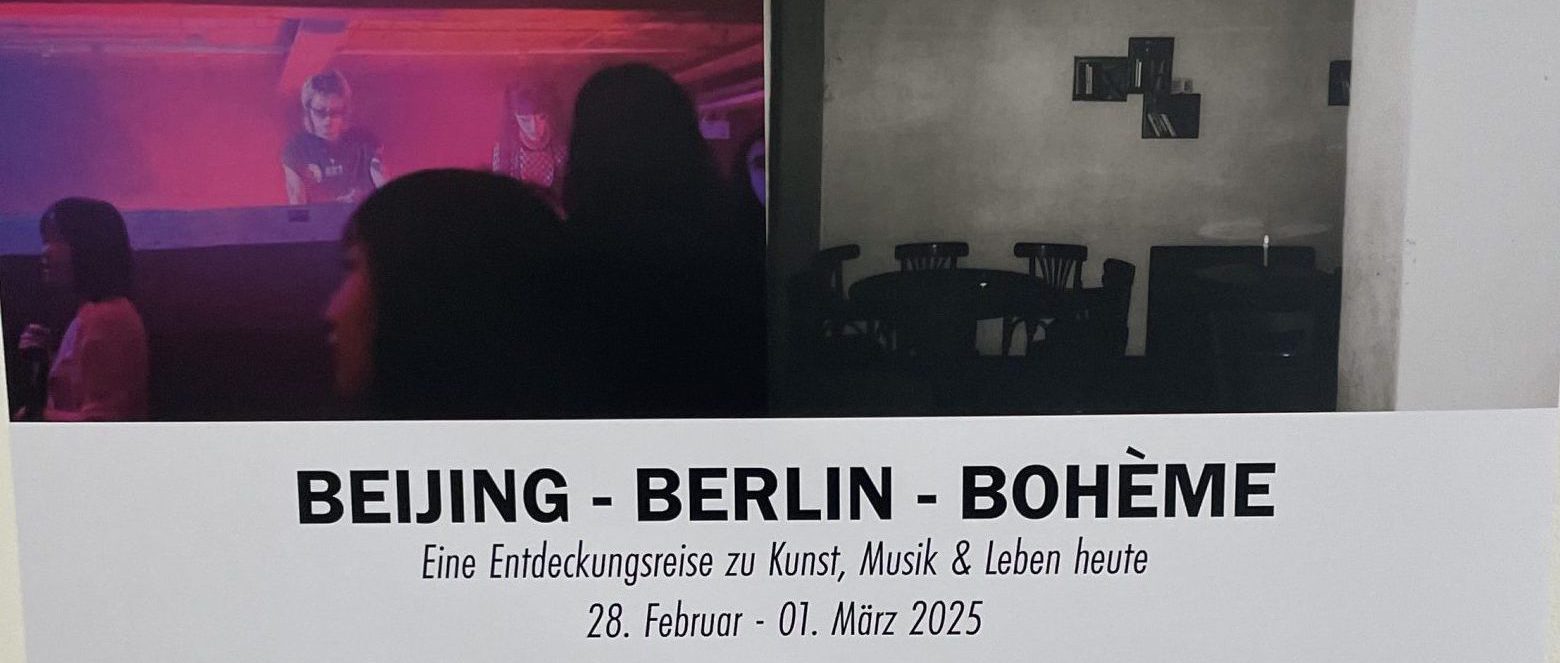
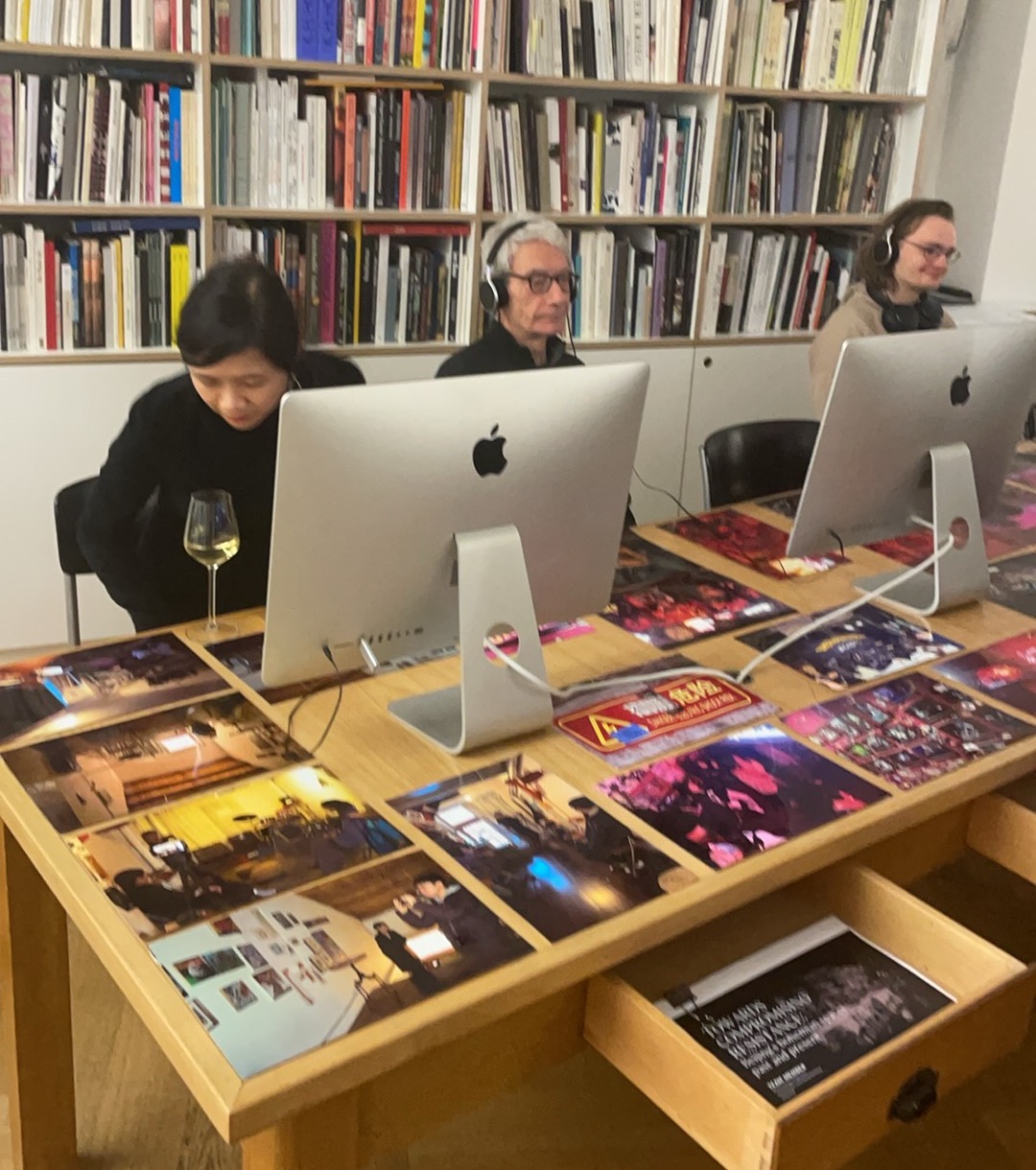
This resulted in a catalog of highly diverse subcultural formations, which were initially presented in a „cabinet of curiosities,“ a „lab,“ at the Galerie Friese in Spring 2025 as „Beijing-Berlin-Bohemian.“ At the same time, a hybrid curatorial practice was tested: the Chinese project teams participated via Zoom, while the Berlin working group set up the pop-up exhibition (3 days). Galerie Friese considered this temporary, experimental „expansion“ a resounding success and welcomed further collaboration in this constellation.

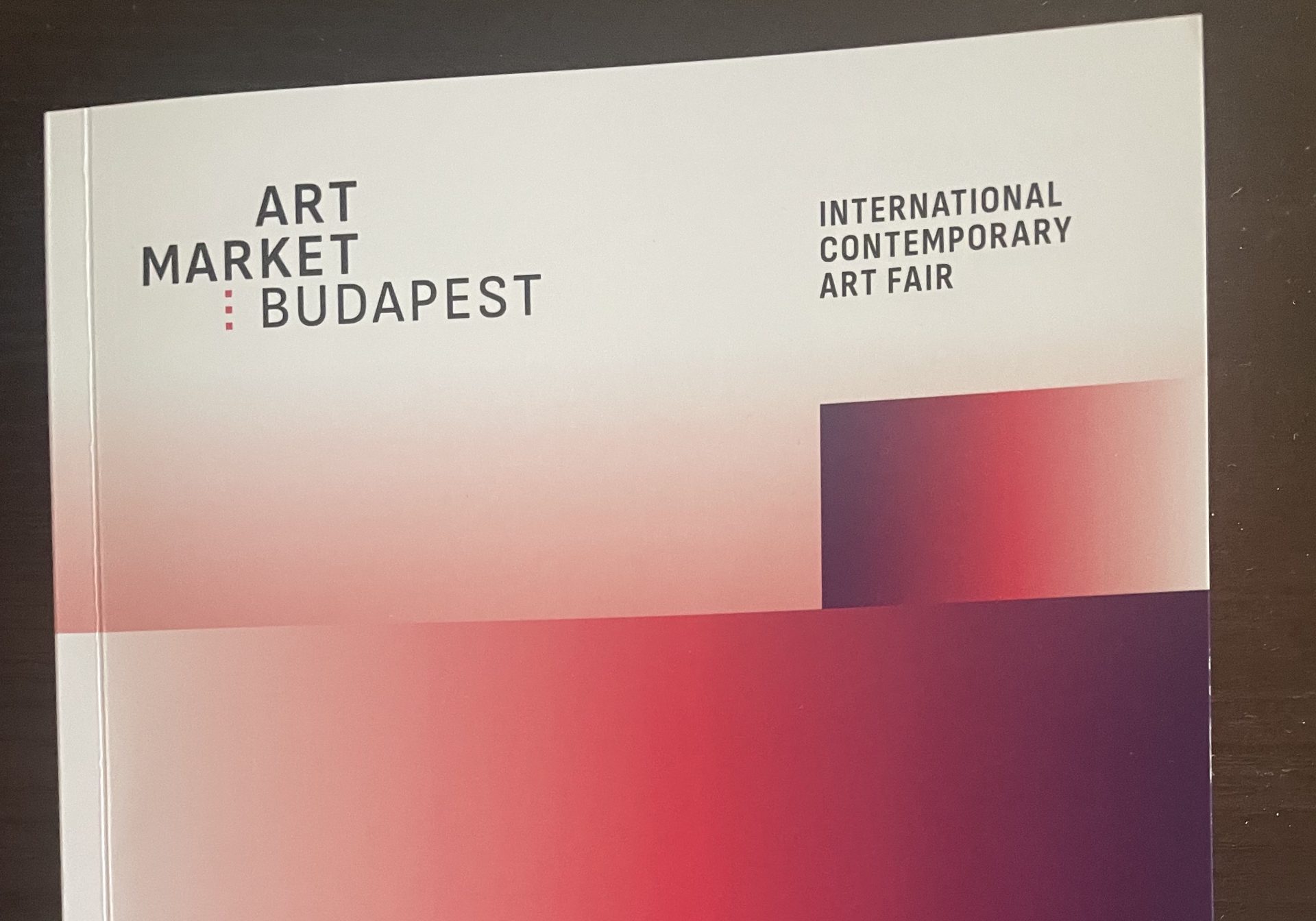
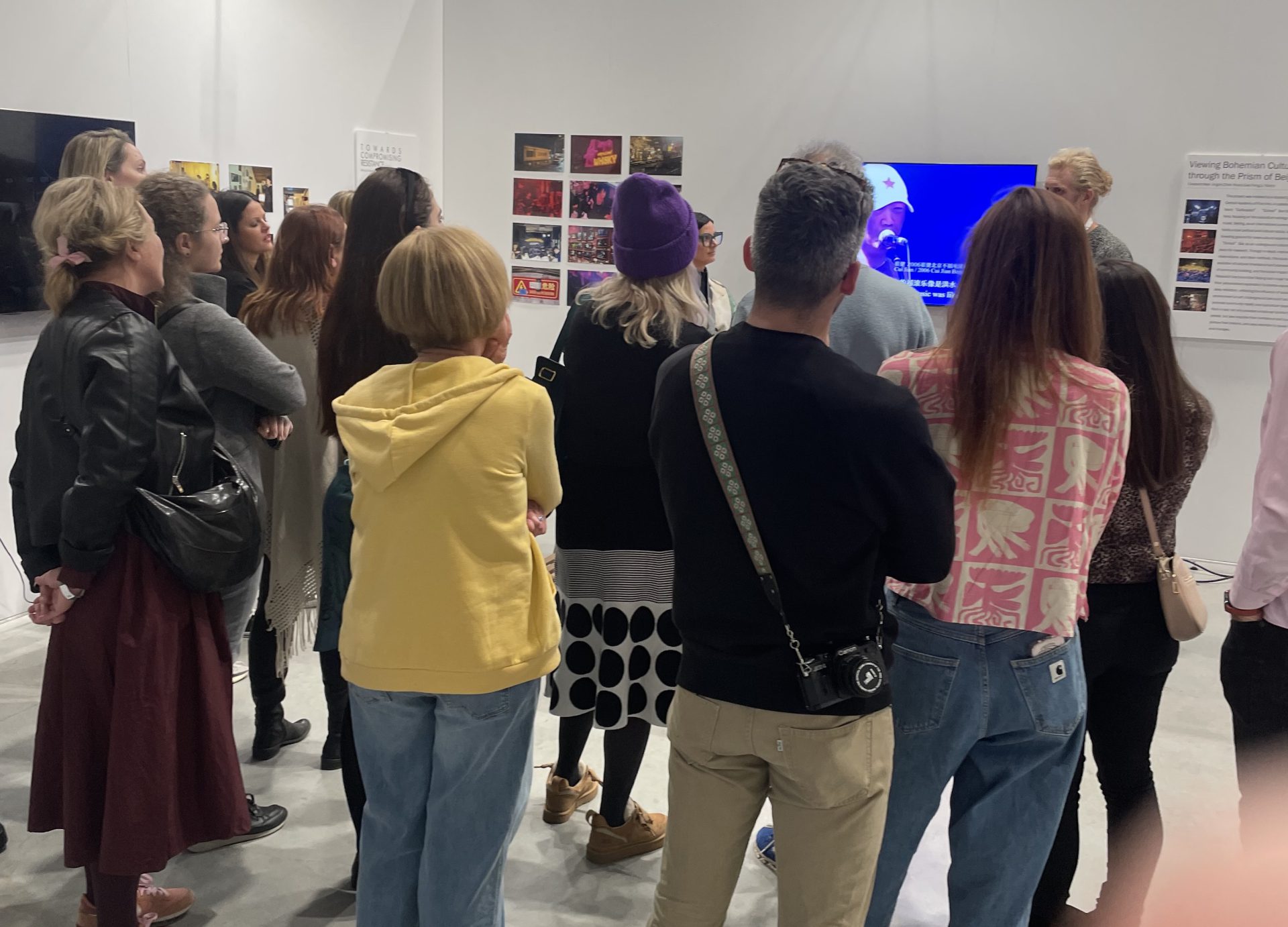
For the Budapest Contemporary Art Fair, a modified curatorial concept was implemented with the Budapest gallery „11_11,“ focusing entirely on the „Beijing Bohemian“ scene and reworking the Beijing video, photo, and text material for a traditional exhibition booth. The art fair appearance, which took place from October 15 to 19, 2025, proved to be a surprise success with the Budapest audience (including a large Chinese community) in the area of ​​the photo galleries, generating numerous inquiries and discussions about the subject matter and its context. This also revived the „Berlin-Beijing-Budapest axis“ in a „post-pandemic“ way.

Bochum – a Music School for Everyone?

User Research for the Music School Bochum

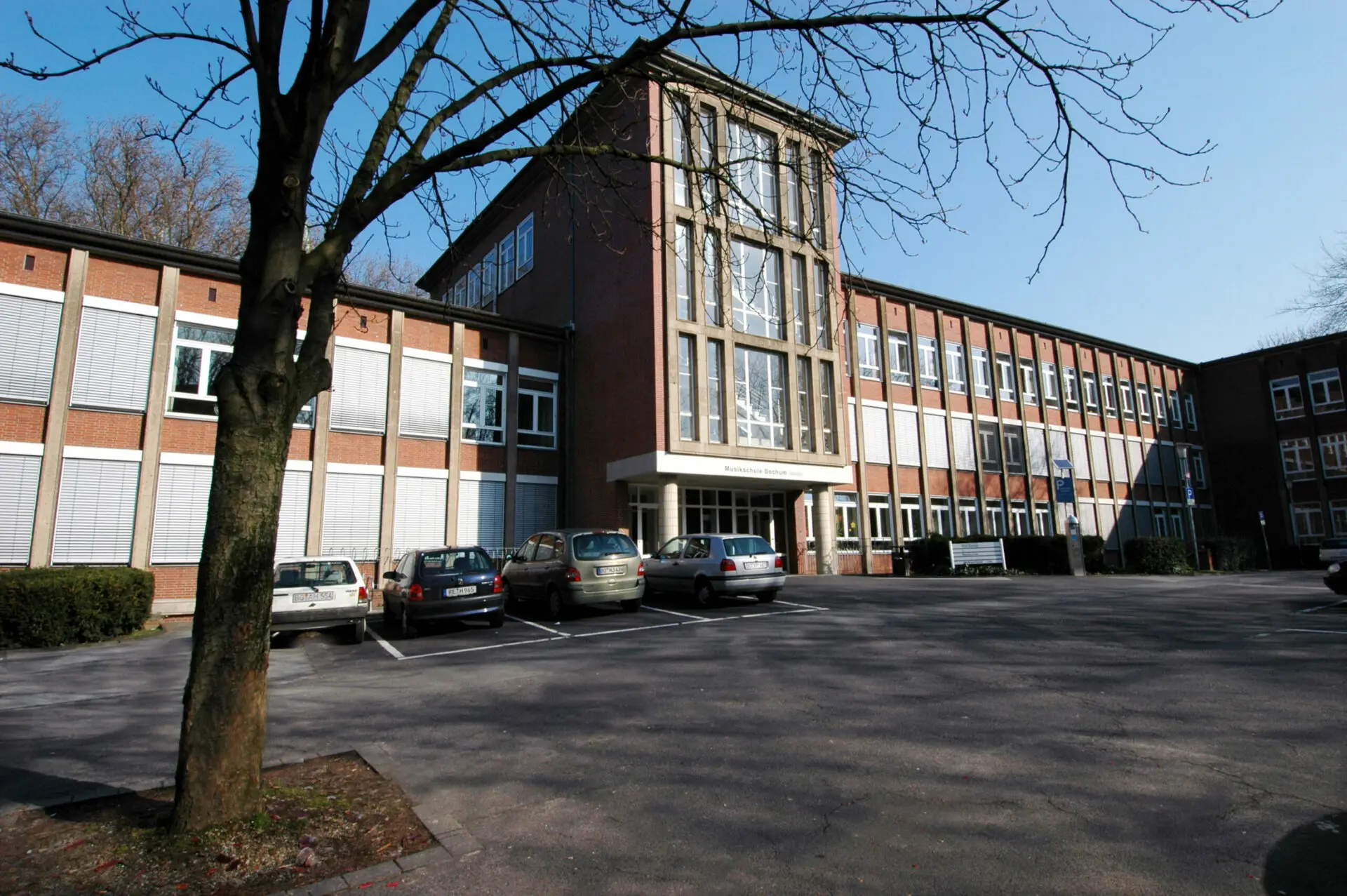
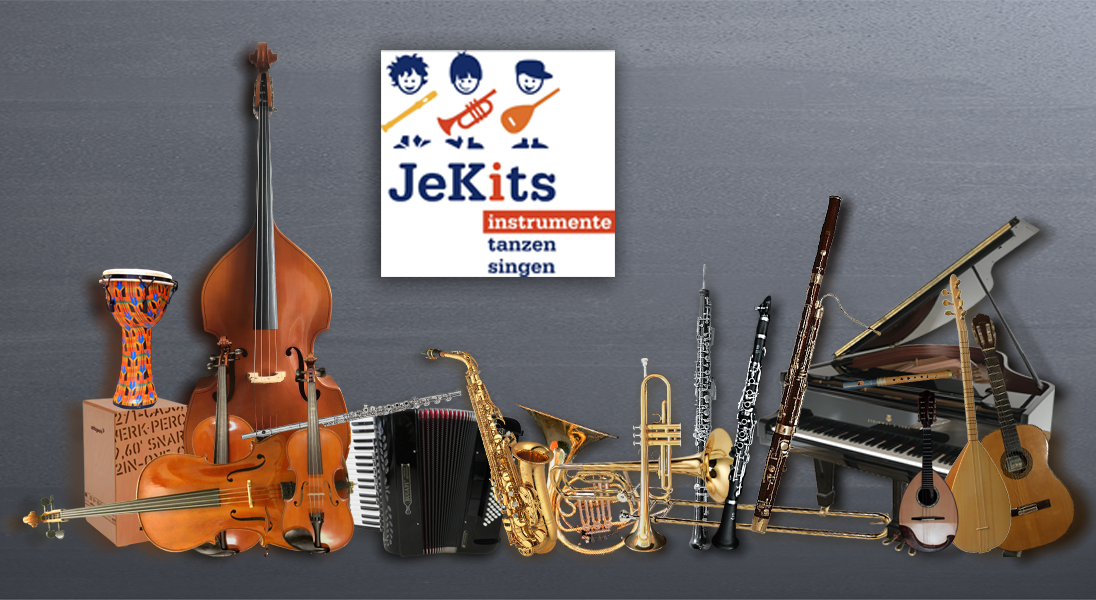
In Spring 2024, the IKMW conducted a comprehensive study on Germany’s largest music school in Bochum – the inventors of the JeKits (Every Child an Instrument or Dance) program. The aim was to determine whether in accordance with the Music School’s self-image and mission it could win over the Society of Bochum in all its diversity for the music school’s offerings, how the music school’s offerings are rated by its users, and what image the music school creates as a result. Questionnaires and group discussions were used to examine three target groups that were considered particularly relevant for anchoring music in a person’s life: parents of six months- to three-years-olds, elementary school students from grades 1 to 4 participating in the JeKits lessons, and young instrumental and singing students of theMusic School Bochum aged 14 to 18.

The results confirm the great effectiveness of the approach developed at the Bochum Music School under the name JeKits, which allows all primary school pupils in Bochum to take part in specific lessons in the 1st grade, conducted by teachers from the Music School together with primary school teachers – followed by voluntary instrumental or singing lessons from the 2nd to the 4th grade. In the 1st grade, all Bochum residents in this cohort are thus reached with a tailor-made musical education offer. But even in the voluntary instrumental or singing lessons in grades 2 to 4, the proportion of people with an immigrant  or non-academic background is higher than in the other user groups. At the same time, the evaluations of the work of the teachers are just as excellent as those of the Bochum Music School as a whole – across all three areas analysed.

Nevertheless challenges are also becoming clear: One desideratum is to get young people with an immigrant background and a non-academic background more interested in the music school after the offers in primary school. Starting points could be lessons on instruments from the cultures of origin, but also offers related to youth cultures such as hip hop or electronic music. In view of the success of the JeKits program, integration into the formal educational environment – the schools – would be the best way to really reach „everyone“ with these offers.

Curtains shut? Curtains up!

Lecture at Conference of the Evangelische Akademie Loccum

For two days the conference „Vorhang zu?“ („Curtains shut?“) at the Evangelische Akademie Loccum convened representatives of theatres, scientists and journalists, discussing future perspectives and roles of theatres – with a specific focus on the situation in the state of Lower Saxony. (Find the conference’s agenda to download here: Vorhang zu_Agenda)

From the research and publications of the IKMW, Klaus Siebenhaar contributed central trend in composition, behaviour and expectations of theatre audiences – together with recommendations regarding the choice of target groups, programming policies, enhancing atmosphere and visitor’s experience as well as state-of-the-art communication with the post-pandemic public. (Find the slides for the lecture to download here: Vorhang auf_Loccum_24-01-16)

City – Theatre – Public

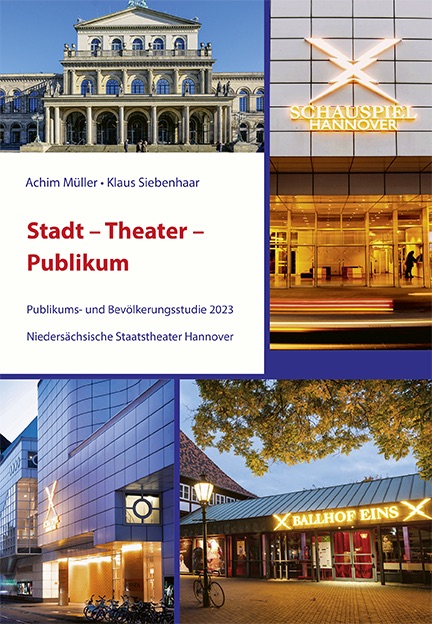
Audience and Population Study for the Niedersächsische Staatstheater Hannover published

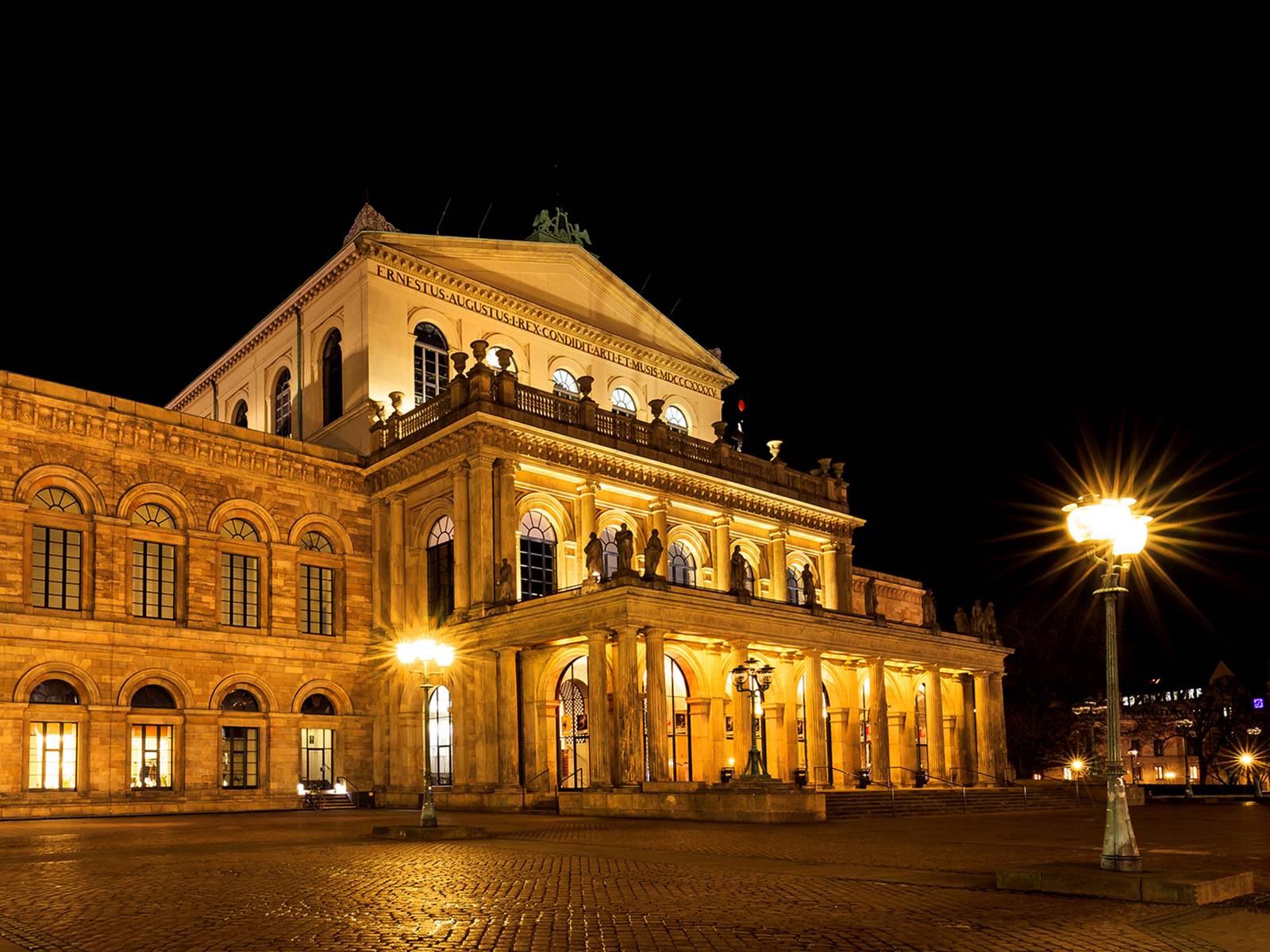
The Niedersächsische Staatstheater Hannover are one of the most long-standing and largest German Three-Genre-Theater houses, exemplary for artistic diversity and proximity to citizens. Not least because of this it has commissioned this study that is now available as a book.

It is the first comprehensive post-pandemic research, including both the general population and the audience encountered in the performances. It gives insight into the theatre audience’s socio-demographic profiles, residencies and motivations, but also into new orientations or preferences of former visitors.

Beyond the example of the Niedersächsische Staatstheater the research conveys valuable general data-based and contextualized findings for regaining inactive are newly acquiring abstinent target groups.

At the Niedersächsischen Staatstheater Hannover the IKMW together with several departments have already begun to develop concrete measures from the research, to prepare and accompany their implementation. The results are now at hand, the work in the theatres can begin.

The book is available at B&S Siebenhaar Verlag+Medien:

Achim Müller und Klaus Siebenhar:
Stadt – Theater – Publikum
Publikums- und Bevölkerungsstudie 2023
Niedersächsische Staatstheater Hannover

B&S SIEBENHAAR VERLAG + MEDIEN OHG
www.siebenhaar-verlag.de
ISBN: 978-3-949111-15-0
25,00 Euro | 34,80 CHF

„Bürger-Stimmen“ – „People’s Voices“

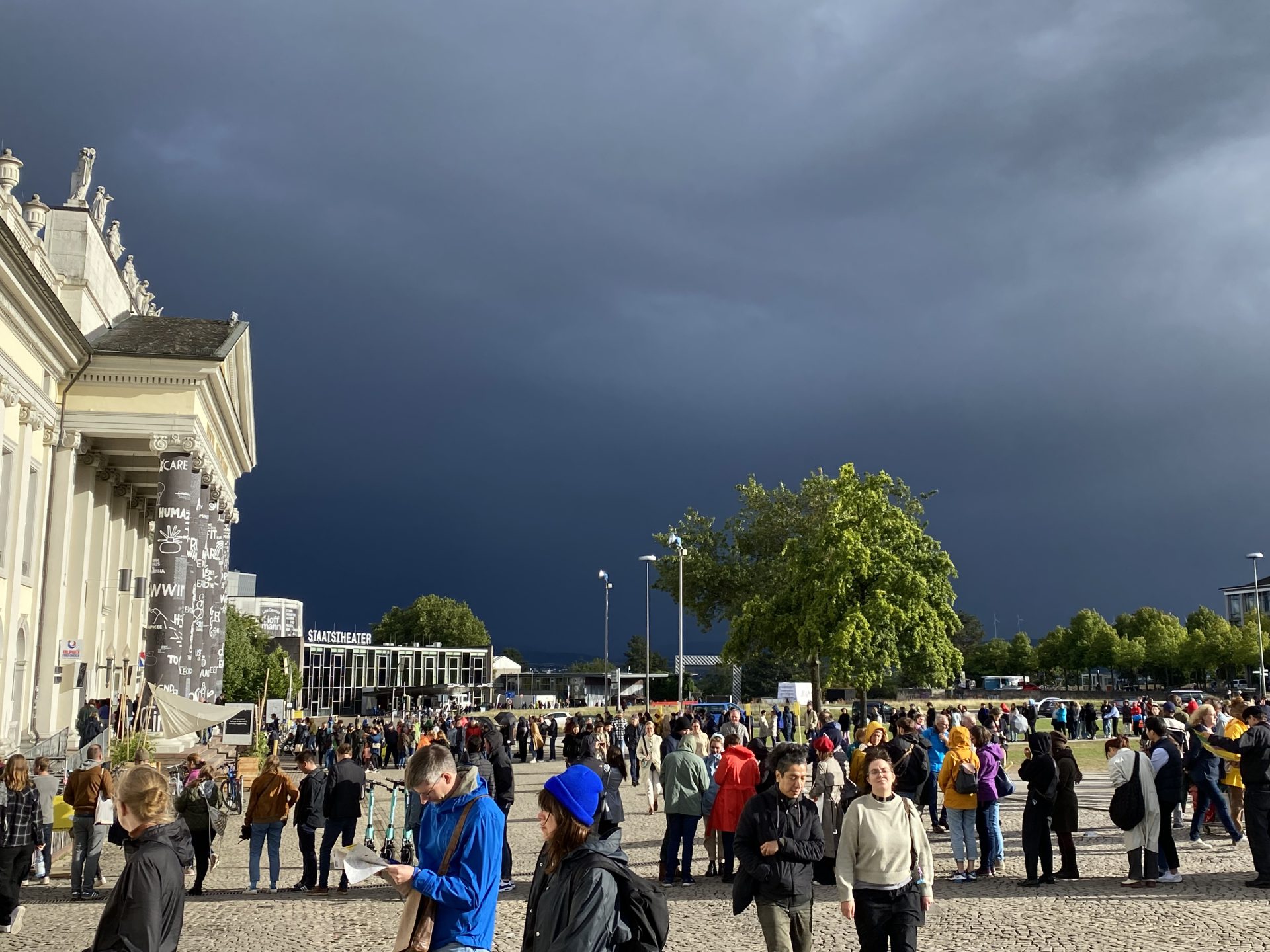
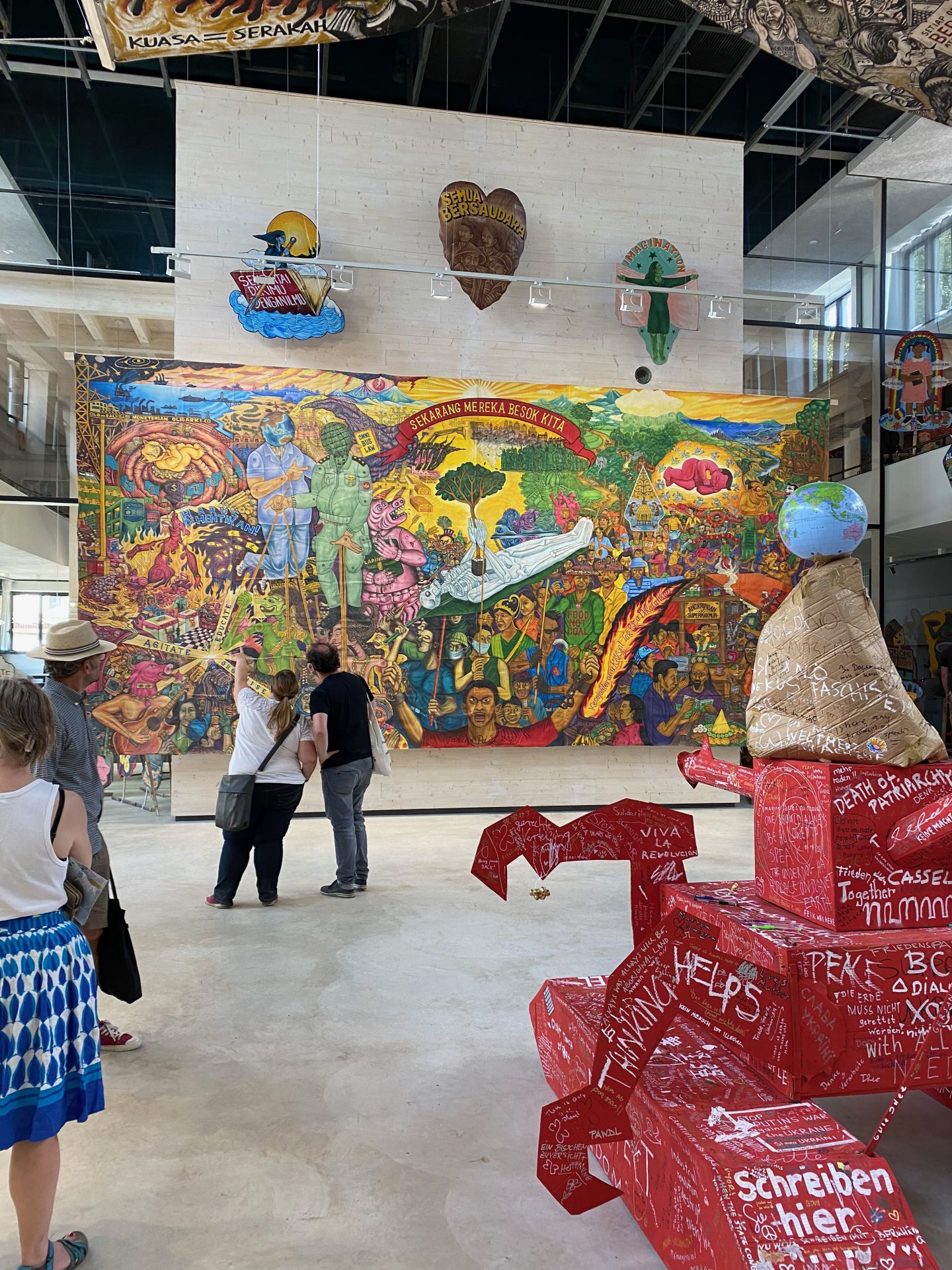
Like few other art event the documenta fifteen is dividing the public: A very critical, sometimes scandal-evoking media public is facing a public of visitors „on site“ in Kassel that is rather characterised by curiosity, openness and an exploratory mindset.

Commissioned and supported by the „Bürgerbündnis documenta fifteen“ (Citizens‘ Alliance documenta fifteen), this setup was incentive enough for the IKMW to give the visitors‘ and citizens‘ voices a possibility to express themselves through interviews, reports and essayistic text on a curated website.  In the course of the last weeks of documenta and in the months to come they will for the first time grow into a work-in.progress „citizens‘ book.


Art heals!

Hungarian-Chinese-German „Art Clinic“ opened in Budapest

On the weekend 13/14 May 2022 the „First Aid-Art Clinic” was opened in Budapest’s Bartok-Distrikt (11. District) as a part of the Budapest “Sprig Festival”. The art project was developed over the course of almost five months in a cooperation between the Central Academy of Fine Arts (CAFA) Beijing, the Eleven Blokk Art Foundation, Budapest, and the IKMW Berlin, a cooperation that was unconventional both organizationally and in the manner of curating. As a hybrid format with “distance curating”, diglog field research and a concrete physical realization in five real sites in Budapest, the “Art Clinic developed into a successful, very well frequented art event. At the same time it proved an exemplary creative model for international cooperation under times of the pandemic. There will be further projects of this kind in the constellation Budapest-Berlin-Beijing following this encouraging experiences and outcomes.

Building on the core idea that art heals the ten upcoming curators from China and Hungary developed a narration comprising five stations: „Show Your Wound“, „Land of Demons“, „Cross the Boarder, Ferryman“, „Wonderland Cythera“ and „Paradise: Arcadia“. A path from hurt toward eventual healing is represented and told with different artistic formats from Hungarian and Chinese artists.