Resarch and Publications

IKMW performs empirical research in the areas of arts, media and education. The scope of research ranges from visitor and user research across arts market research in national and international contexts to feasibility studies for projects and arts infrastructure, business sector analysis as well as research on trend in media/media cultures. Specifically this includes studies at the intersection of arts, technology, organization development and cultural communication/education (see TADE 21). Selected studies are published continuously.

Publications from the work of the IKMW

Achim Müller, Klaus Siebenhaar: Kulturelle Bildung mit langem Atem. In: Rückblick Ausblick. Leitfaden zur deutsch-polnischen Kulturvermittlung.  Frankfurt (Oder), 2025 (You can download the brochure here.)
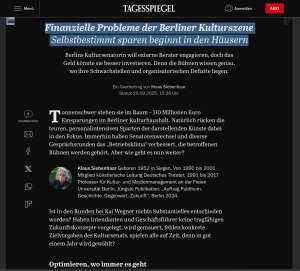
Klaus Siebenhaar: Finanzielle Probleme der Berliner Kulturszene: Selbstbestimmt sparen beginnt in den Häusern. Tagesspiegel, 29.05.2025 (Find the article here!)
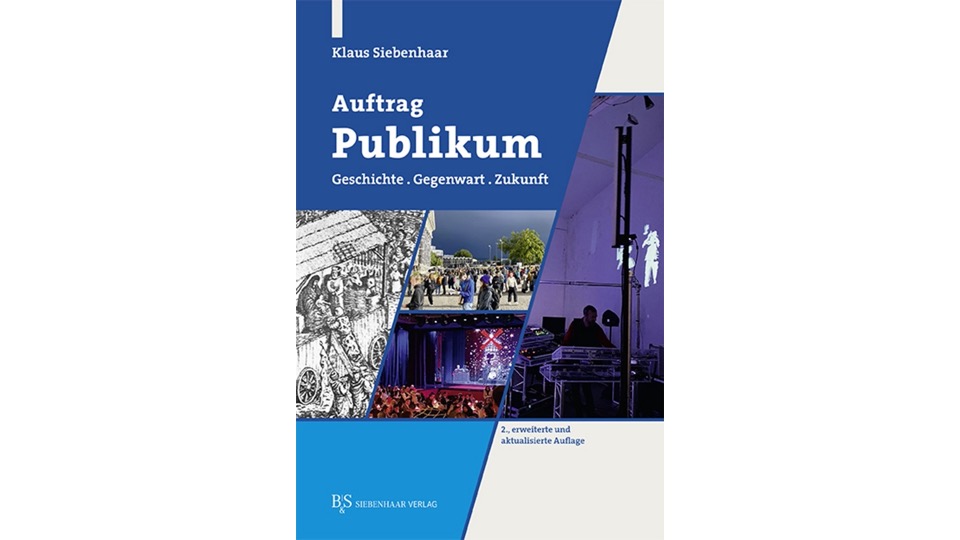
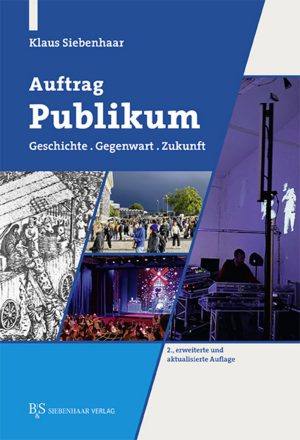
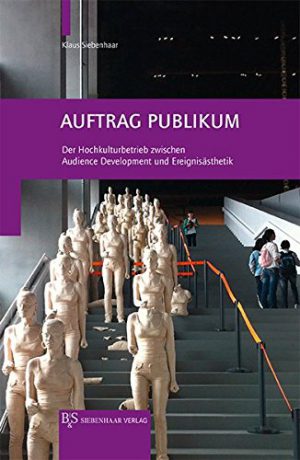
Klaus Siebenhaar: Auftrag Publikum. Geschichte. Gegenwart. Zukunft. 2nd, expanded and updated edition. Berlin 2025
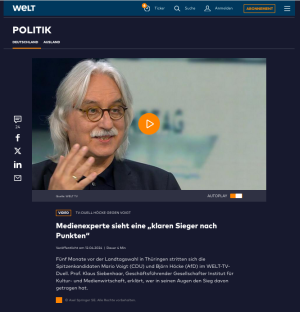
Klaus Siebenhaar: TV-Duell Höcke gegen Voigt: Medienexperte sieht eine „klaren Sieger nach Punkten“. Interview on welt.de. 2024.
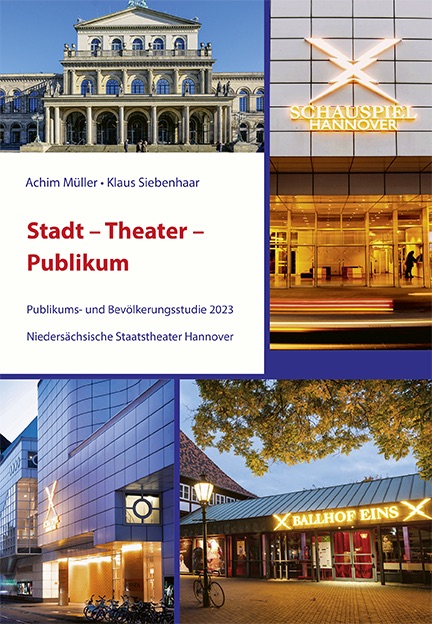
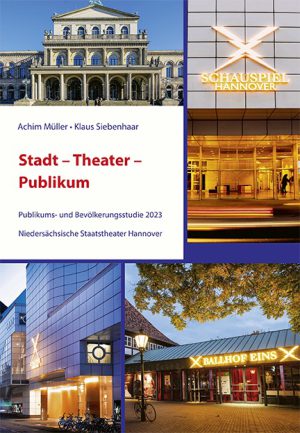
Achim Müller, Klaus Siebenhaar: Stadt – Theater – Publikum. Publikums- und Bevölkerungsstudie 2023 Niedersächsische Staatstheater Hannover. Berlin 2023
(You can download the Content pages here: Stadt-Theater-Publikum_Content)
Klaus Siebenhaar, Achim Müller (eds.): Timehouse: Where are we NOW? Booklet for the exhibition at the Löwenpalais Berlin. Berlin 2023.
Klaus Siebenhaar, Achim Müller: Real time Extended reality Applications and Languages to Innovate creative industries‘ Narratives – Impact Study and Policy Recommendations. Berlin 2022.
(You can download the Content page here: Real-In_Impact Study_Content)
Klaus Siebenhaar: Schlesinger-Affäre: So schafft man sich selbst ab. Berliner Morgenpost online, updated 15.08.2022.
(You can download the article here: Schlesinger-Affäre Großer Schaden für den RBB)
Klaus Siebenhaar: Cosmos Beuys. Art – World View – documenta. Berlin 2022.
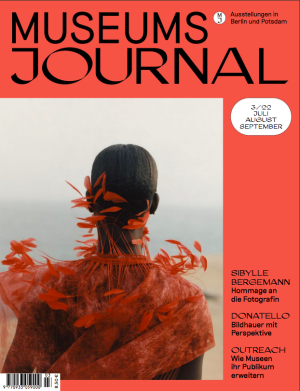
Klaus Siebenhaar: Traum von der Teilhabe. Was Kulturinstitutionen zur Erhöhung ihrer
Reichweite leisten können – und was nicht. In: Museumsjournal, Issue 3/22.
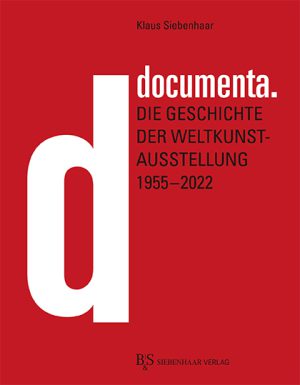
Klaus Siebenhaar: documenta. Die Geschichte der Weltkunstausstellung. Berlin 2022.
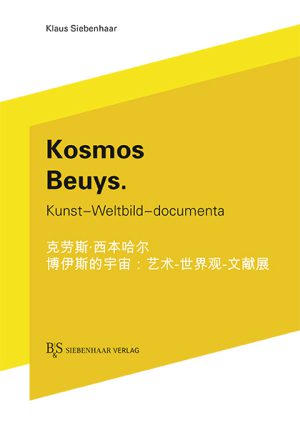
Klaus Siebenhaar: Kosmos Beuys. Kunst – Weltbild – documenta. Peking/Berlin 2021.
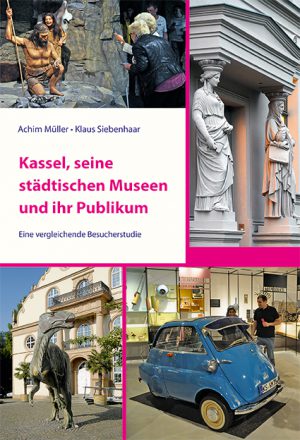
Achim Müller, Klaus Siebenhaar: Kassel, seine städtischen Museen und ihr Publikum. Eine vergleichende Besucherstudie, Berlin 2020.
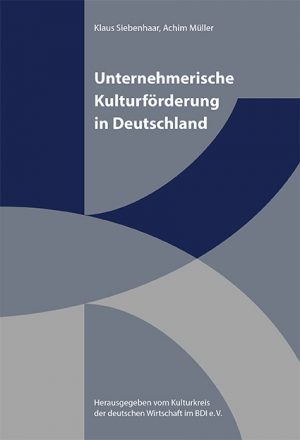
Klaus Siebenhaar, Achim Müller: Unternehmerische Kulturförderung in Deutschland, Berlin 2019.
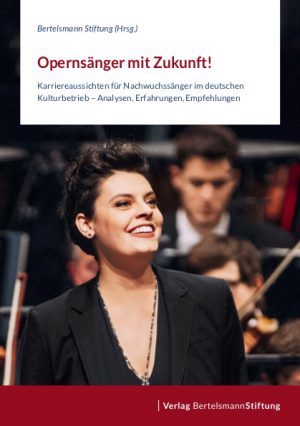
Klaus Siebenhaar, Achim Müller: Opernsänger mit Zukunft! Karriereaussichten für Nachwuchssänger im deutschen Kulturbetrieb – Analysen, Erfahrungen, Empfehlungen, Gütersloh 2019.
(You can download the Content pages here: Opernsaenger mit Zukunft_Content)
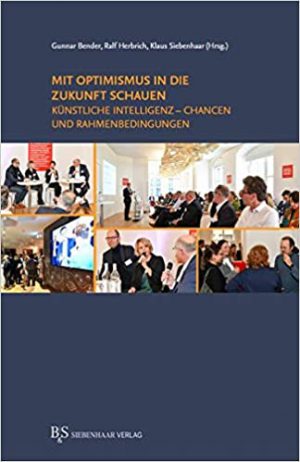
Gunnar Bender, Ralf Herbrich, Klaus Siebenhaar (Hrsg.): Mit Optimismus in die Zukunft sehen. Künstliche Intelligenz – Chancen und Rahmenbedingungen. Berlin 2018.
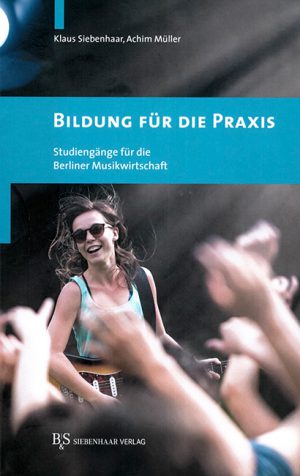
Klaus Siebenhaar, Achim Müller: Bildung für die Praxis. Studiengänge für die Berliner Musikwirtschaft, Berlin 2018.
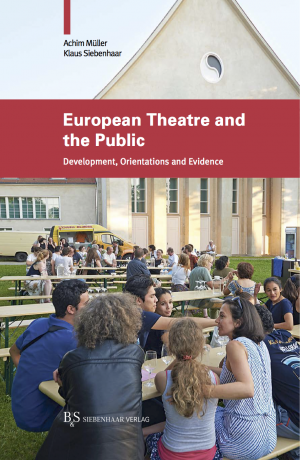
Achim Müller, Klaus Siebenhaar: European Theatre and the Public. Development, Orientations and Evidence, Berlin 2016.
Klaus Siebenhaar: Auftrag Publikum. Der Hochkulturbetrieb zwischen Audience Development und Ereignisästhetik, Berlin 2015.
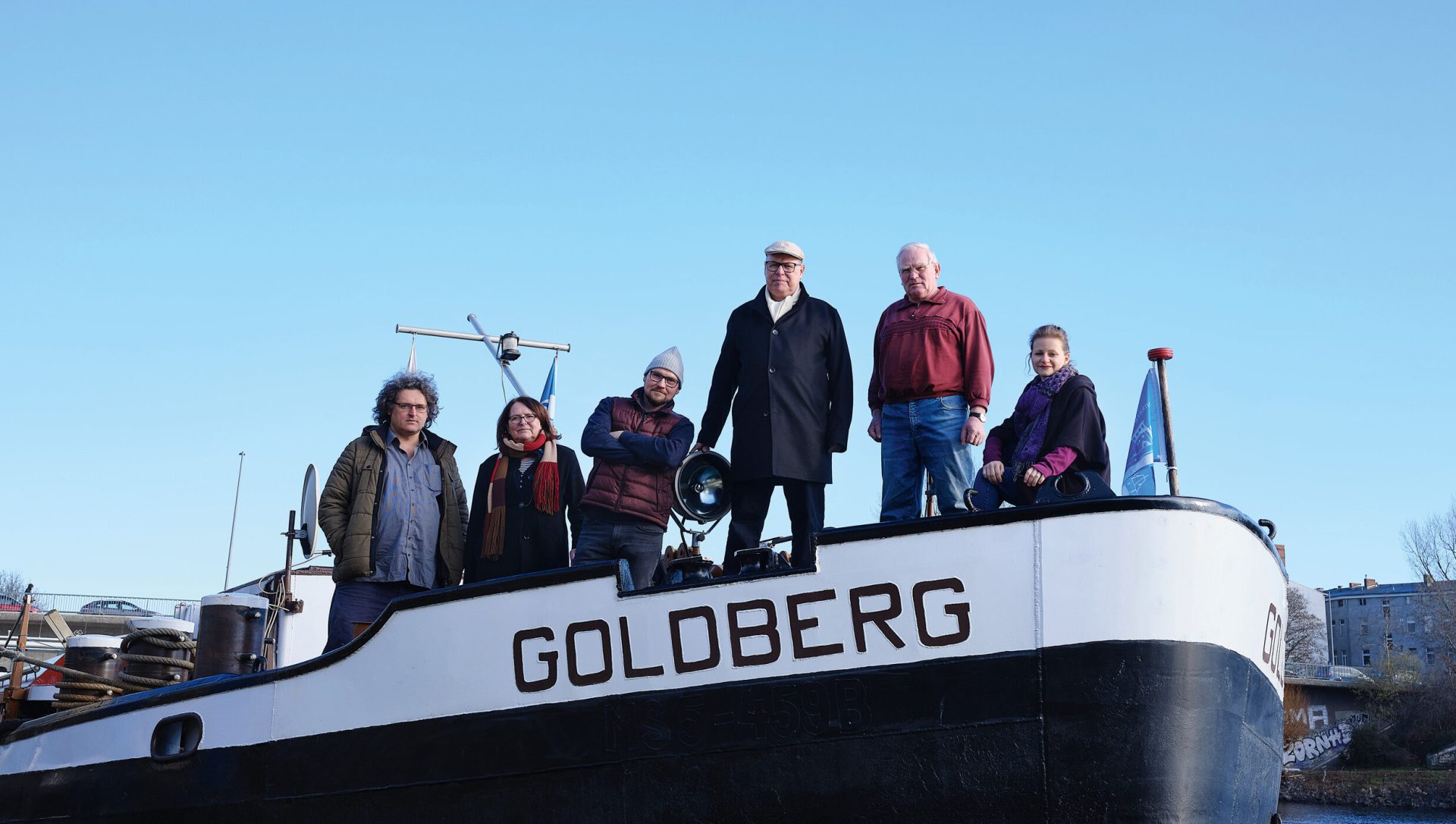
A Ship Will Come!

Interreligious Project of the „Jewish Cultural Ship MS Goldberg“ Evaluated

In the second half of 2025, the IKMW (Institute for Cultural and Media Research) had the opportunity to accompany an exceptional cultural institution in an equally special endeavor: The Institute conducted a comprehensive evaluation of the „Abraham’s Family Stories“ program of the „Jewish Cultural Ship MS Goldberg,“ including future scenarios and recommendations.

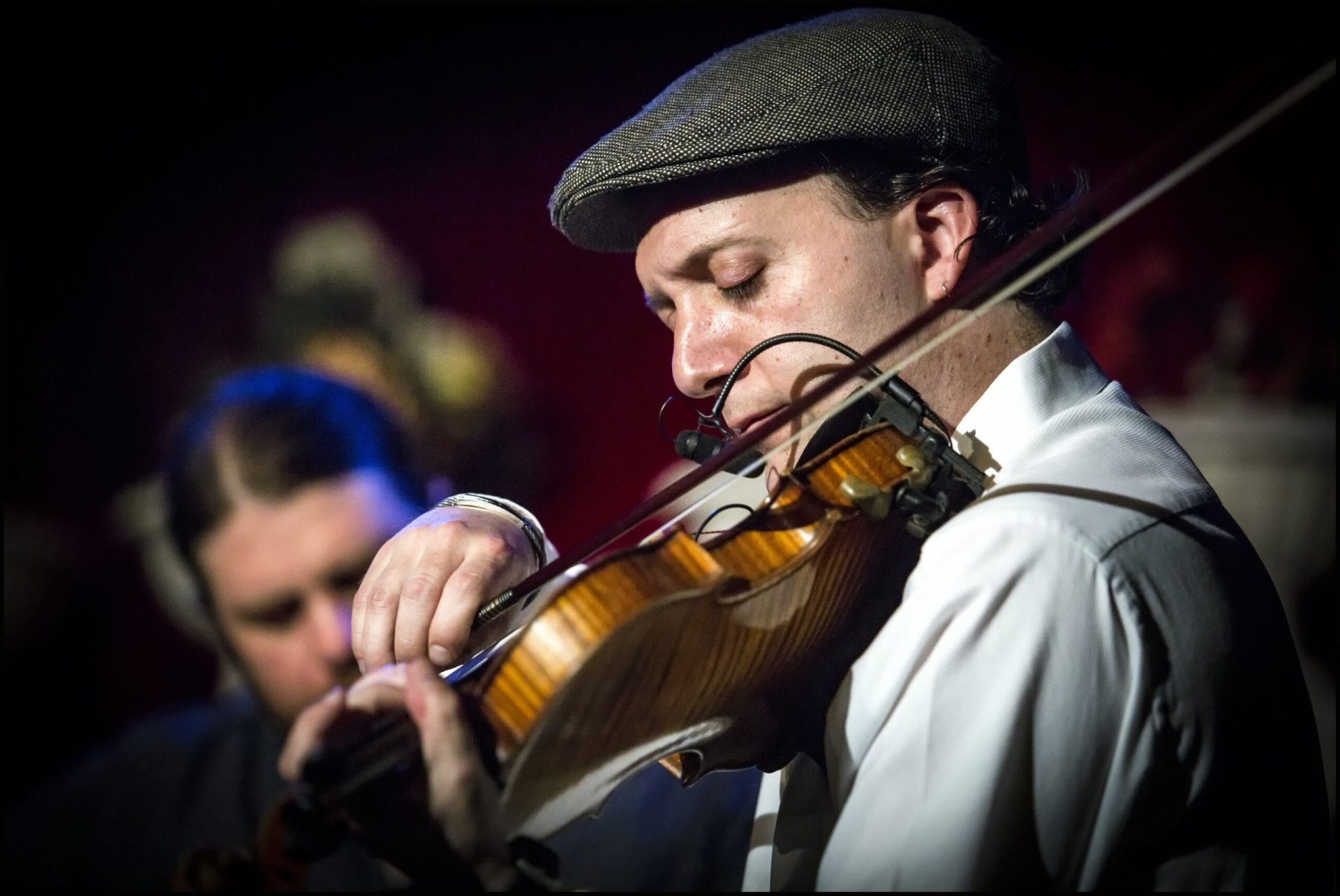
With „Abraham’s Family Stories,“ the MS Goldberg pursued an ambitious mission in terms of content and social impact: Rooted in the Jewish cultural scene, the program featured not only Jewish artists but also those from Islam and Christianity, showcasing music and themes. The goal was to make the connections between religions and cultures tangible and emotionally accessible to the widest possible audience.

The location itself contributes significantly to this mission. As a former inland freighter, the MS Goldberg possesses a unique aura: a ship is inherently a place outside of everyday life, carrying a diverse range of people and cultures. It is more accessible than a traditional, gated cultural institution and can change its berth to reach different audiences in different locations. However, these changes of location also require a specific approach to engaging and building audiences at each venue.

Those who come aboard the MS Goldberg are completely satisfied with the performances and the overall experience: Visitor satisfaction is exceptionally high. The successful combination of music and texts, the opportunities for questions, discussion, and exchange, as well as the focus on everyday stories, humor, and connecting elements between religions, contribute significantly to its success. At the same time, a development perspective has been identified: For the younger audience, which has been less represented so far, specific new productions and formats should be developed in the future, in the spirit of a platform organization with partners such as art schools.

Clear strengths and potential are also evident in communication. Currently, the audience in Berlin comes primarily from Spandau—the current berth—and the surrounding districts. Personal recommendations, spontaneous walk-in visitors, and the extensive newsletter distribution list—unusual for a young institution—have proven particularly effective. In the future, a stronger „platformization“ of communication could further increase reach: Collaboration with program partners and network stakeholders will allow for more targeted communication with specific audiences and the development of new audience segments.

The evaluation’s overall conclusion is very positive: MS Goldberg has already laid the groundwork for successful future development. With its clear profile, unique venue, and openness to collaborative structures, it possesses excellent prerequisites for sustainably expanding its audience. In a time of increasing social polarization, it will thus be even more effective in dismantling prejudice and building bridges between religions and cultures through vibrant and positive experiences.

Cultural Education in Times of Tight Budgets

Evaluating Education Projects of the Brandenburg State Orchestra Frankfurt (Oder)

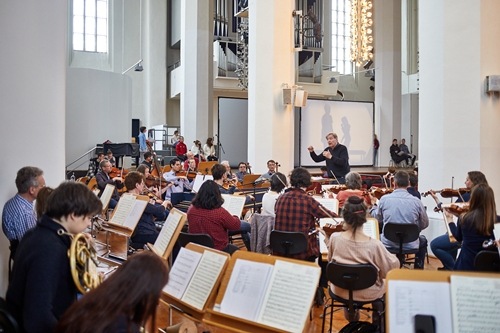
In autumn 2025, the IKMW (Institute for Cultural and Media Research) completed its evaluation of the Brandenburg State Orchestra Frankfurt (Oder) (BSOF)’s latest series of education projects, entitled „Spannungsfelder“ („Areas of Tension“). (The IKMW report can be downloaded here.)

The „Spannungsfelder“ projects were developed during the final months of the COVID-19 pandemic. They had to be implemented under a dual challenge: reduced funding compared to previous BSOF education projects and the widespread uncertainty affecting all areas of society as a result of the pandemic and its consequences.

The „Spannungsfelder“ projects were developed during the final months of the COVID-19 pandemic. The societal uncertainty was thus consistently addressed in the artistic content: Each iteration of the „Spannungsfelder“ series focused on a tension between seemingly contradictory or ambivalent concepts: „Musik und Technik“ („Music and Technology“, 2020/21), „East Meets West“, 2021/22), „Recht und Gerechtigkeit“ („Law and Justice“, 2022/23), „Lüge und Wahrheit“ („Lies and Truth“, 2024/25), and „Angst und Mut“ („Fear and Courage“, 2024/25).

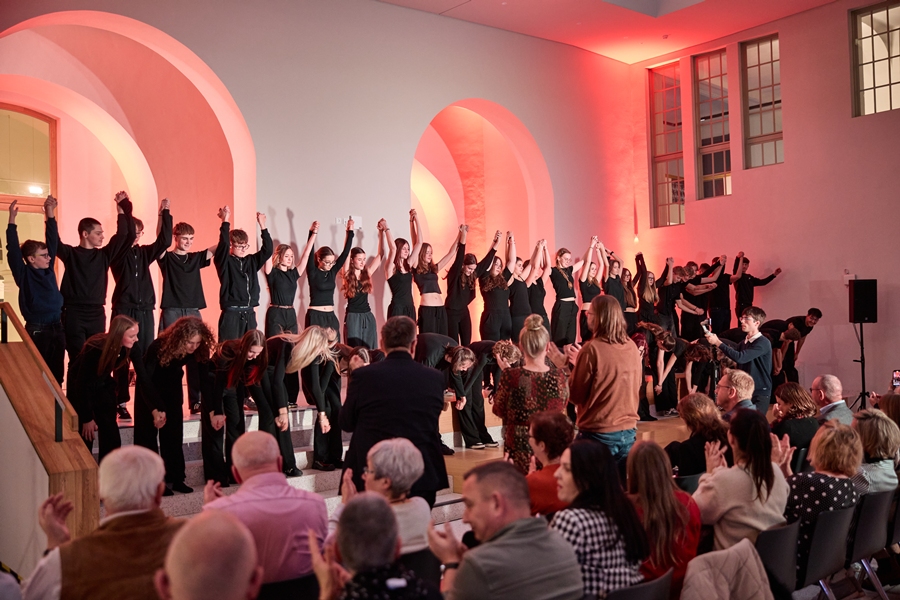
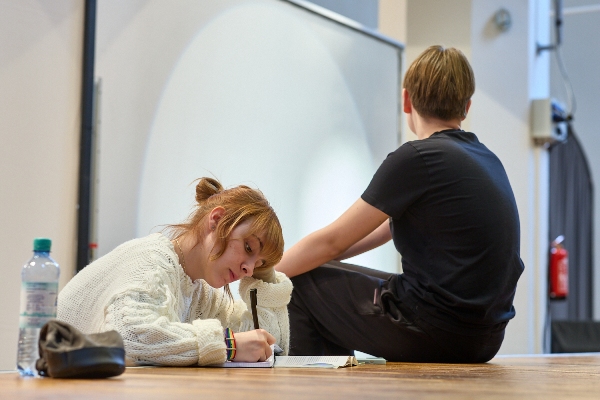
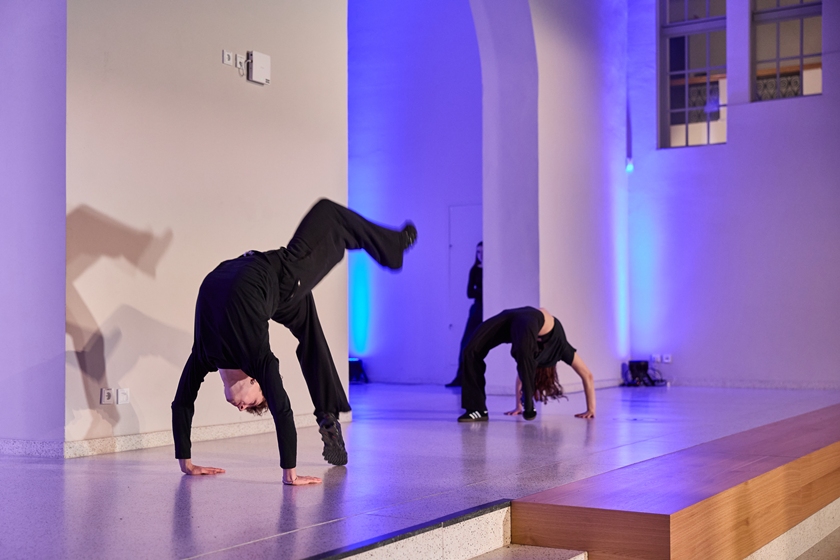
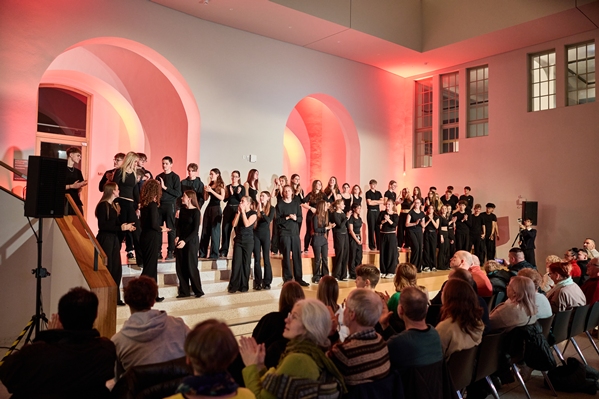
A musical program was conceived around each of these pairs of concepts. Under the direction of Howard Griffith and an internationally experienced choreographer, interdisciplinary music and performance pieces were developed and presented to large audiences by students from a German school in Frankfurt (Oder) and a Polish school from the partner city of Słubice.

Due to reduced funding following the end of the Swiss Drosos Foundation’s support for BSOF’s education projects in 2019, the „Spannungsfelder“ projects were implemented with fewer students and without the intensive rehearsals at the schools throughout the school year. However, the aspect of German-Polish cooperation was more pronounced. The number of German and Polish students in the new projects was roughly equal, making successful bilingual and trilingual collaboration crucial to the projects‘ success. It was therefore logical that these cross-border cooperation projects in the rural German-Polish border region were funded under the EU’s Interreg program.

Even with reduced funding and increased challenges, BSOF remained committed to implementing projects that provide formative experiences for the participating students and thus serve as models for other or future projects. The IKMW evaluation demonstrated that impressive and effective educational projects can be realized even with more limited resources: While the shortened development and rehearsal periods understandably resulted in less perceived freedom to experiment and develop new skills, the students‘ pride in their achievements and the positive feedback from their families were comparable to those of previous large-scale projects.

The aforementioned limitations also highlight the fact that smaller projects, given the smaller group sizes and limited development and rehearsal time, require even more careful conception, planning, and implementation.

The success factors identified by the IKMW can be summarized as follows: The interplay of the two ancient cultural techniques of play and celebration is crucial for the direct impact on the students. The productive combination of artistic play and performative events leads to an experience of freedom and self-determination. Specifically, the following must be ensured:

  • The students‘ contribution must be recognizable and tangible for them.
  • Key positions such as musical and choreographic direction must be filled by charismatic figures who inspire identification.
  • For crucial developmental phases, third-party venues outside the school or cultural institution should be sought.
  • The students‘ partners in the artistic process should be professional artists with an approachable, pedagogical attitude.
  • Full-fledged pieces and narratives should be developed and performed on equally full-fledged stages.
  • Multilingual collaboration should be facilitated by multilingual staff or interpreters and by specific group-building methods.

To have a lasting impact beyond individual projects, the interplay between school, home, orchestra, choreographers, and intermediary organizations should be understood and shaped as an educational ecosystem. This means:

  • The formal educational space of the school remains the central site of activity. Relationships with partner schools and ongoing communication with school administration and teachers are essential foundational work.
  • Cultural institutions act as incubators and accelerators. To ensure continuity as a platform for ever-new projects, cultural education should be permanently anchored in the budget and organizational structure.

“Mission: Audience” in Times of Multiple Crises

Second edition of Book on Sustainable Audience Development

Klaus Siebenhaar publishes the second, expanded edition of „Auftrag Publikum. Geschichte. Gegenwart. Zukunft“ – in view of cost increases due to raises in wages, beginning cuts in subsidies as a result of the economic situation and the as yet unforeseeable effects of the various crises on audience behavior in a time with existential challenges for the cultural sector.

As a reference point for strategies and measures, Klaus Siebenhaar undertakes a comprehensive analysis of audiences from ancient Greece to the present. Desired perceptions and myths are replaced by a clear view of the continuities and framework conditions over the last 2,500 years in the constant tension between a bourgeois educational ideal and the desire for entertainment.

Strategies recommended for overcoming the challenges are supplemented in two main directions, in addition to the fields that have remained relevant since the first edition ten years ago: the possibilities of digitally enriched spaces („virtual reality“, „augmented reality“ or „extended reality“) for new experience spaces, and the concept of eco-systems of interdisciplinary actors as an organizational basis for audience development that extends beyond the boundaries of one’s own institution and usual partners.

The book is therefore a guide for creators with a clear view of the realities of audience behavior and with a desire to shape things beyond known paths and discourses.

The book is available at B&S Siebenhaar Verlag+Medien:

Klaus Siebenhaar:
Auftrag Publikum
Geschichte. Gegenwart.Zukunft

B&S SIEBENHAAR VERLAG + MEDIEN OHG
www.siebenhaar-verlag.de
ISBN: 978-3-949111-21-1
29,80 Euro | 41,80 CHF

Bochum – a Music School for Everyone?

User Research for the Music School Bochum

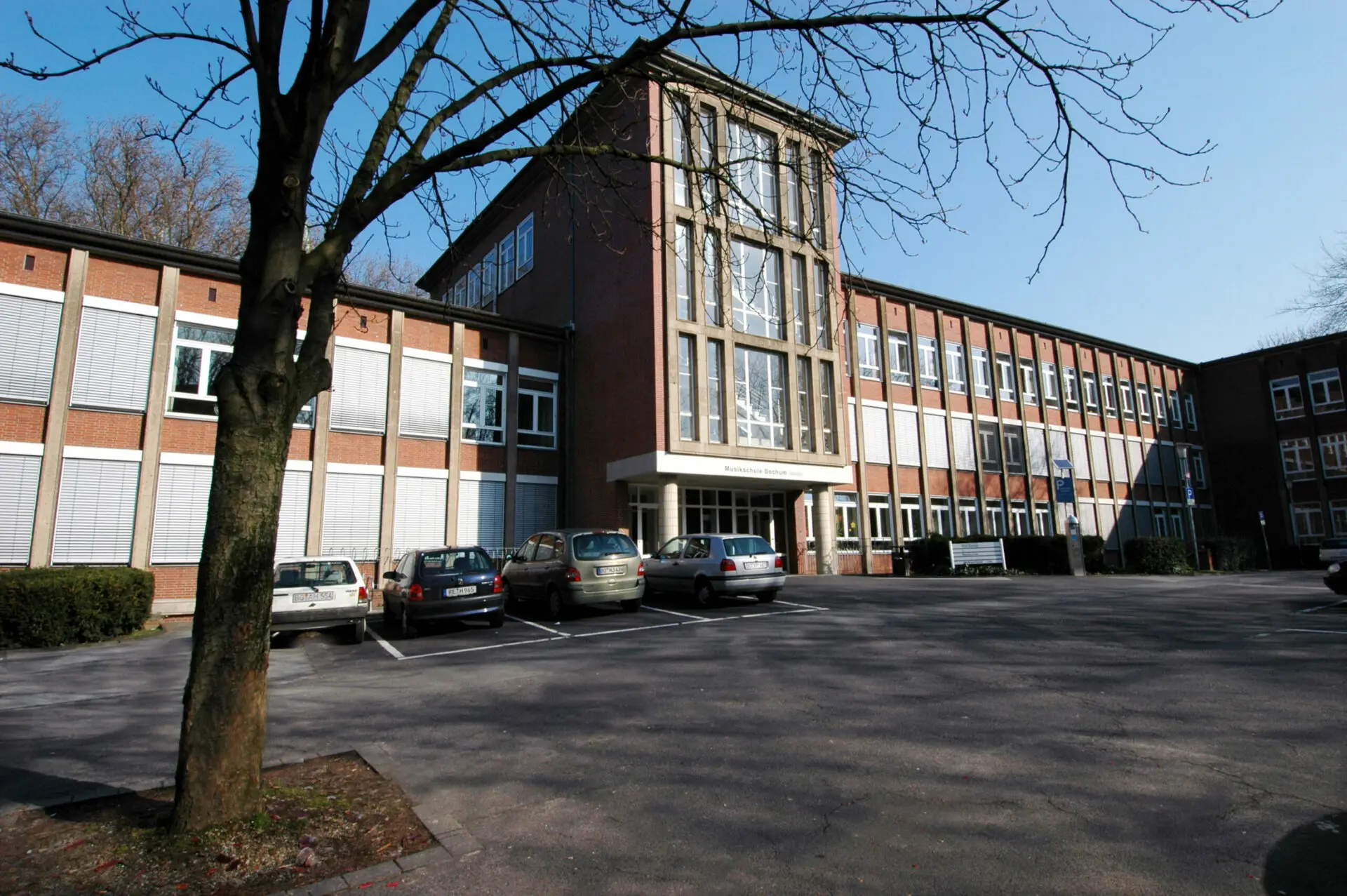
In Spring 2024, the IKMW conducted a comprehensive study on Germany’s largest music school in Bochum – the inventors of the JeKits (Every Child an Instrument or Dance) program. The aim was to determine whether in accordance with the Music School’s self-image and mission it could win over the Society of Bochum in all its diversity for the music school’s offerings, how the music school’s offerings are rated by its users, and what image the music school creates as a result. Questionnaires and group discussions were used to examine three target groups that were considered particularly relevant for anchoring music in a person’s life: parents of six months- to three-years-olds, elementary school students from grades 1 to 4 participating in the JeKits lessons, and young instrumental and singing students of theMusic School Bochum aged 14 to 18.

The results confirm the great effectiveness of the approach developed at the Bochum Music School under the name JeKits, which allows all primary school pupils in Bochum to take part in specific lessons in the 1st grade, conducted by teachers from the Music School together with primary school teachers – followed by voluntary instrumental or singing lessons from the 2nd to the 4th grade. In the 1st grade, all Bochum residents in this cohort are thus reached with a tailor-made musical education offer. But even in the voluntary instrumental or singing lessons in grades 2 to 4, the proportion of people with an immigrant  or non-academic background is higher than in the other user groups. At the same time, the evaluations of the work of the teachers are just as excellent as those of the Bochum Music School as a whole – across all three areas analysed.

Nevertheless challenges are also becoming clear: One desideratum is to get young people with an immigrant background and a non-academic background more interested in the music school after the offers in primary school. Starting points could be lessons on instruments from the cultures of origin, but also offers related to youth cultures such as hip hop or electronic music. In view of the success of the JeKits program, integration into the formal educational environment – the schools – would be the best way to really reach „everyone“ with these offers.

Visitor Experience in Times of Renovation

Audience Research for the Badisches Staatstheater Karlsruhe shows both Strengths and Challenges

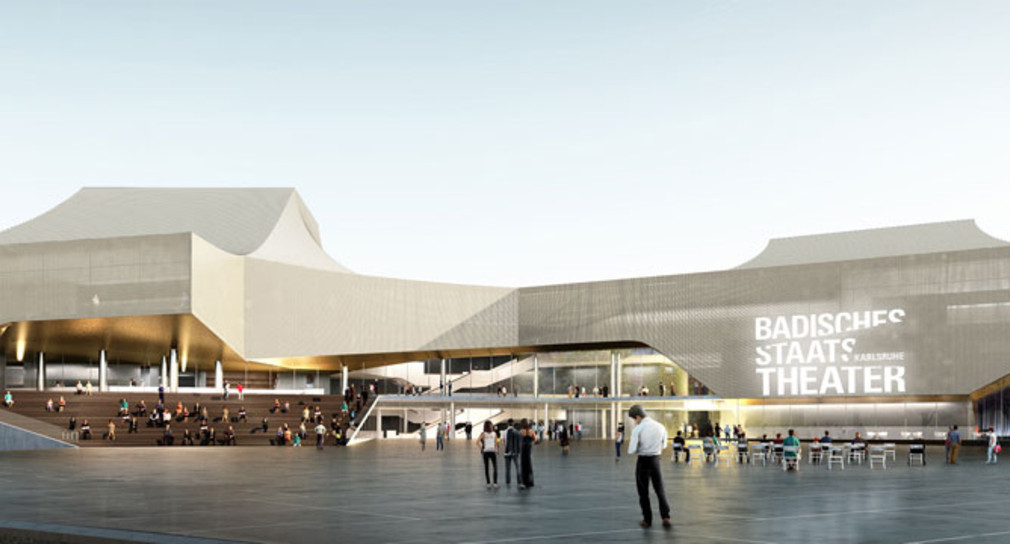
In May 2024, the Badisches Staatstheater Karlsruhe published the current audience study by the IKMW, the seventh in a long-term study that is unique in the German-speaking world since 2011. It combines results from the representative audience survey with 3,099 respondents (1,651 on site and 1,448 online) from May to July 2023 with in-depth findings from discussions with selected target groups that are particularly relevant for sustainable audience development: „inactive“ visitors whose last visits to the Badisches Staatstheater were more than a year ago, people with a migration background and representatives of schools and children’s and youth centers.

(Please find the study for download here.)

The results reflect trends across Germany as well as specific findings for the Badisches Staatstheater: The slightly increased proportion of people over 50 years of age (72.6%) shows the challenge of retaining younger people in the long term despite the pleasingly high proportion of first-time visitors (66.1% under 50).

The concert division shows one way to achieve this: Unlike in many other theaters, the Badisches Staatstheater succeeds in attracting an unusually large proportion of younger visitors (27.2% between 30 and 50) through the children’s, youth, special and jazz concerts that have been offered for a long time.

At the same time, the special care for subscribers during the CVID pandemic is paying off: An astonishing 34.8% of respondents stated that the visit on the evening of the survey was part of their subscription. Overall, however, the frequency of visits per respondent is decreasing, as is the national trend (8.3 % more than 12 visits in the last 12 months).

The challenge of decreasing visit frequencies is exacerbated by a fundamentally changed information and decision-making behavior, especially among inactive visitors and people with a migration background: cultural and leisure activities are increasingly being decided spontaneously within circles of friends and networks of „communities“. In the communication about this, increasingly purely via messengers such as WhatsApp or Telegram, more detailed information from providers such as the Badisches Staatstheater hardly appears anymore.

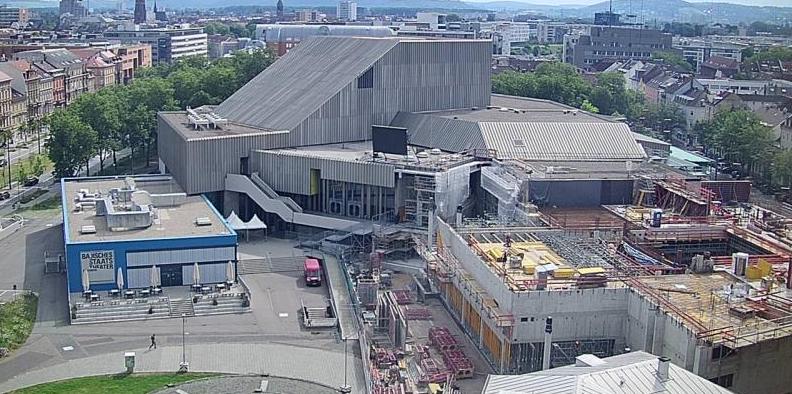
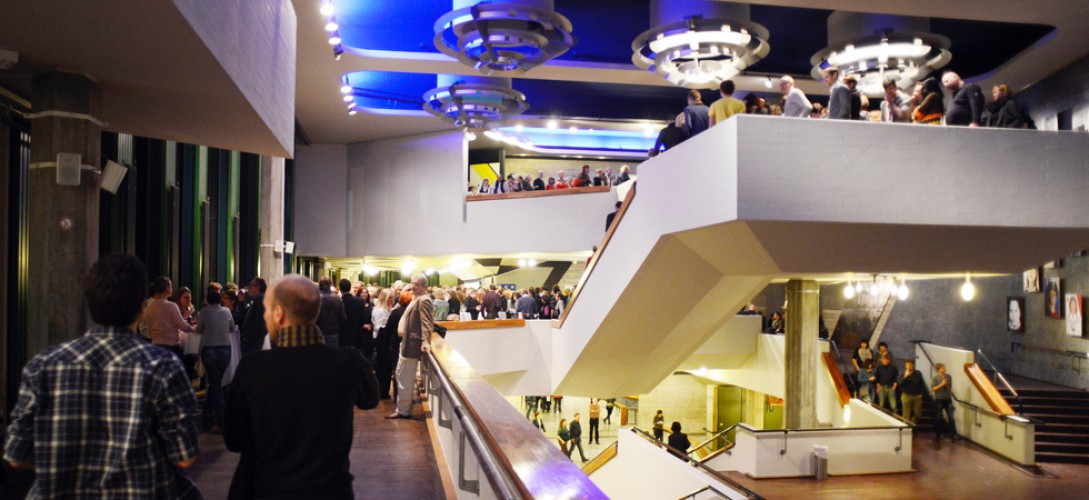
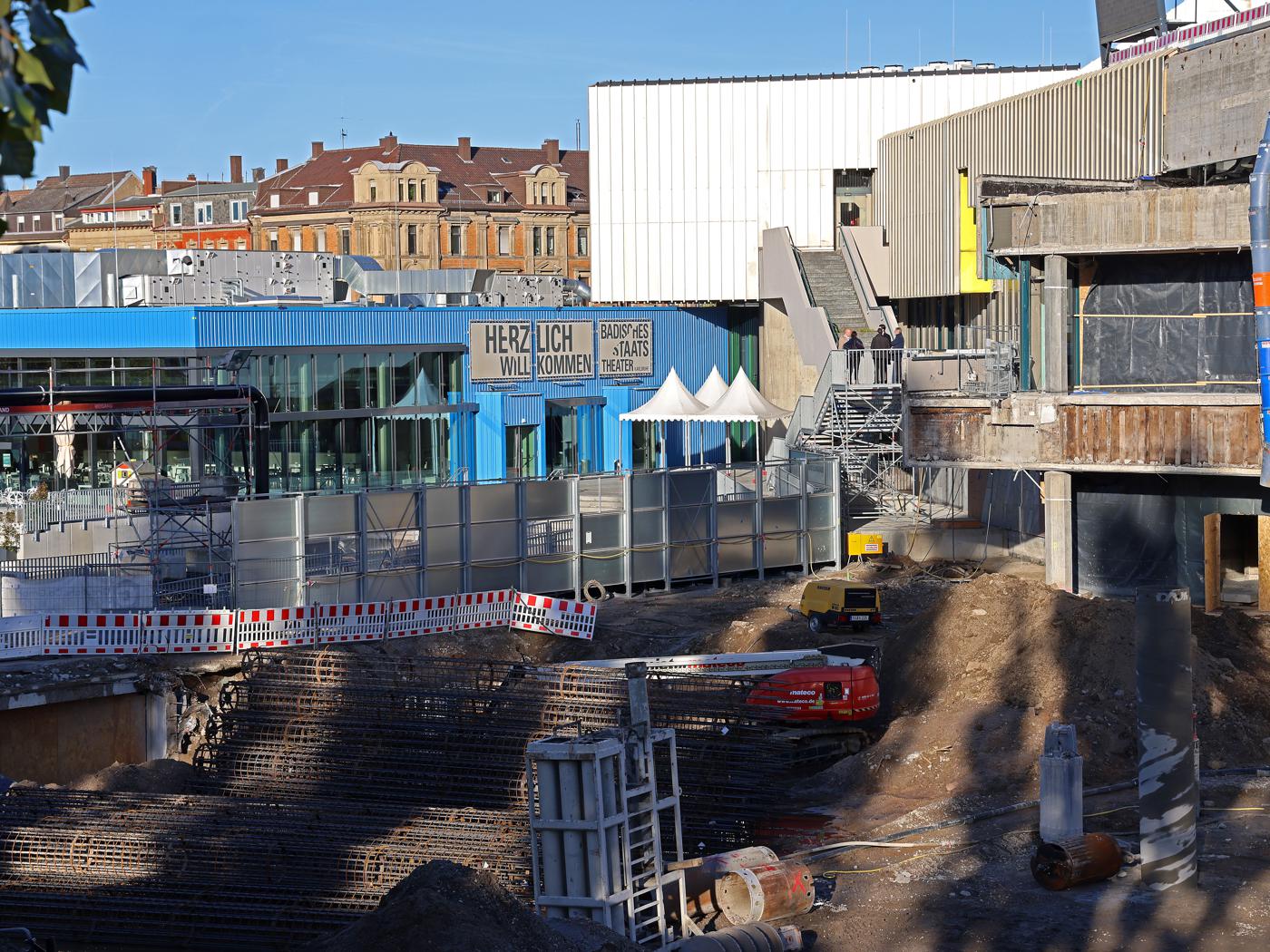
While communication and decisions are increasingly shifting to semi-private digital and hybrid spaces, there is also a strong need for an all-round fulfilling overall experience when visiting an institution such as the Badisches Staatstheater, for atmosphere and quality of stay, for spaces for „conviviality“ and community. Thus, with the lower satisfaction with the atmosphere in the wake of the construction work in the Badisches Staatstheater and criticisms regarding the catering, satisfaction with the house as a whole is also falling slightly.

At the same time, the study, shortly before Christian Firmbach’s directorship begins, also shows the solid anchoring of the house among its audience: Due to the largely stable satisfaction with the artistic offering and improved values ​​for some service areas, overall satisfaction remains at a satisfactory level despite the impairments caused by the renovation (90.0% are „satisfied“ or „very satisfied“).

Curtains shut? Curtains up!

Lecture at Conference of the Evangelische Akademie Loccum

For two days the conference „Vorhang zu?“ („Curtains shut?“) at the Evangelische Akademie Loccum convened representatives of theatres, scientists and journalists, discussing future perspectives and roles of theatres – with a specific focus on the situation in the state of Lower Saxony. (Find the conference’s agenda to download here: Vorhang zu_Agenda)

From the research and publications of the IKMW, Klaus Siebenhaar contributed central trend in composition, behaviour and expectations of theatre audiences – together with recommendations regarding the choice of target groups, programming policies, enhancing atmosphere and visitor’s experience as well as state-of-the-art communication with the post-pandemic public. (Find the slides for the lecture to download here: Vorhang auf_Loccum_24-01-16)

Theatre and Audience in Transition

Seventh Audience Survey for the Badisches Staatstheater Karlsruhe

From May to Oktober 2023 the IKMW realised the now seventh audience survey for the Badische Staatstheater Karlsruhe. The study is the latest part in a longitudinal research that is unique in German-speaking countries in its depth and continuity.

For the representative audience survey visitors could either fill in a print questionnaire distributed at the entrance to the theatre or answer the identical online version. In addition three target groups with specific relevance for the sustainable development of future audiences were analysed in depth with nine focus group discussions: „inactive“ visitors, whose last visit was more the one year ago, foreigners and persons with a migrant background as well as teacher from different types of school and representative of child and youth centres.

Results will be published by the Badisches Staatstheater in Spring 2024 and will document, whether the challenges to theatres identified in the recent study of IKMW for the Niedersächsische Staatstheater Hannover – the enduring abstinence of many visitors after the cut caused by the COVID pandemic; the increasingly volatile and multi-optional decision-making about cultural and leisure activities and the communication and decision patterns of generations Y and Z that are more and more confined to the „closed“ worlds of messenger apps  – affected this other large German citiy and state theatre also.

In times of growing audience expectations regarding a welcoming, „feel-good“ atmosphere an additional focus will be on the impact of the construction activities within the large-scale restoration and restoration of the state theatre on visitor’s experience and satisfaction – as well as on measures that can be deduced for the time until the end of constructions in 2034.

City – Theatre – Public

Audience and Population Study for the Niedersächsische Staatstheater Hannover published

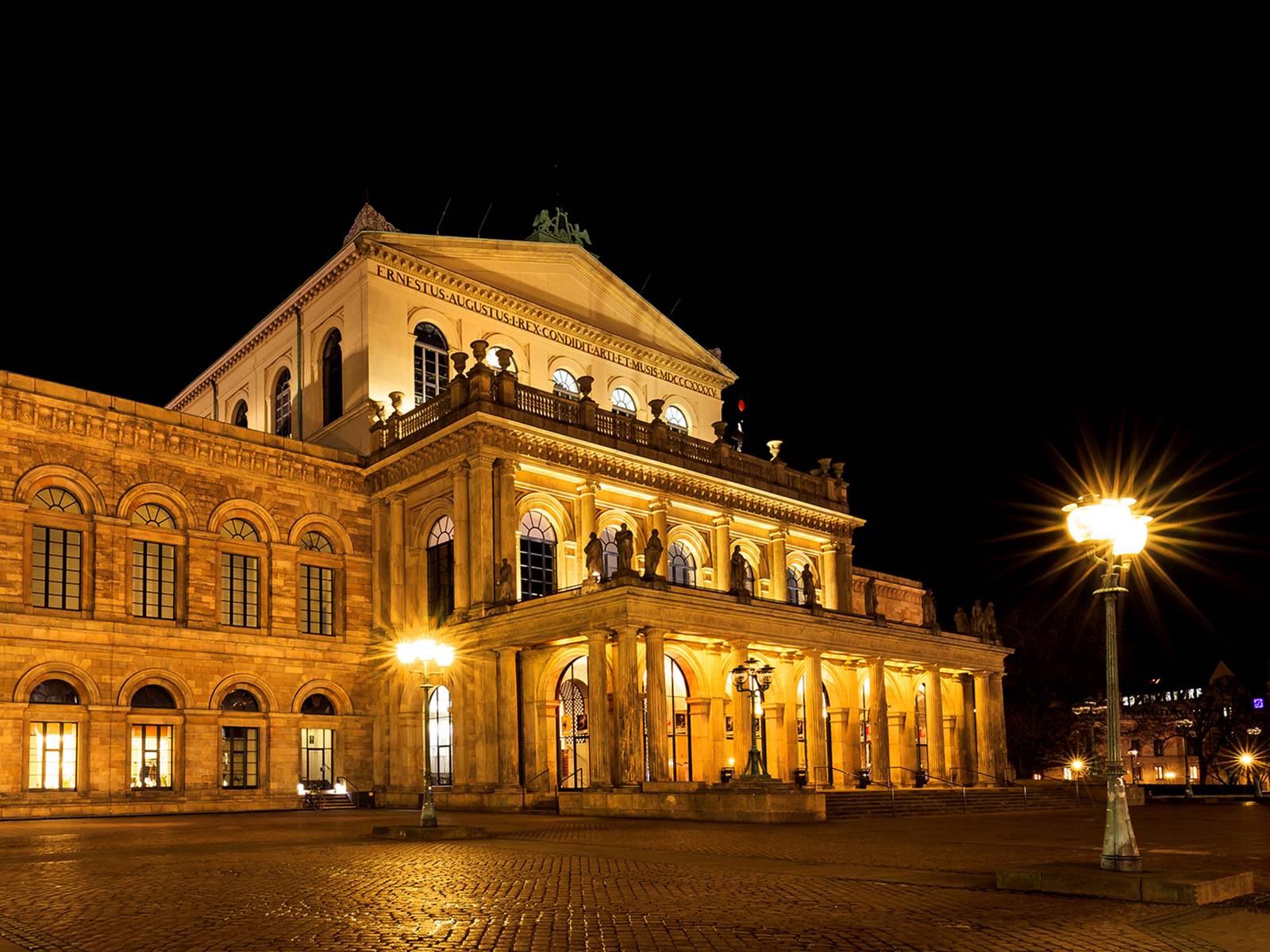
The Niedersächsische Staatstheater Hannover are one of the most long-standing and largest German Three-Genre-Theater houses, exemplary for artistic diversity and proximity to citizens. Not least because of this it has commissioned this study that is now available as a book.

It is the first comprehensive post-pandemic research, including both the general population and the audience encountered in the performances. It gives insight into the theatre audience’s socio-demographic profiles, residencies and motivations, but also into new orientations or preferences of former visitors.

Beyond the example of the Niedersächsische Staatstheater the research conveys valuable general data-based and contextualized findings for regaining inactive are newly acquiring abstinent target groups.

At the Niedersächsischen Staatstheater Hannover the IKMW together with several departments have already begun to develop concrete measures from the research, to prepare and accompany their implementation. The results are now at hand, the work in the theatres can begin.

The book is available at B&S Siebenhaar Verlag+Medien:

Achim Müller und Klaus Siebenhar:
Stadt – Theater – Publikum
Publikums- und Bevölkerungsstudie 2023
Niedersächsische Staatstheater Hannover

B&S SIEBENHAAR VERLAG + MEDIEN OHG
www.siebenhaar-verlag.de
ISBN: 978-3-949111-15-0
25,00 Euro | 34,80 CHF

„Bürger-Stimmen“ – „People’s Voices“

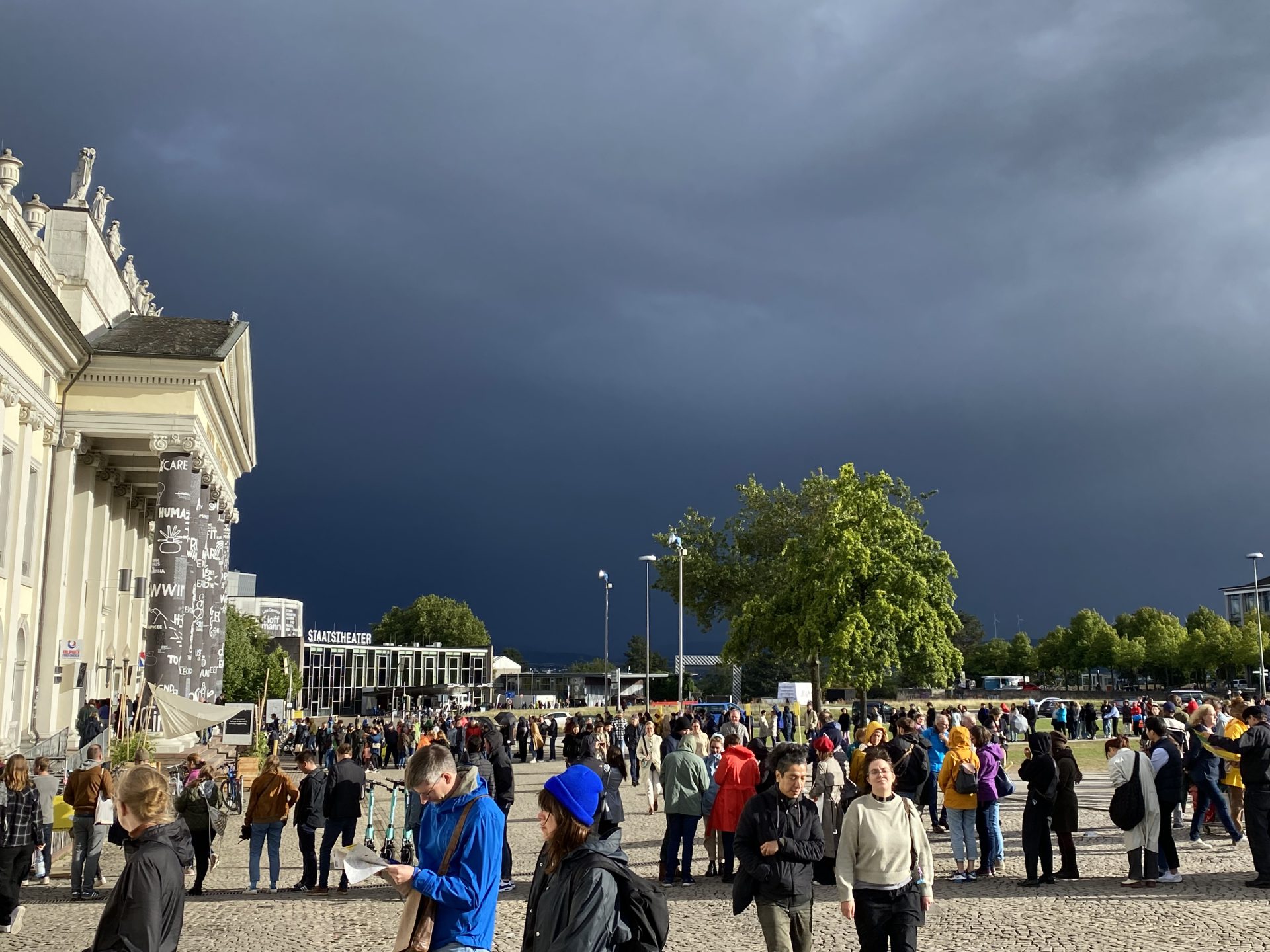
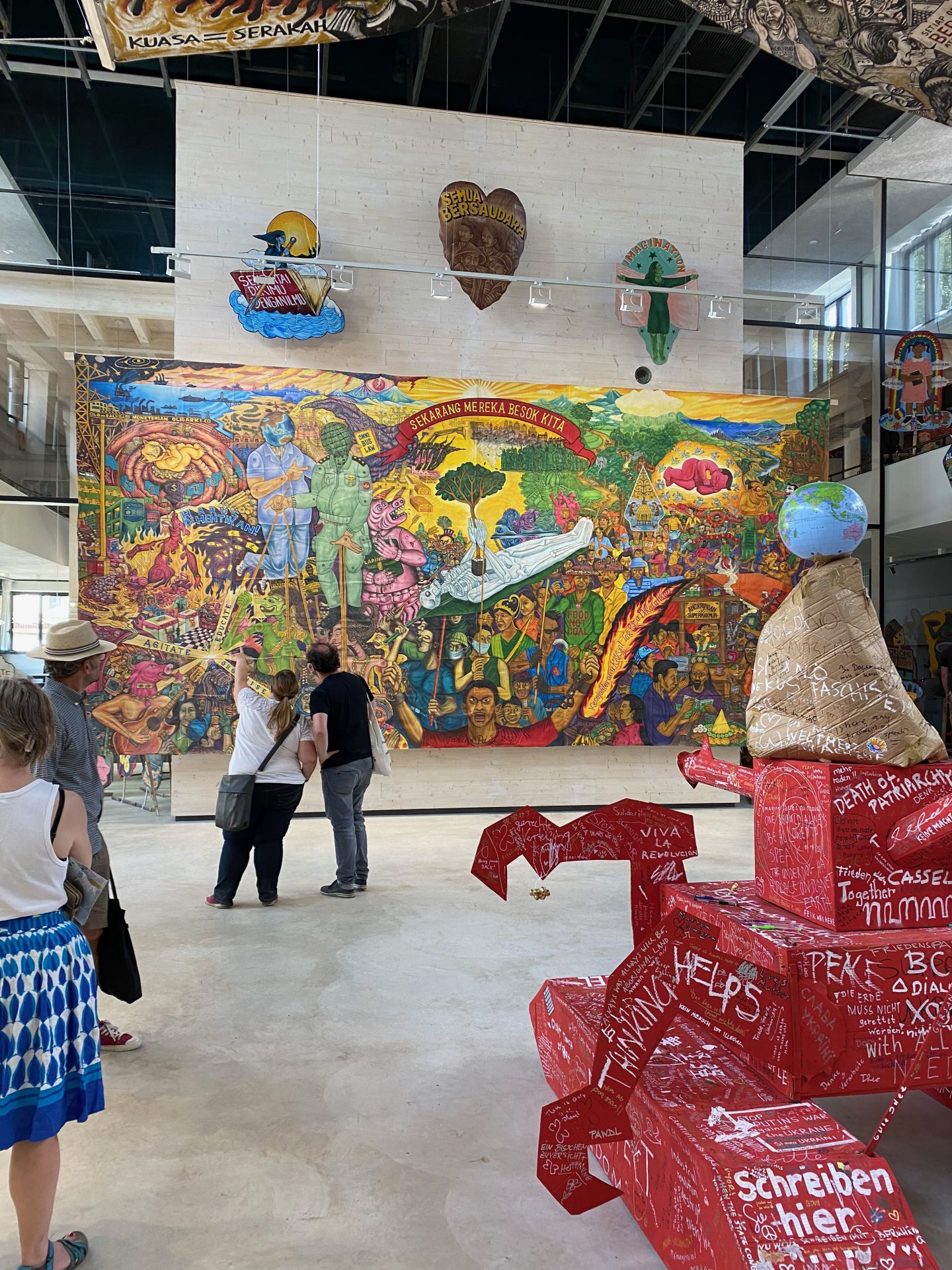
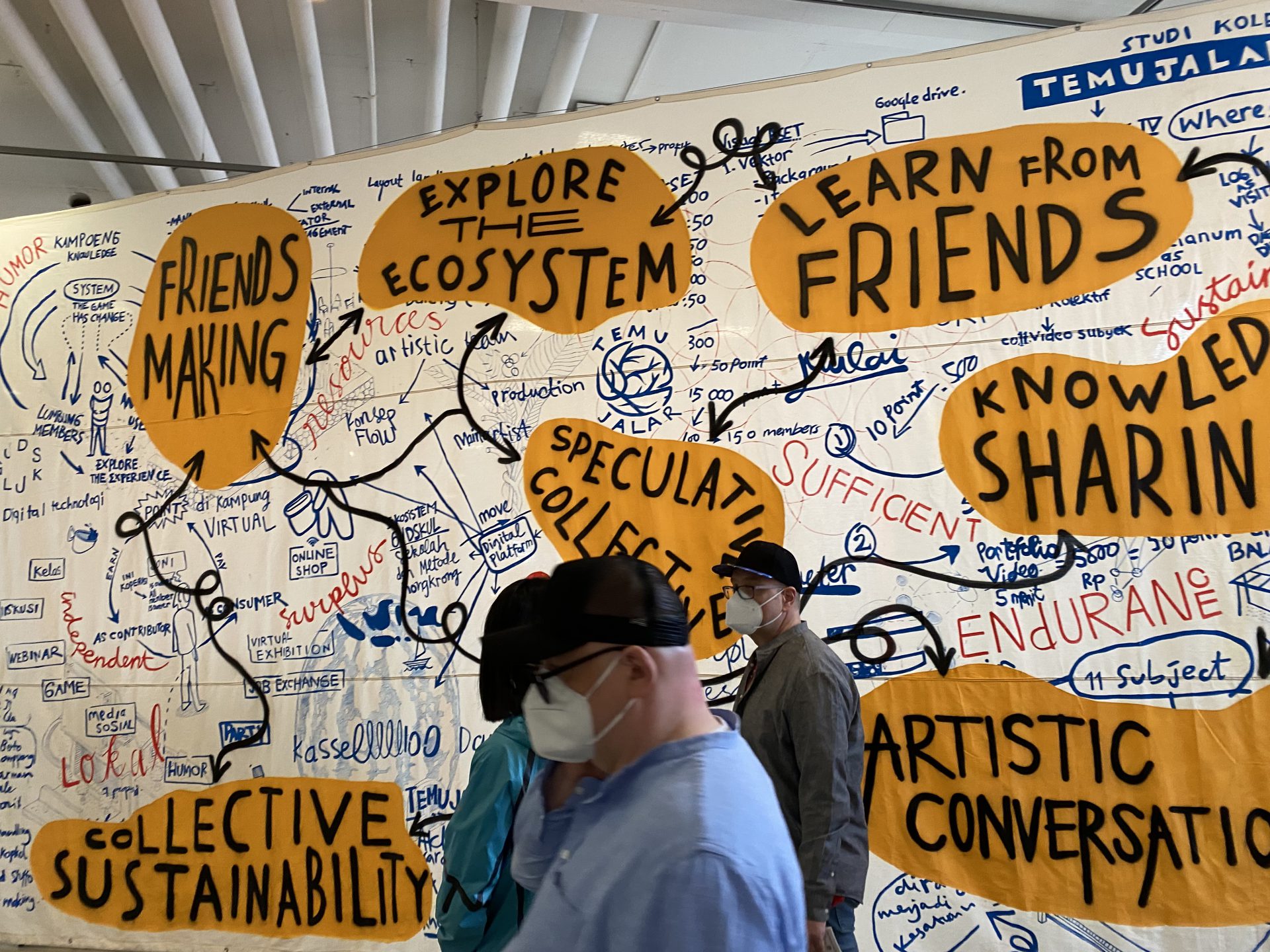
Like few other art event the documenta fifteen is dividing the public: A very critical, sometimes scandal-evoking media public is facing a public of visitors „on site“ in Kassel that is rather characterised by curiosity, openness and an exploratory mindset.

Commissioned and supported by the „Bürgerbündnis documenta fifteen“ (Citizens‘ Alliance documenta fifteen), this setup was incentive enough for the IKMW to give the visitors‘ and citizens‘ voices a possibility to express themselves through interviews, reports and essayistic text on a curated website.  In the course of the last weeks of documenta and in the months to come they will for the first time grow into a work-in.progress „citizens‘ book.